
Last updated November 25, 2026
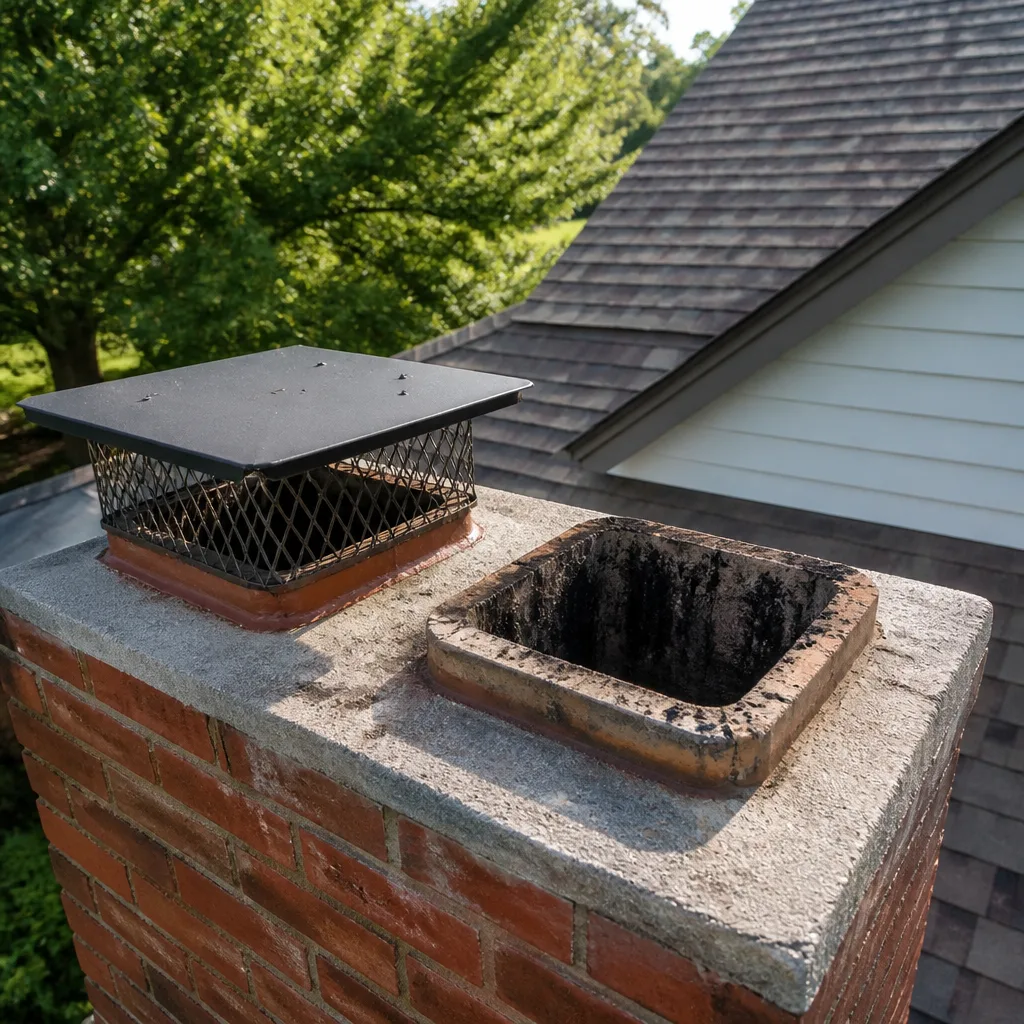 Sweep & inspection
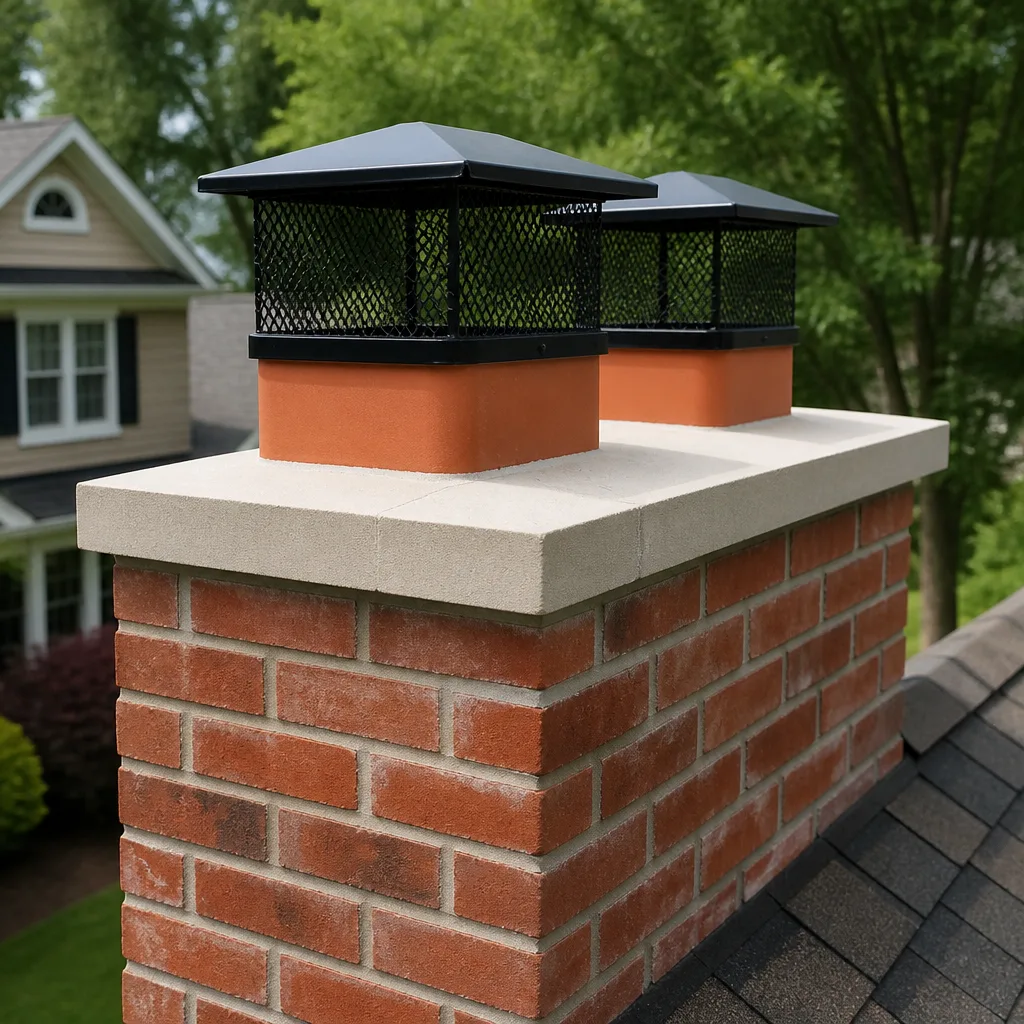 Caps & crowns
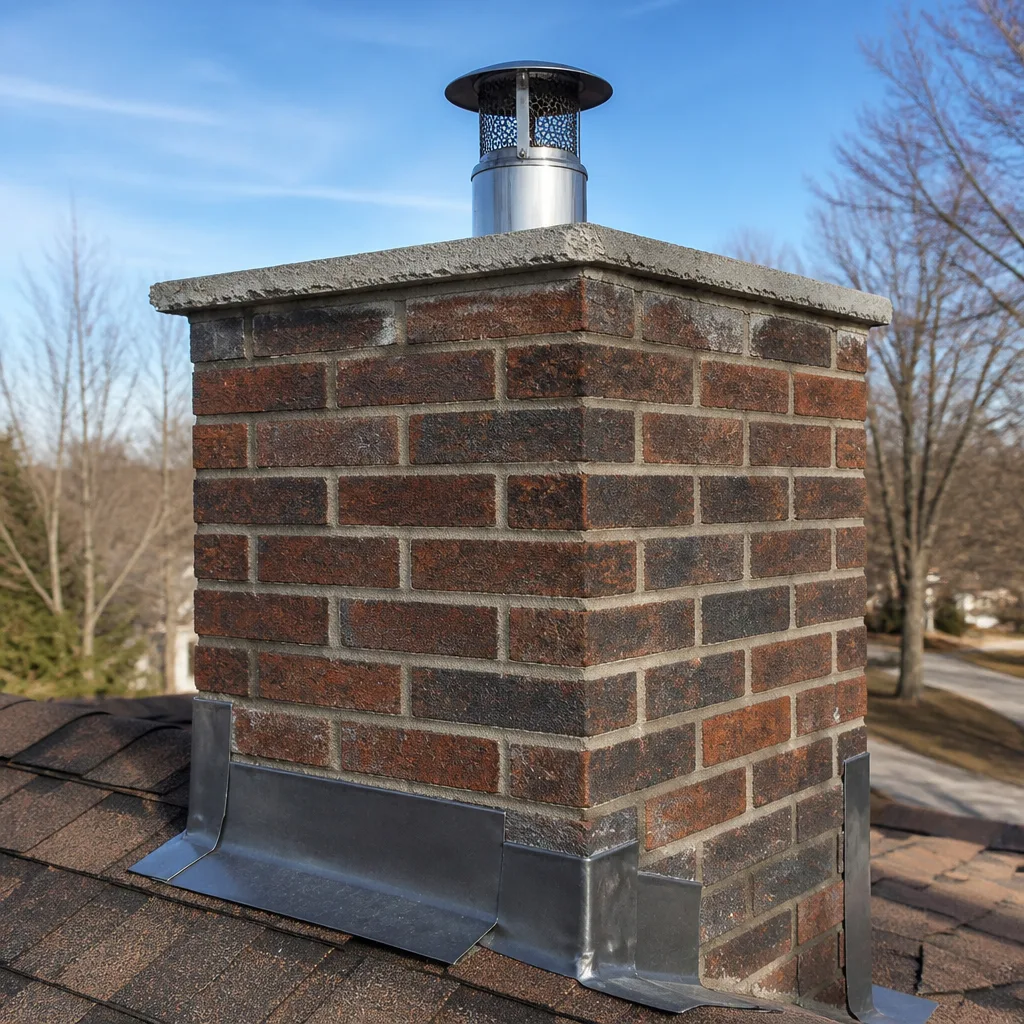 Flue relining
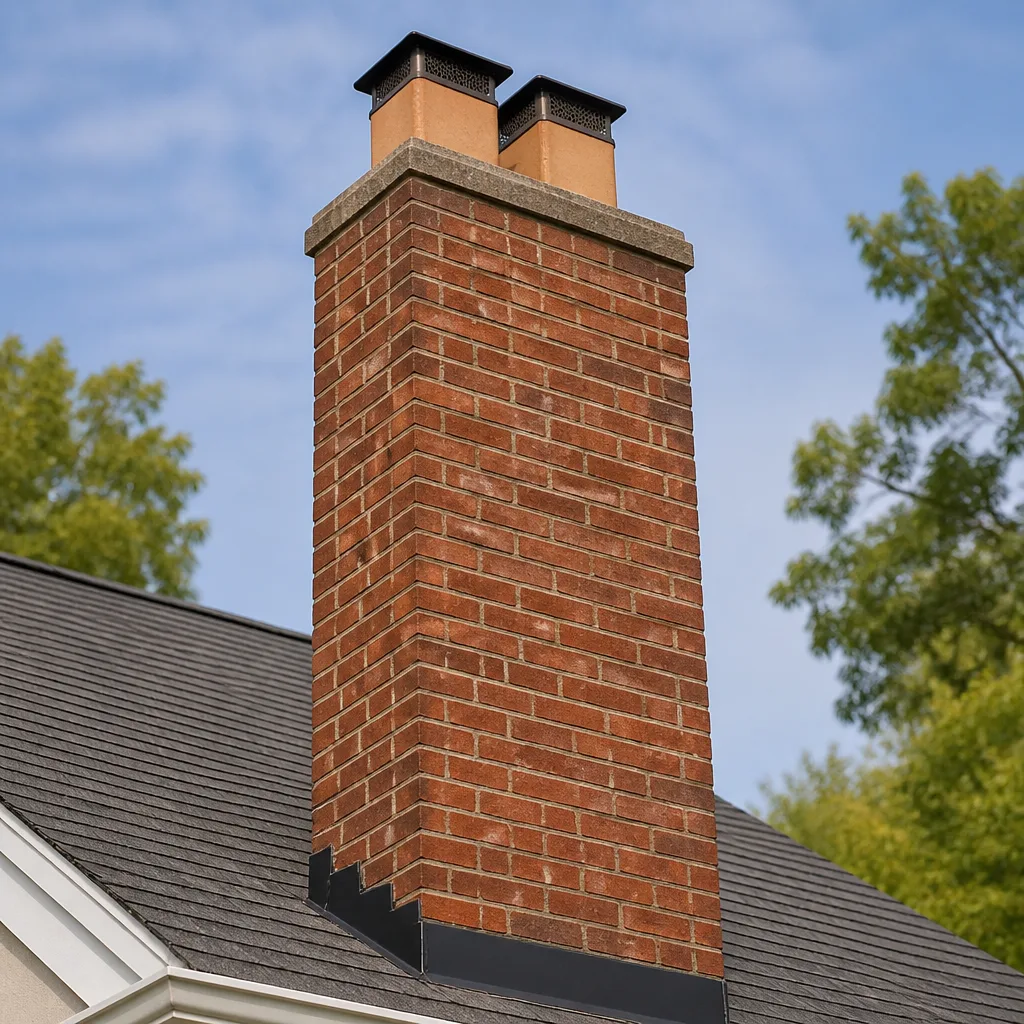 Masonry repair
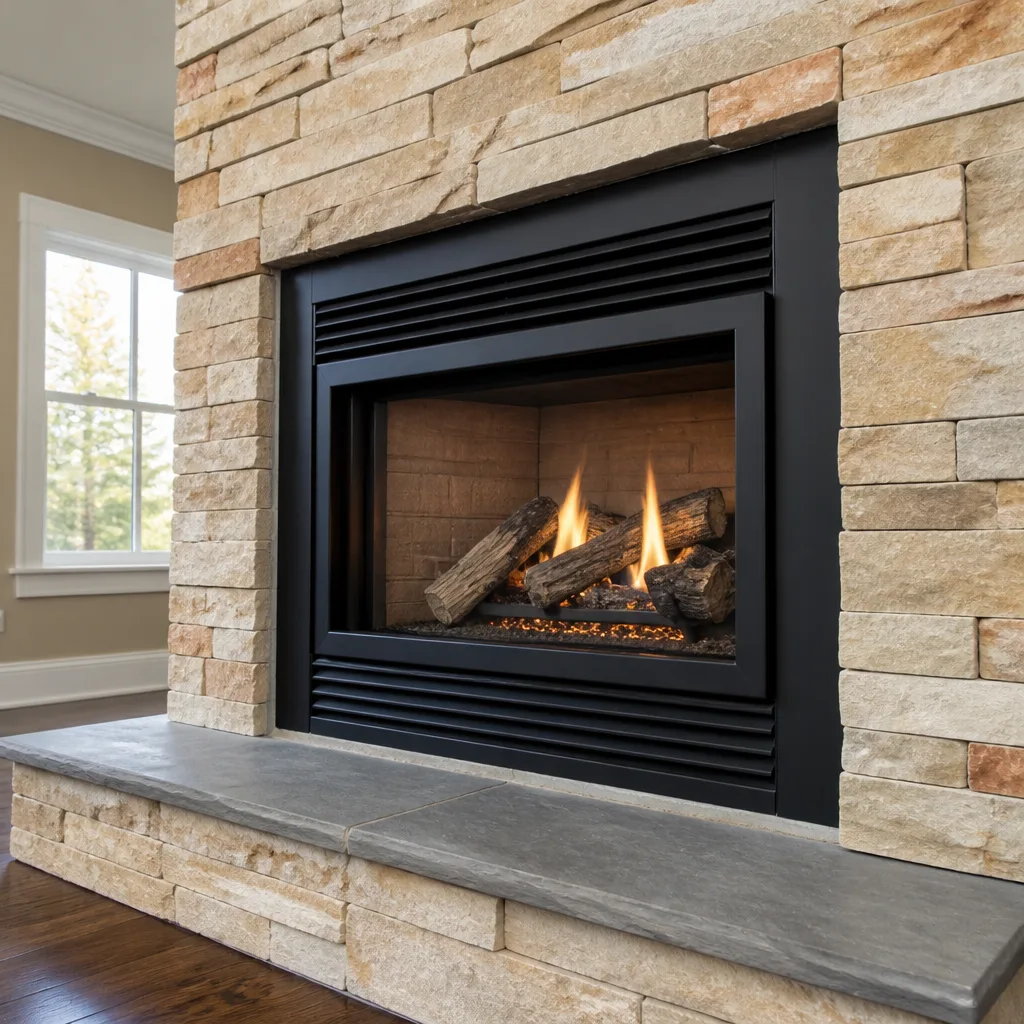 Gas fireplace service
Level 1 sweep and inspection to the NFPA 211 annual standard - flue, crown, cap, and flashing checked and photographed
Chimney sweep logs do not sweep chimneys. They loosen some creosote - which then falls where a brush and vacuum still have to collect it.
The Complete Guide to Chimney Cleaning in Anaheim Colony
Here’s something that surprises a lot of homeowners: a fireplace used only a handful of times each winter can build up a more dangerous layer of creosote than one burned hard all season long. That’s the pattern we see across Anaheim Colony, where mild winters mean fires get lit for a few evenings around the holidays and then sit cold for months. Light, occasional use produces a different kind of risk than heavy use, and it’s the kind most sweep-only guides never explain. This guide walks through what chimney cleaning in Anaheim Colony really involves, what a proper sweep catches, the local debris you won’t read about elsewhere, and how to read the report you get afterward. By the end you’ll know exactly what to ask for before you light the first fire of the season.
Quick Answer
A proper chimney cleaning in Anaheim Colony means a full mechanical sweep of the flue, a firebox and smoke-chamber cleaning, a cap and crown check, and a visual (or camera) inspection to grade the creosote and confirm the flue liner is intact. For most homes here it should be done once a year regardless of how often you burn, because low-use chimneys still accumulate glazed creosote, palm debris, and nesting material. A sweep that only runs a brush up the flue and leaves is not a complete job.
Styles & brands we work with
- Sweep & inspection
- Caps & crowns
- Flue relining
- Masonry repair
- Gas fireplace service
Table of Contents
- Why Low-Use Chimneys in Anaheim Colony Still Need Cleaning
- The Debris Anaheim Colony Chimneys Actually Collect
- What a Full-Service Cleaning Includes vs. a Budget Sweep
- The Cleaning Process, Step by Step
- How to Read a Sweeping Report and Confirm the Work
- When Cleaning Alone Isn’t Enough: Inspection and Repair
- How Often to Schedule Cleaning
- What Chimney Cleaning Costs in Anaheim Colony
Why Low-Use Chimneys in Anaheim Colony Still Need Cleaning
Southern California’s mild climate creates a creosote problem most chimney guides get backwards. The assumption is that a fireplace used six times a year poses little risk compared to one burned daily in a cold climate. In practice, the opposite is often true. Occasional fires burn cooler, and cooler fires mean incomplete combustion. Incomplete combustion leaves behind more of the unburned material that forms creosote, including the hard, shiny, glazed type that’s the hardest to remove and the most fire-prone.
Cold-climate fireplaces burning hot and often tend to produce drier, flakier creosote that a brush knocks out cleanly. A fireplace in Anaheim Colony that gets lit for a few evenings in December and then sits dark for nine months is a different animal. Here’s what happens:
- Cooler flue temperatures. Short, infrequent fires don’t heat the flue thoroughly, so smoke condenses on the walls before it can exit. That condensation is the seed of glazed creosote.
- Long idle periods. Months of inactivity let creosote harden into a glaze that a standard brush won’t touch. It also gives pests, birds, and windblown debris time to settle in.
- Seasonal fuel changes. Wood that’s been stacked since last winter and left out through warm months can pick up moisture. Damp wood burns cooler and dirtier.
- Newer installs rarely tested. Many Anaheim Colony homes have fireplaces used so lightly that the flue has never really been broken in, and small cracks or gaps haven’t surfaced yet.
That’s why “I barely use it” is not a reason to skip the annual sweep. In our experience, the fireplaces that surprise homeowners are the ones they thought were fine because they hardly touched them. A quick evaluation before the first fire, whether from a chimney sweep or a standalone inspection, is the cheapest insurance against a chimney fire you never saw coming.
The Debris Anaheim Colony Chimneys Actually Collect
Chimneys in Anaheim Colony collect a mix of material that a generic national guide won’t mention. The local landscape and climate shape what ends up on your flue cap, in your smoke chamber, and at the bottom of your firebox. If a sweep doesn’t know to look for these, they’ll miss them.
Palm frond material is the big one. The fibrous, stringy palm debris that blows around this part of Orange County is light enough to lift into a chimney cap or lodge on a crown, and once it packs against a spark arrestor it traps everything else behind it. Bird nesting sits right alongside it. Local birds find a warm chimney top an inviting place to build, and a nest in the flue is more than a nuisance: it blocks the draft, and if it catches it can burn.
Beyond the palm material and nests, expect:
- Dry leaf and seed litter from the surrounding trees, blown across the roof and into caps.
- Fine dust and soot from smog and everyday airborne grit, which settles on the flue walls and binds to creosote.
- Roof debris loosened by the occasional dry wind and heat, which collects on crowns and around the cap screen.
- Animal droppings and remains in flues that go unchecked through the long off-season.
- Ash and unburned wood that never got cleared out because the fireplace gets used so rarely.
A cap with a properly sized screen is the single best defense against the palm material and nesting problem, and it’s not something you should have to think about more than once. We install and check chimney caps and crowns as part of the same visit, using name-brand hardware, so you’re not chasing a separate contractor for a five-minute fix.
What a Full-Service Cleaning Includes vs. a Budget Sweep
A full-service cleaning is fundamentally different from what you get on a budget. The difference isn’t a matter of degree. A cheap, brush-only sweep covers a fraction of what a real job does, and it can leave the parts of the system most likely to fail unchecked.
We’re chimney specialists, not a general handyman outfit that sweeps on the side. That matters for one reason: a genuine full-scope job includes everything from the cap down to the firebox, and the person doing it has to understand every part of the system. Here’s a side-by-side of what the two kinds of service actually deliver.
- Full-service cleaning: top-down and bottom-up mechanical sweep; firebox and smoke chamber cleaned; damper checked and operated; creosote graded; cap, crown, and flue liner inspected; camera view of the flue where needed; written report with photos.
- Budget sweep: a brush run down from the roof, soot vacuumed from the firebox, and a verbal “it looks fine.” No grading, no cap or crown check, no liner assessment, no report.
That second list is the one that gets homeowners in trouble. A budget sweep can accidentally knock loose a chunk of glazed creosote or dislodge a cracked liner tile without anyone noticing, because there’s no inspection step. We’ve also seen cheap sweeps leave the smoke chamber, the sloped area above the damper, entirely untouched. It’s one of the toughest places to clean and the easiest to skip.
Our technicians have up to 10 years of experience in the trade, and the work we do uses recognized professional brands: DuraFlex flexible liner systems for replacement, HeatShield for liner resurfacing, and trusted hardware from Gelco and Copperfield. That combination is what separates a specialist sweep from a generic one.
The Cleaning Process, Step by Step
Knowing what a proper cleaning looks like from the inside out helps you judge whether the job on your roof is a real one. Here’s the sequence a thorough chimney cleaning follows, from the moment a technician sets up to the moment your report is in hand.
- Protect the room. Drop cloths go down, and a high-powered vacuum with a HEPA filter runs throughout to capture fine soot before it can drift into the room.
- Start at the top. From the roof, the technician removes the cap if it’s accessible, verifies the flue’s condition with a visual and a camera where useful, and begins the sweep with the proper brush for the flue’s shape and lining material.
- Sweep the full flue length. The brush travels the entire run from firebox to cap, dislodging soot and creosote so it can be vacuumed rather than left to fall into the firebox.
- Clean the firebox and smoke chamber. The firebox floor, walls, damper, and the sloped smoke chamber above the damper all get treated. This is where lazy sweeps cut corners.
- Grade the creosote. The technician notes the degree of buildup on a scale from light dust to glazed, and records it in the report.
- Inspect the liner, cap, and crown. Any cracks, gaps, or loose material get photographed. A camera inspection confirms liner condition from end to end.
- Write the report. The findings, photos, and recommendations go to you in writing, whether or not you have a repair need.
That last point matters. An inspection is worth having whether or not you need repairs, and we run it as a standalone service so you’re not being sold work just to justify a visit. Honest condition assessment is the whole point of the visit. If we recommend something, it comes with a photo you can read for yourself.
How to Read a Sweeping Report and Confirm the Work
A real sweeping report should answer three questions: what was cleaned, what condition it was found in, and what, if anything, needs attention. If yours just says “cleaned,” it’s not telling you what you paid for. Every report we write is built to stand on its own, so you can verify what happened and understand what to do next.
Here’s what to look for when you read the report back:
- Creosote grade. The report should state the degree of buildup, usually described as stage one (light, flaky), stage two (harder, crusted), or stage three (glazed and shiny). Stage three is the fire risk, and it’s the one a standard brush can’t remove on its own.
- Liner condition. The flue liner should be explicitly graded: intact, showing minor cracks, or deteriorated. If the report is silent on the liner, the inspection wasn’t complete.
- Cap and crown. Both should be noted: is the cap present, is the screen intact, and is the crown sound or cracking? A cracked crown is a water path into the chimney.
- Photos. Before-and-after photos of the flue and the firebox are standard, especially where a camera is used. If something’s flagged, ask to see the picture.
- Recommendations tied to evidence. Any repair suggestion should reference a specific photo or finding. “You need a new liner” without evidence is a red flag.
We include camera inspection and a photo report with our sweeps, and we’re happy to walk you through every frame. If nothing needs doing, we say so. If work can safely wait another season, we tell you that too. That’s the standard we hold to in Anaheim Colony, because a report you can’t verify is just a sales pitch.
When Cleaning Alone Isn’t Enough: Inspection and Repair
Sometimes a sweep turns up a problem that cleaning can’t solve. It’s not a scare tactic, it’s just what happens to a system that’s been through a lot of seasons. Knowing when the job crosses from cleaning into repair helps you prepare, and it helps you tell a genuine recommendation from an upsell.
Three things push a job past cleaning:
- Stage-three glazed creosote. A chemical treatment followed by another sweep can break glaze down, but if it’s severe the flue may need resurfacing or liner work.
- A deteriorated or cracked liner. This is the big one. A failing flue liner lets heat and gases reach the surrounding structure and, in the worst case, allows carbon monoxide to escape into the home. A liner assessment from a specialist, not a generalist, is what tells you whether it’s cracked or just dusty.
- Cracks in the crown or loose cap. A cap or crown that’s failed lets water and debris in. That’s a smaller repair than a liner, but it needs doing before the water does more damage.
Here’s where a chimney-only specialist earns their keep. Most of the bad liners we come across don’t need a full, expensive replacement. HeatShield liner resurfacing can restore a deteriorating flue in many cases, which is far less costly than tearing the whole system out. When a full replacement is the right call, DuraFlex flexible liners are a proven system. We work with these brands and others, including Olympia Chimney and Famco, because they hold up. And if the issue is really with the firebox or grate, our fireplace repair service handles that side of the system under the same roof, so you’re not tracking down a second contractor. Repairing the chimney cap & crown usually rounds out the visit.
How Often to Schedule Cleaning
For most Anaheim Colony homes, an annual sweep before the first fire of the season is the right schedule, regardless of how lightly the fireplace gets used. The “clean it every year” rule isn’t arbitrary. It exists because a flue you can’t see is a flue you can’t trust, and a year is long enough for enough debris, glazing, and nesting to build up that a sweep is worthwhile.
That said, a handful of factors can push the frequency up or down:
- Burn more, sweep more. A fireplace used heavily through the cooler months needs cleaning more often, sometimes twice a year if you go through cord after cord.
- Stage-three buildup. If a sweep finds glazed creosote, the next cleaning should come sooner while the problem is still manageable.
- Recent repair work. After a liner resurfacing or cap install, a follow-up inspection is a good idea to confirm everything is holding.
- New here, or new to the home. If you’ve just moved into an Anaheim Colony house, get the chimney swept and inspected before you light a fire, full stop. You have no idea what the previous owner did, or didn’t.
- Spring selling season. If you’re listing or buying, an inspection tied to closing gives everyone a clean, documented picture of the chimney’s condition.
Our rule of thumb: once a year for regular users, before the season for everybody. If it’s been more than a year, treat the next sweep as overdue.
What Chimney Cleaning Costs in Anaheim Colony
Chimney cleaning in Anaheim Colony typically costs $180 to $340 for a standard single-flue sweep with inspection, and a camera inspection run on its own generally falls in the $150 to $250 range. Liner work and repairs cost more, depending on the scope, and the written estimate sets the final price. Every estimate we give is free.
Here’s how the typical ranges break down for the most common jobs:
- Standard sweep with inspection: $180 to $340. A single flue, standard access, with a written report.
- Standalone inspection (no sweep): $150 to $250. Often chosen by buyers, sellers, and anyone wanting a condition check before the season.
- Cap and crown work: roughly $200 to $500, depending on the cap style and crown condition.
- HeatShield liner resurfacing: roughly $1,200 to $2,800, depending on flue size and condition. Less than full replacement in many cases.
- Full flexible liner replacement: roughly $2,500 to $5,000, depending on the height and configuration of the flue.
Those ranges reflect what we see in Anaheim Colony, but a few things move the number: the number of flues if you have more than one, how hard the flue is to access, how much creosote has to be removed, and whether any repair work is needed. We don’t quote a firm price over the phone beyond a range. We give the real number in writing, after we’ve looked at the flue. Call us and we’ll set up the estimate.
Common Mistakes to Avoid
- Skipping the sweep because you “barely use it.” Low use is exactly when cool, glazed creosote forms. The fireplace that gets lit a few times a year is the one to watch, not the one that’s burning all winter.
- Hiring a general handyman. Chimney work is a trade. A generalist sweeping your flue can miss the liner cracks, cap damage, and stage-three glaze that only a chimney specialist knows to look for.
- Trusting a “cleaned and inspected” claim with no report. If there’s no photo and no written condition assessment, the work is unverifiable. You’re paying for a used brush and a shrug.
- Letting the cap screen clog. Palm frond material and local leaf litter pack a spark arrestor fast in Anaheim Colony. A clogged screen chokes the draft and traps a fire hazard in the cap.
- Using damp or unseasoned wood. Wood stacked out through the warm, humid months down here doesn’t dry the way cold-climate firewood does. Wet wood burns cooler and dirtier, building creosote faster.
- No inspection before lighting the first fire of the season. A quick evaluation before you strike the first match is the cheapest way to avoid a carbon monoxide or chimney-fire surprise.
- Letting a home buyer skip the chimney inspection. A house you’re about to buy could have a liner that’s one crack away from a problem. Get it inspected, and get the report in writing.
See the difference
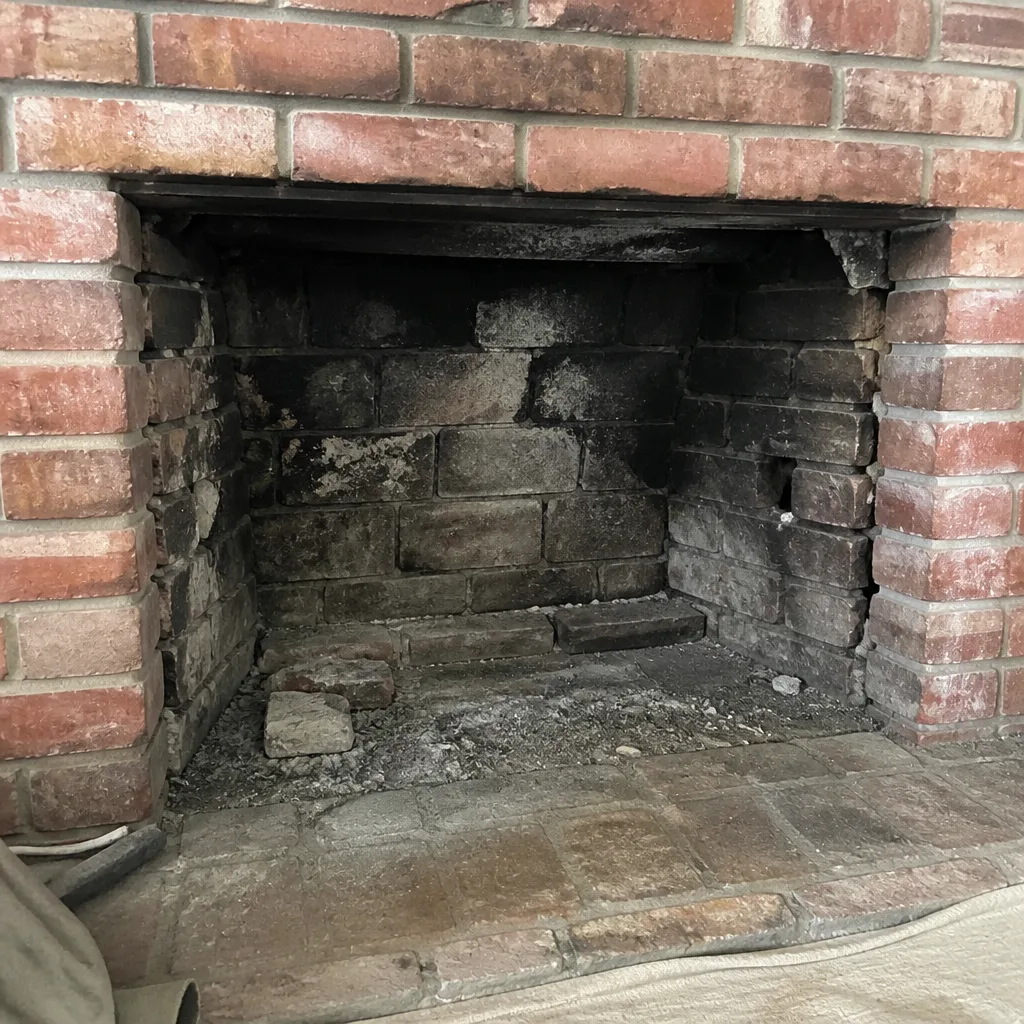 Before
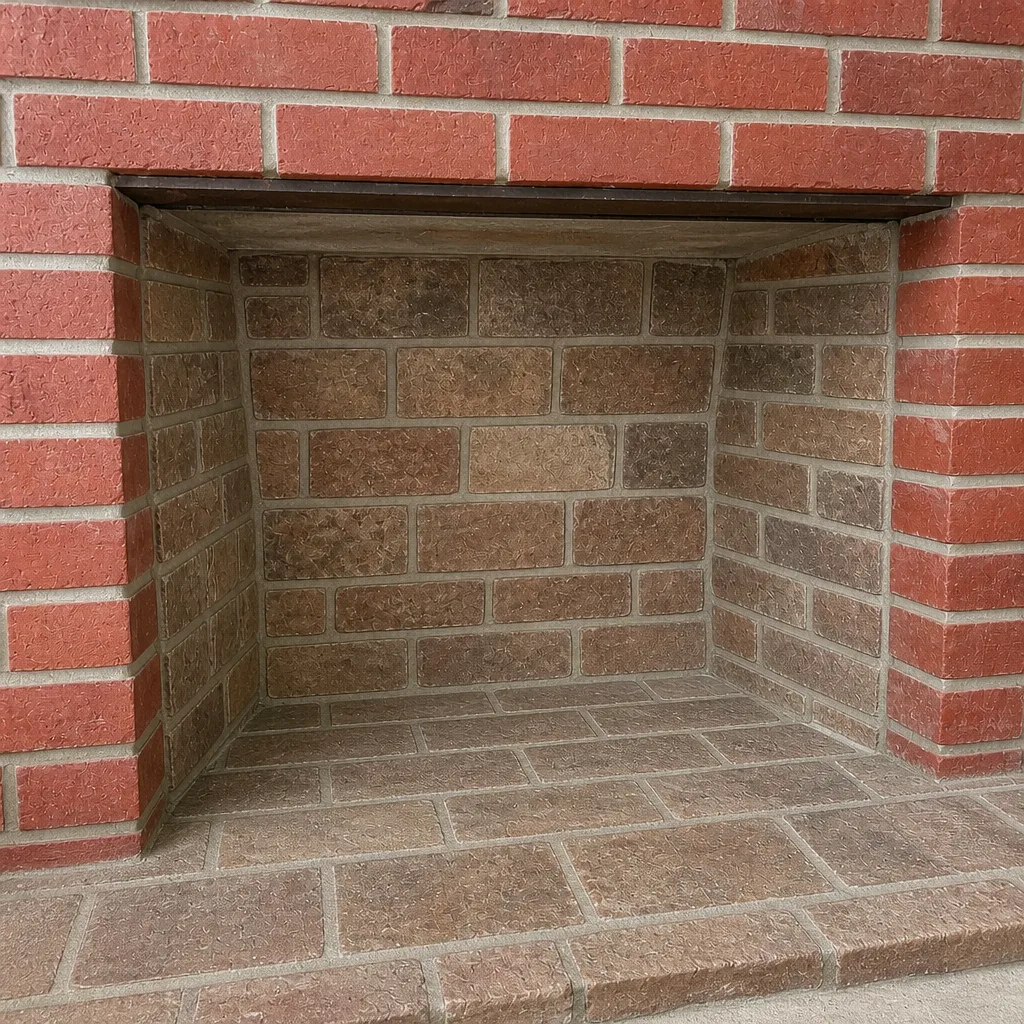 After
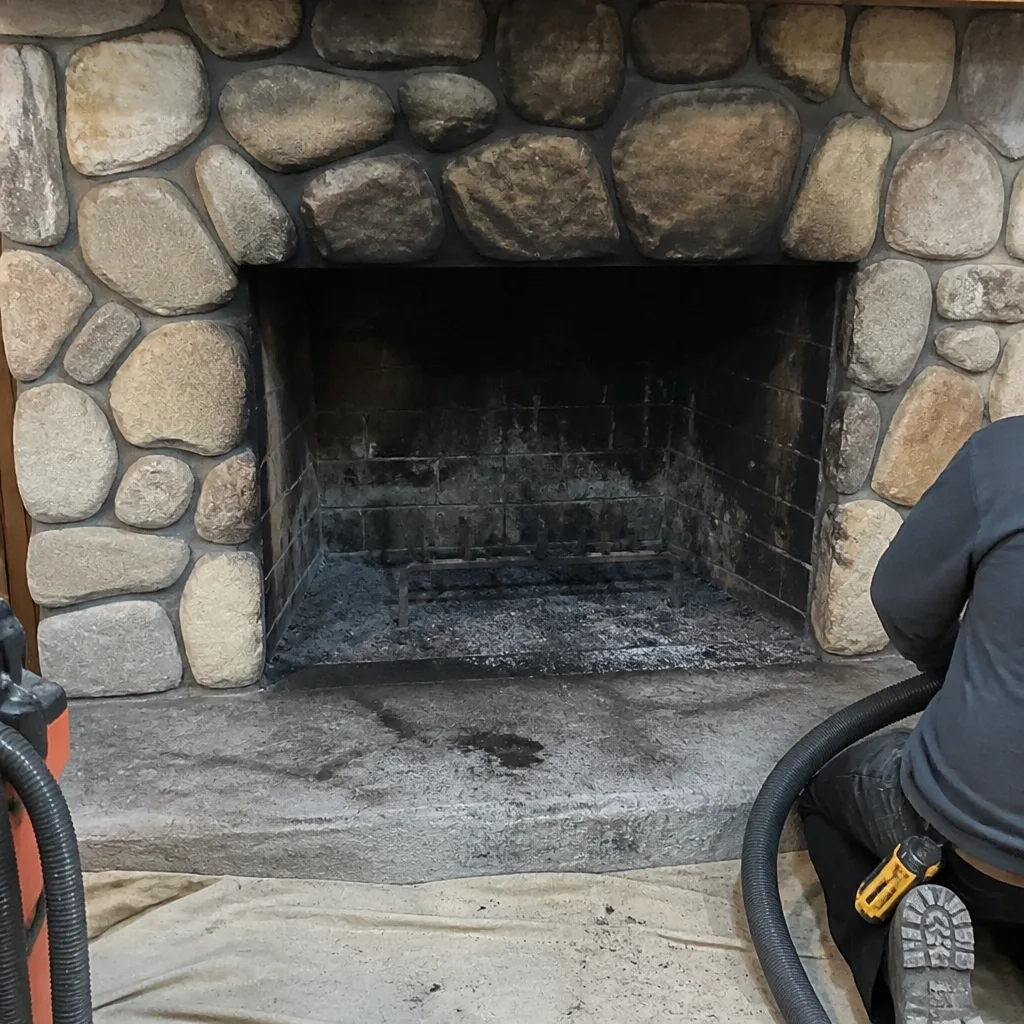 Before
 After
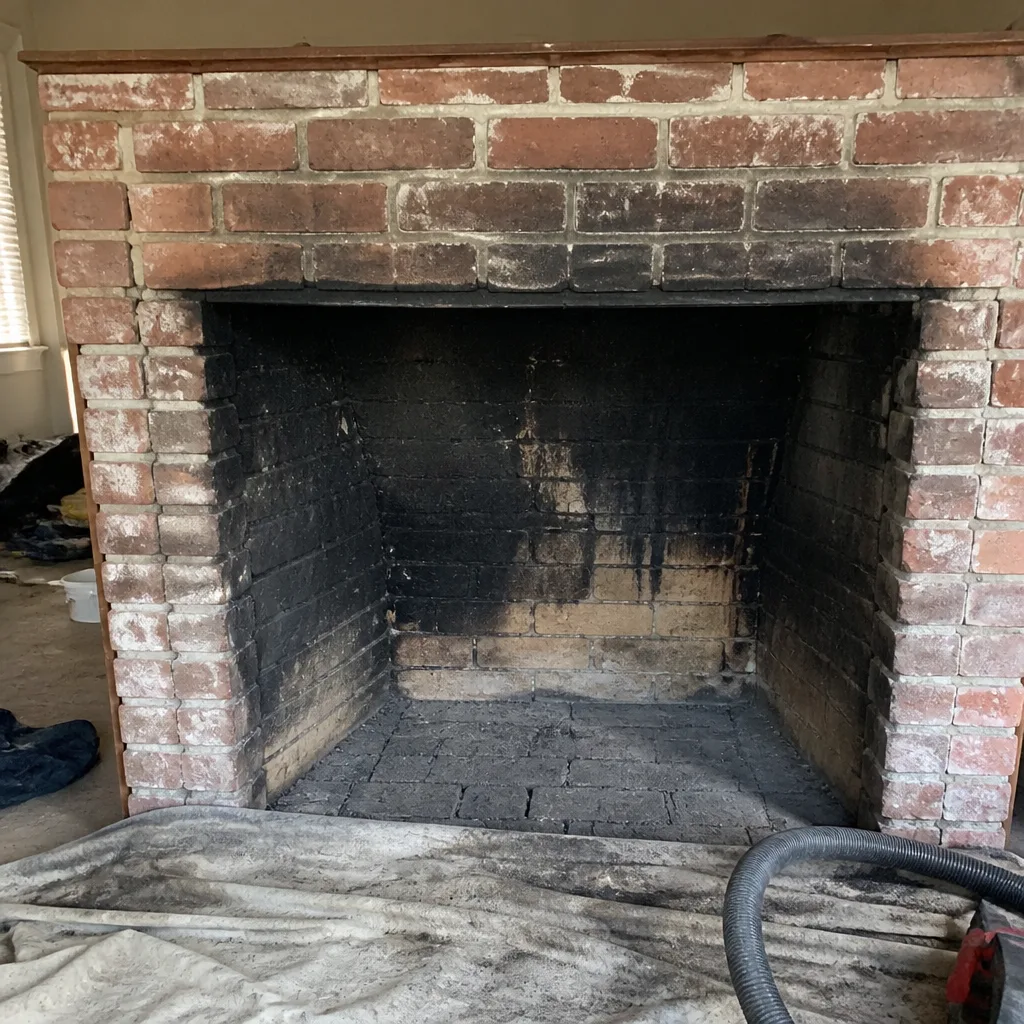 Before
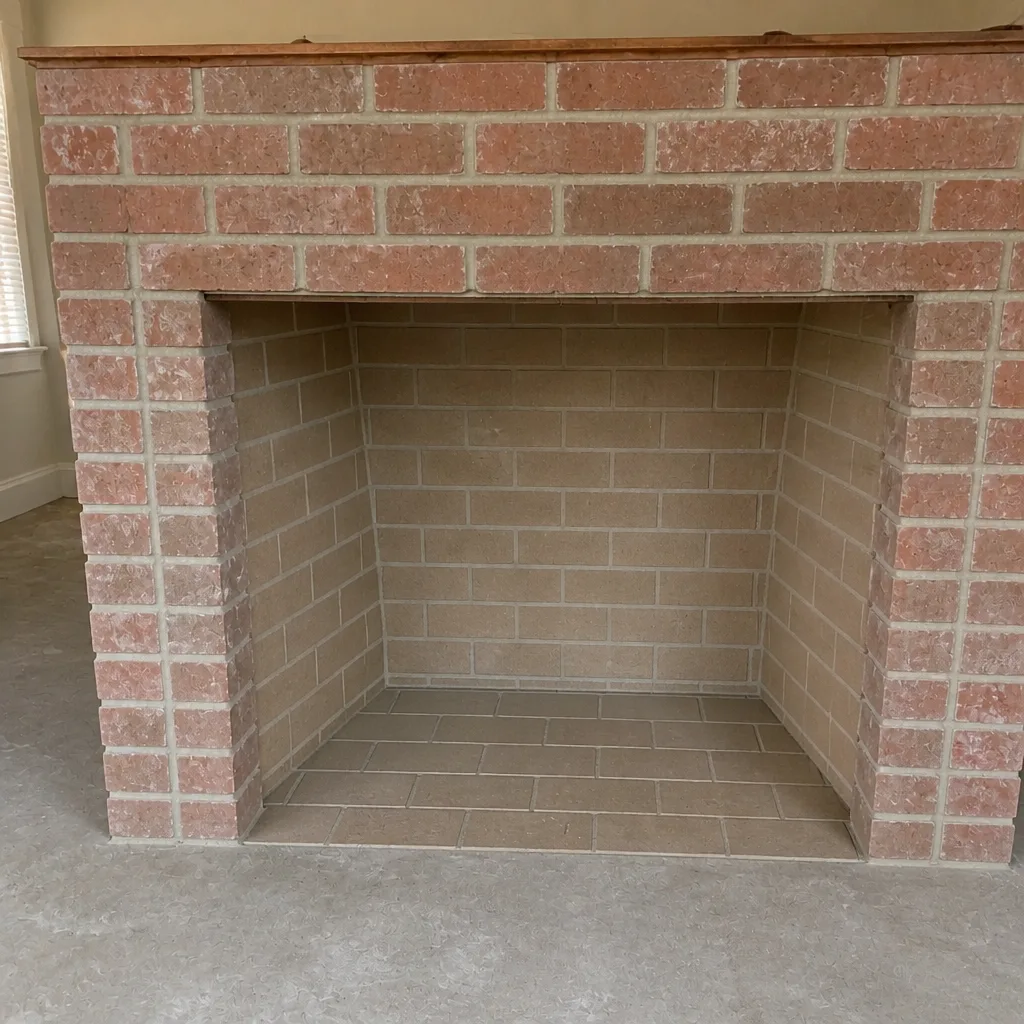 After
When to Call a Professional
Call a trained chimney professional when the flue hasn’t been swept in a year or more, when you’re lighting the first fire of the season and can’t remember the last time it was cleaned, or when you notice anything unusual: a strong creosote smell, a draft that won’t draw, a visible crack in the firebox, or a cap that looks off. Call sooner if you’ve had a chimney fire, even a small one, or if your carbon monoxide detector has gone off near the fireplace. Those are not jobs to sort out with a phone flashlight and a guess. A trained professional can grade the creosote, confirm the liner is intact, and tell you plainly whether the system is safe to use.
Chimney Sweep Anaheim Colony offers free estimates in Anaheim Colony. Call (833) 482-6032. We answer 24/7. Fast dispatch from 7am to 7pm, Sunday through Friday. Our technicians have up to 10 years of experience, and every estimate is written and free.
Frequently Asked Questions
Chimney cleaning in Anaheim Colony typically runs $180 to $340 for a standard single-flue sweep with inspection. The written estimate sets the final price. Call (833) 482-6032 for an exact quote. Estimates are free.
Not necessarily, and we won’t say you do without photo evidence you can see. A cracked or deteriorating flue liner is a genuine safety issue, because it’s what keeps heat and gases away from the structure and out of your living space. But many bad liners can be restored with HeatShield resurfacing instead of full replacement. We show you the camera image and explain what each option costs and how long it lasts before you decide.
Once a year for most homes, and before the first fire of the season regardless of how often you burn. Lightly used fireplaces in Anaheim Colony still build glazed creosote, and a year is long enough to need a sweep. Heavy users may need a cleaning twice a year. Call (833) 482-6032 to schedule.
Nothing, until something happens. The risk is creosote that glazes into a fire hazard over months of low use, a liner that cracks without anyone noticing, and debris or a nest blocking the flue. Those problems surface as a chimney fire, carbon monoxide in the house, or a draft that won’t work, and all are cheaper to catch early. Call (833) 482-6032 and we’ll check before the season.
Yes. We include a photo report with every sweep and with every standalone inspection. You’ll see the flue before and after, the graded creosote level, and any findings on the liner, cap, or crown. If a repair is recommended, it comes with the photo that justifies it.
Yes, and low-use fireplaces are often the ones that need the most attention. Occasional fires burn cooler and leave behind harder, glazed creosote that standard brushes can’t remove. In Anaheim Colony’s mild climate, that low-burn pattern is the norm, so an annual check before the season is the rule. Call (833) 482-6032 to book it.
The Bottom Line
Chimney cleaning in Anaheim Colony is not a chore you can judge by eye. Low-use fireplaces carry a specific risk from glazed creosote, and the region’s palm debris and local nesting birds add a complication most generic guides miss. A proper cleaning covers the flue, firebox, smoke chamber, cap, and crown, and it ends with a report you can verify. That report is where repair recommendations earn their trust. A specialist can spot a liner that needs HeatShield resurfacing before it needs a full replacement, and can tell you honestly when the job can wait. Call (833) 482-6032 for a free estimate, before you light the first fire of the season.
Looking for the full range of what we handle? Start with Chimney Sweep Anaheim Colony for the complete service picture. Our technicians have up to 10 years of experience, and we’re chimney-only specialists, from the sweep to the repair. We answer 24/7. Fast dispatch from 7am to 7pm, Sunday through Friday.
Written by the team at Chimney Sweep Anaheim Colony.