
Last updated November 25, 2026
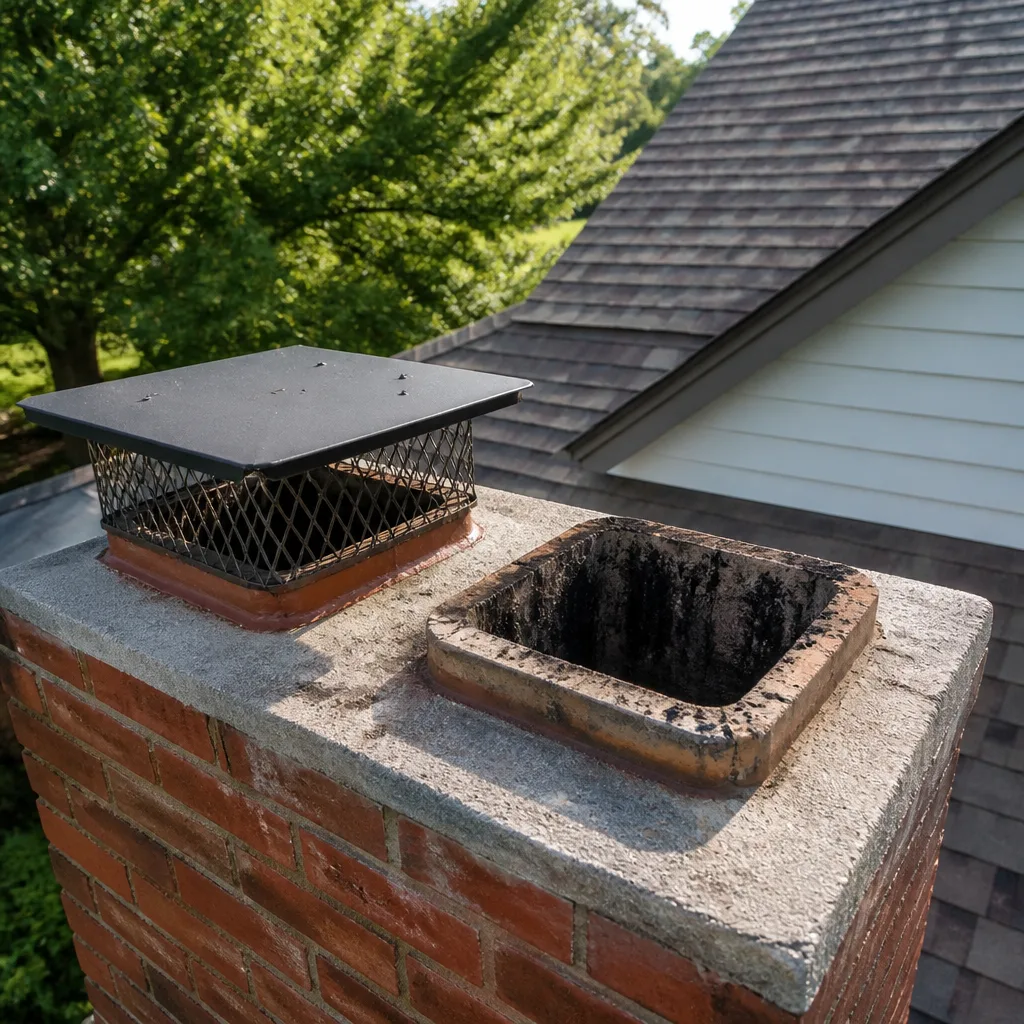 Sweep & inspection
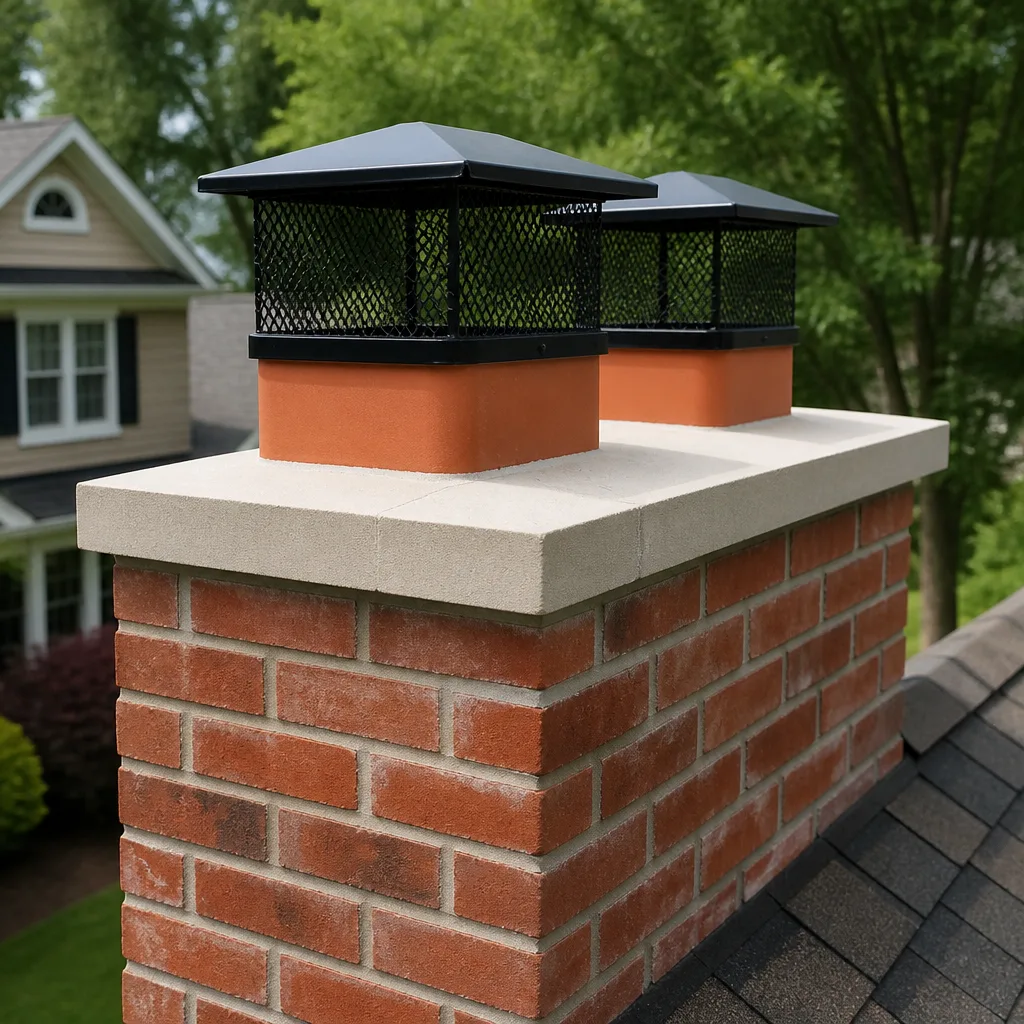 Caps & crowns
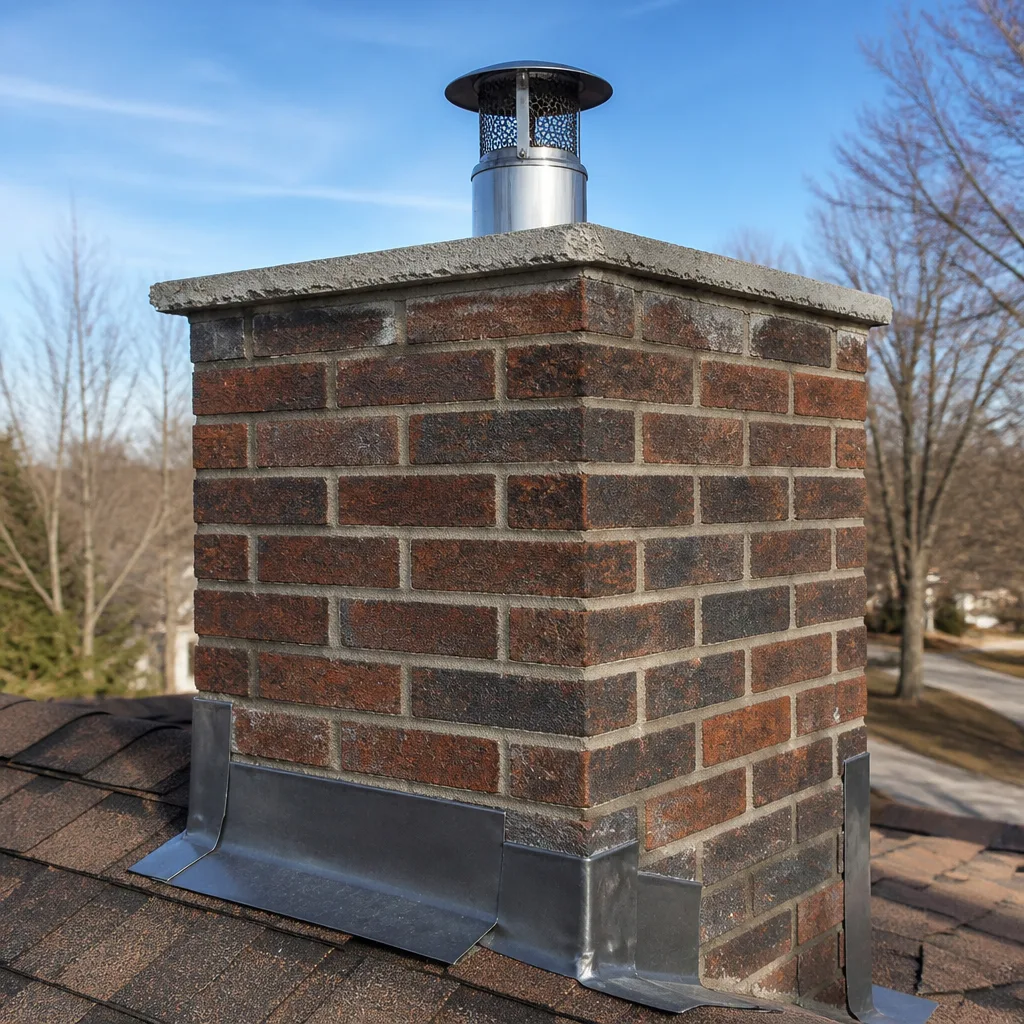 Flue relining
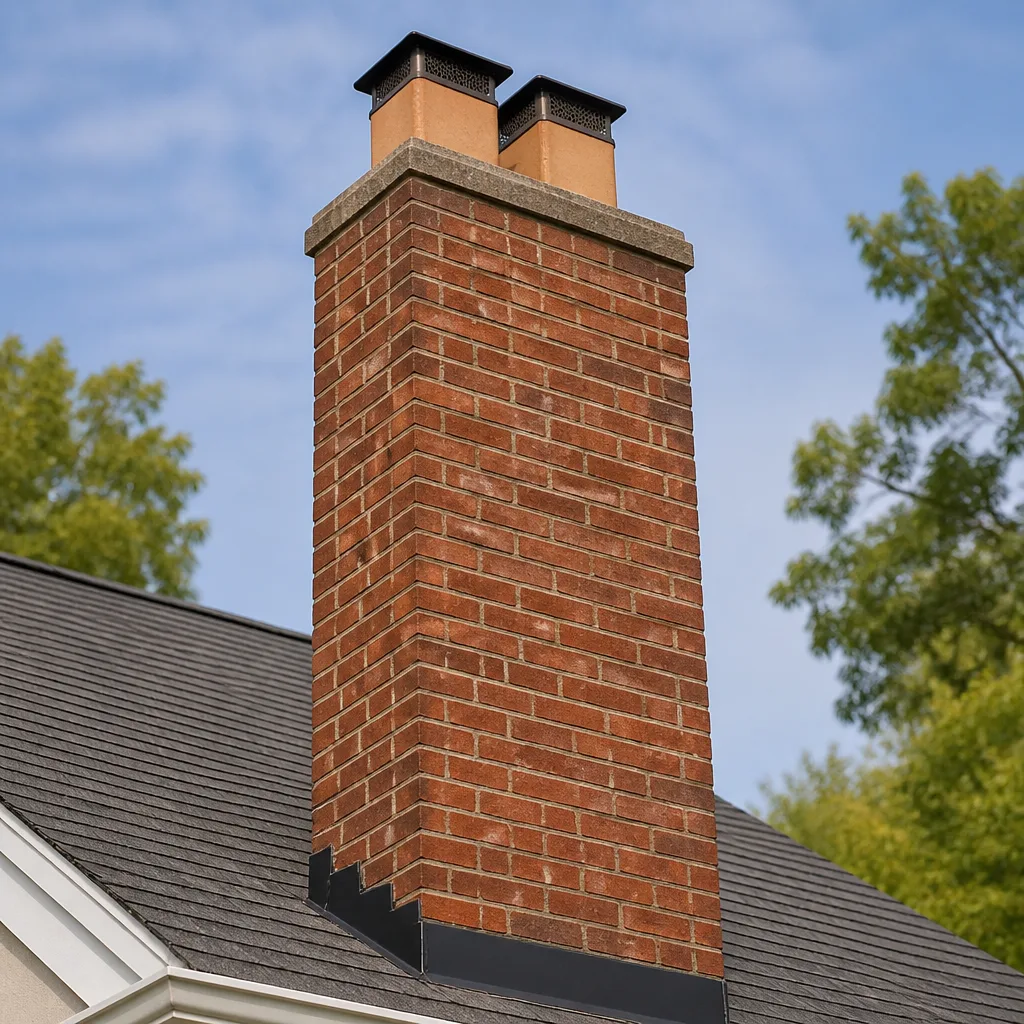 Masonry repair
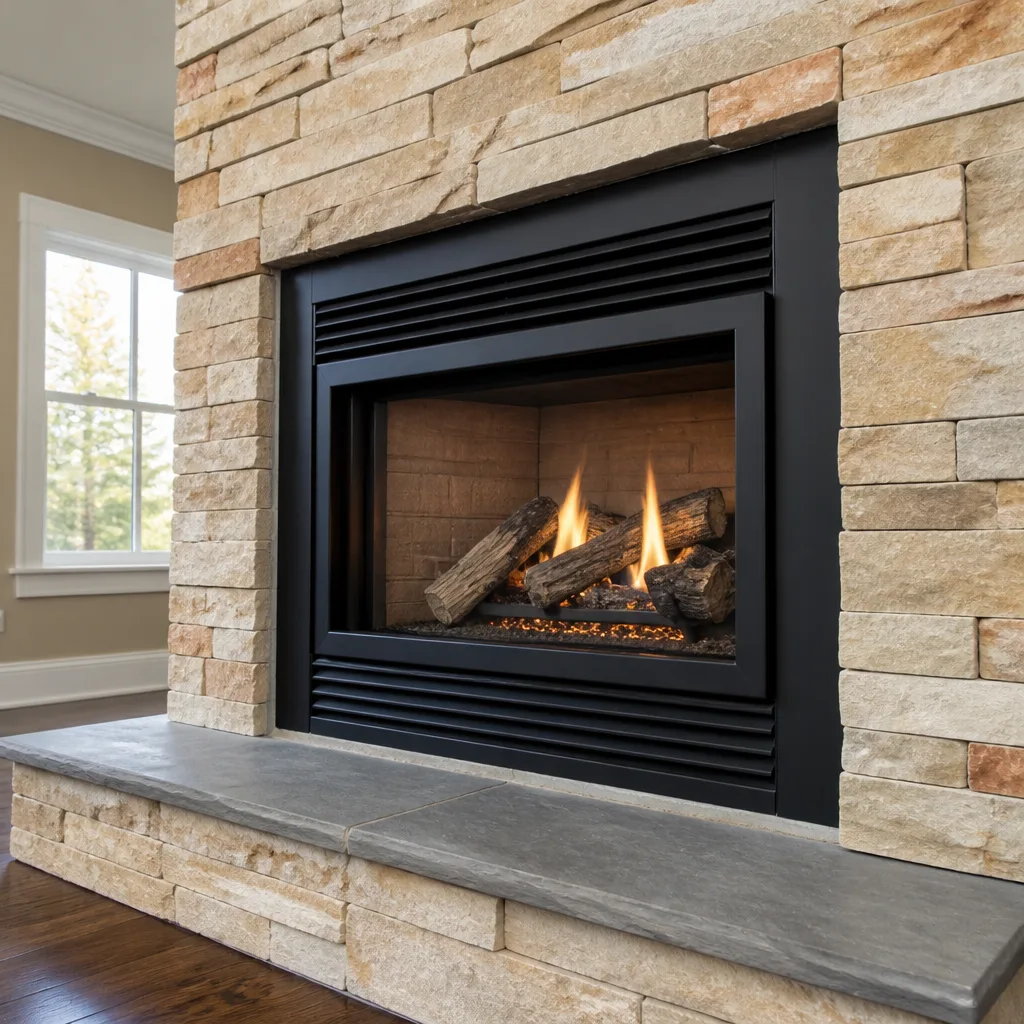 Gas fireplace service
Level 1 sweep and inspection to the NFPA 211 annual standard - flue, crown, cap, and flashing checked and photographed
Chimney sweep logs do not sweep chimneys. They loosen some creosote - which then falls where a brush and vacuum still have to collect it.
Seasonal Chimney Cleaning Care for Anaheim Colony: Year-Round Homeowner’s Guide
Most chimney advice you’ll find online was written for places with hard winters, and it doesn’t match how things work in Anaheim Colony. Here, the riskiest stretch for a chimney isn’t the cold months. It’s the long, dry off-season, when debris collects, moisture settles in from the marine layer, and birds have months to move in, all out of sight above the firebox. By the time you notice a problem, it’s often already done its damage. This guide walks through what Southern California weather actually does to a chimney, why late summer and early fall is the window that matters most, and a month-by-month rhythm for keeping your Anaheim Colony home safe and your flue clear.
Quick Answer
In Anaheim Colony, the highest-value time to schedule chimney cleaning and inspection is late summer to early fall, before you light the first fire of the season, not after winter. The mild climate means creosote, debris, and nesting animals build up over a long off-season, so an early-fall sweep catches problems when they’re small. A second look in spring, after the burning season winds down, keeps the flue clean through the dry months.
Styles & brands we work with
- Sweep & inspection
- Caps & crowns
- Flue relining
- Masonry repair
- Gas fireplace service
Table of Contents
- Why Anaheim Colony Chimneys Follow a Different Rhythm
- Why Late Summer and Early Fall Is the Priority Window
- How Santa Ana Winds Affect Your Chimney
- The Marine Layer Moisture Cycle and Your Masonry
- Nesting Season: What Moves In When You’re Not Burning
- A Month-by-Month Reference for Southern California
- What a Chimney Inspection Actually Checks
- When to Call a Professional
Why Anaheim Colony Chimneys Follow a Different Rhythm
In a four-season climate, chimney care follows a predictable arc. You burn hard through the winter, the flue loads up with creosote, and spring cleaning clears it out before the warm months. Anaheim Colony doesn’t work that way. Winters here are mild, so many households burn intermittently, a few fires on cool evenings, a stretch of nothing, then another cold snap. That stop-and-start pattern is actually harder on a chimney than steady use, because each short burn deposits a fresh layer of creosote that never gets hot enough to burn off cleanly.
Meanwhile, the off-season here is long. From late spring through early fall, most fireplaces sit idle for months. That’s the period when the real accumulation happens: leaves and twigs blown in by wind, dust, and the slow work of moisture on masonry. By autumn, an Anaheim Colony chimney that looked fine in April can be carrying a full load of debris and a hairline crack in the crown you can’t see from the ground.
That’s why we reframe seasonal care around two anchors instead of the traditional one:
- The pre-season sweep (late summer to early fall). This is the priority. It clears everything the off-season deposited and confirms the flue is safe before you light up.
- The post-season check (spring). This clears creosote from the burning season and catches wear from winter rains, so the chimney goes into the dry months clean.
If you only schedule one service a year in Anaheim Colony, make it the pre-season visit. It’s the one that protects you before the first fire, not after. If your flue hasn’t been touched in a while, this is the moment to book a chimney sweep and get an honest look at what’s going on inside.
Why Late Summer and Early Fall Is the Priority Window
Here’s the counterintuitive part: the most important service window for an Anaheim Colony chimney is before the burning season, not after it. When you sweep in spring, you’re cleaning up a mess that’s already happened. When you sweep in late summer, you’re preventing one. The three or four months leading into fall are when the off-season’s damage gets discovered and fixed, ideally before it becomes a chimney fire or a carbon-monoxide problem.
Think about what’s been going on inside your flue since spring. Birds may have nested and left behind material. Wind has pushed in debris. Moisture has been working on mortar joints and the liner. None of this announces itself. A blocked or restricted flue can push combustion gases back into the living space, and creosote that’s built up over intermittent burns is exactly the fuel a chimney fire needs. The pre-season sweep is how you find out before you find out the hard way.
Late summer also gives you room to fix what’s found. If the inspection turns up a cracked crown or a deteriorating liner, you have time to schedule repair work before the first cold evening, not scramble for it the week you want a fire. Repair work like cap and crown restoration is something we handle directly, and you can read about that side of the job on our chimney cap & crown page.
Practical timing:
- Schedule the sweep in late August or September, before the first cool evenings tempt you to light a fire.
- Get the inspection at the same visit so any repair is identified while there’s still time to book it.
- Do any needed repair in early fall, when scheduling is easier and the work isn’t competing with everyone who waited.
- Light the first fire only after the flue has been confirmed clear.
How Santa Ana Winds Affect Your Chimney
Santa Ana winds are the single biggest environmental force acting on an Anaheim Colony chimney, and they don’t get nearly enough attention. These dry, gusty offshore winds push through the region in fall and winter, and they do two things to your chimney system. First, they drive debris into the flue, leaves, twigs, seed pods, and grit that find their way past a loose or missing cap. Second, sustained wind pressure accelerates deterioration of the masonry at the top of the stack, the crown and the mortar joints just below it.
The crown is the concrete cap at the very top of the chimney, and it’s your first line of defense against water and wind. Santa Ana events hammer it. Small cracks open up, wind-driven grit widens them, and over a few seasons the crown can spall and break apart. Once it does, rain gets straight into the masonry below, and that’s where bigger, costlier problems start.
What we look for after wind season:
- Cracks or crumbling on the crown surface.
- Loose or missing mortar at the top courses of brick or stone.
- A chimney cap that’s been bent, shifted, or torn loose by a gust.
- Debris piled at the smoke shelf or damper, blown down the flue.
An inspection scheduled in late summer, just before wind season ramps up, catches a weakened cap or crown before the next round of gusts finishes it off. A properly fitted cap does most of the work of keeping wind-borne debris out of the flue, and our technicians install them using name-brand components such as Olympia Chimney and Gelco, not unbranded substitutes. If your cap is missing or loose, that’s a repair worth doing before the winds return.
The Marine Layer Moisture Cycle and Your Masonry
The marine layer is the low morning cloud cover that rolls in across the region, and in Anaheim Colony it creates a slow, steady moisture cycle that quietly wears on masonry and liner surfaces through the mild months. It’s not dramatic like a freeze, but it’s persistent. Damp mornings followed by warm, dry afternoons mean the outer surface of a chimney is repeatedly wetted and dried. Brick and mortar absorb a little moisture each time and give it back slowly, and over many cycles that repeated wetting and drying widens tiny cracks and loosens mortar joints.
The interior of the flue faces the same cycle in a different way. During the off-season, when the fireplace isn’t in use, the flue stays cooler and can hold moisture longer. That’s hard on a clay tile liner, which can crack as it absorbs and releases water, and it’s why we inspect liner surfaces carefully on any Anaheim Colony chimney that’s seen a few seasons. A cracked liner is a real safety concern: it can let heat and gases reach the framing around the chimney, which is exactly what liners exist to prevent.
Where HeatShield comes in: when a clay liner has deteriorated but isn’t beyond saving, resurfacing with HeatShield can restore it without a full tear-out. It’s a repair method that’s often less disruptive and less costly than replacing the whole liner, and it’s a capability that sets a dedicated chimney specialist apart from a sweep-only service. We’ll always tell you honestly when HeatShield is the right call and when full replacement is the better option. Nothing gets recommended without evidence you can see for yourself.
Nesting Season: What Moves In When You’re Not Burning
An unused chimney looks like prime real estate to a bird, and in Anaheim Colony’s mild climate the nesting window is long. Spring into early summer is the main period when birds scout and settle into chimneys, and because the firebox sits quiet for months, there’s nothing to discourage them. A colony of birds in the flue means nesting material, droppings, and eventually a blocked or restricted flue. If a nest is abandoned in the flue, it becomes a fire hazard the moment you light up.
The good news is that this is one of the most preventable chimney problems there is. A properly fitted cap with a screen keeps birds out entirely. The catch is timing: a cap installed after birds have already moved in won’t help until the flue is cleared, and in many cases you can’t just clear it. If there are active nests, especially protected species, there are rules about when and how a nest can be removed, so it’s worth getting a professional assessment rather than trying to deal with it yourself.
If you suspect your Anaheim Colony chimney has been colonized, here’s the general sequence:
- Don’t light a fire until the flue has been checked. A nest can block the draft and send smoke and gases into the room.
- Watch for signs: birds entering or leaving the top of the chimney, chirping or scratching from the firebox, or nesting material appearing at the damper.
- Get an inspection to confirm what’s up there and whether removal is appropriate at that time of year.
- Have the flue swept and a screened cap installed once it’s clear, so it doesn’t happen again next season.
Because nesting season runs right through the spring and early summer, we usually recommend checking the flue in late summer, after the nesting window closes, when any material left behind can be cleared before fall.
A Month-by-Month Reference for Southern California
Here’s a practical reference for what to watch and schedule through the year in Anaheim Colony. It’s built for this climate, not a winter climate, so the priorities are shifted earlier in the year.
| Season | What’s Happening | What to Do |
|---|---|---|
| Late winter (Feb – Mar) | Burning season winding down; some creosote buildup | Plan the post-season sweep |
| Spring (Apr – May) | Nesting season begins; winter rains have worked on masonry | Schedule the post-season sweep; check the cap and crown |
| Early summer (Jun) | Nesting window closing; flue sitting idle | Watch for bird activity; note any moisture signs on brick |
| Late summer (Jul – Aug) | Off-season debris has accumulated; nesting over | Book the pre-season sweep and inspection |
| Early fall (Sep – Oct) | Santa Ana wind season approaching | Complete any cap, crown, or liner repair identified at inspection |
| Fall (Oct – Nov) | First fires of the season; wind events | Light up only after the flue is confirmed clear |
| Winter (Dec – Jan) | Burning season; intermixed wind events | Burn dry, seasoned wood; monitor draft and smoke |
Treat this as a rhythm, not a rigid calendar. If you burn more than average, or your fireplace gets heavy use through the cooler months, adjust by adding a mid-season check. The core idea holds: sweep before the season, check after it, and use late summer as the anchor.
What a Chimney Inspection Actually Checks
A chimney inspection isn’t a sales tool, and it shouldn’t be treated as one. Done properly, it’s an honest condition assessment, whether you need repairs or not. In our view, a homeowner should be able to get an inspection on its own, before buying or selling a home or before lighting the first fire of the season, and get a straight answer. That’s why we offer inspection as a standalone service, separate from sweeping.
Our inspections are aligned with NFPA 211 standards, the widely recognized standard for chimney, fireplace, and venting condition. A real inspection covers the parts of the system you can’t see from the firebox:
- The flue: level of creosote, condition of the liner surface, any cracks or gaps.
- The firebox and damper: condition of the masonry and how well the damper seals.
- The smoke chamber and shelf: buildup that restricts draft.
- The cap and crown: cracks, spalling, and whether the cap is fitted and screened.
- Exterior masonry: loose mortar, signs of moisture penetration, and the overall stack.
What matters most to us is that you can trust the findings. We photograph what we find so you’re looking at the same evidence we are. If your liner is only lightly worn, we’ll say so. If work can safely wait until next season, we’ll tell you that too, rather than pushing a repair you don’t need yet. When something does need doing, our technicians work with professional-grade materials, including DuraFlex flexible liner systems, Famco components, and Copperfield parts, so the repair is built to last.
Common Mistakes to Avoid
- Waiting until the first cold night to schedule the sweep. That’s the busiest time and the worst time to discover a problem. Book in late summer, before demand peaks and before you want a fire.
- Assuming a mild climate means less chimney care. Intermittent use in Anaheim Colony deposits creosote that never fully burns off, and a long off-season lets debris and moisture build. Mild weather changes the pattern; it doesn’t remove the need.
- Burning without checking the flue after nesting season. A bird nest or leftover nesting material can block the draft and creates a fire risk. Confirm the flue is clear before the first fire.
- Ignoring the chimney cap. A missing or damaged cap lets in wind-driven debris during Santa Ana events and lets birds settle in. It’s a small part that does a lot of work.
- Skipping the crown because it looks fine from the ground. Small cracks and spalling are easy to miss at a distance and can let water into the masonry. An inspection catches them while they’re minor.
- Treating an inspection as a formality before a sale. A buying or selling inspection should be a genuine condition report, not a checklist. Ask for findings you can see.
- Letting a sweep-only provider talk you into work that isn’t needed. If a recommendation isn’t backed by camera evidence you can look at, ask questions before agreeing.
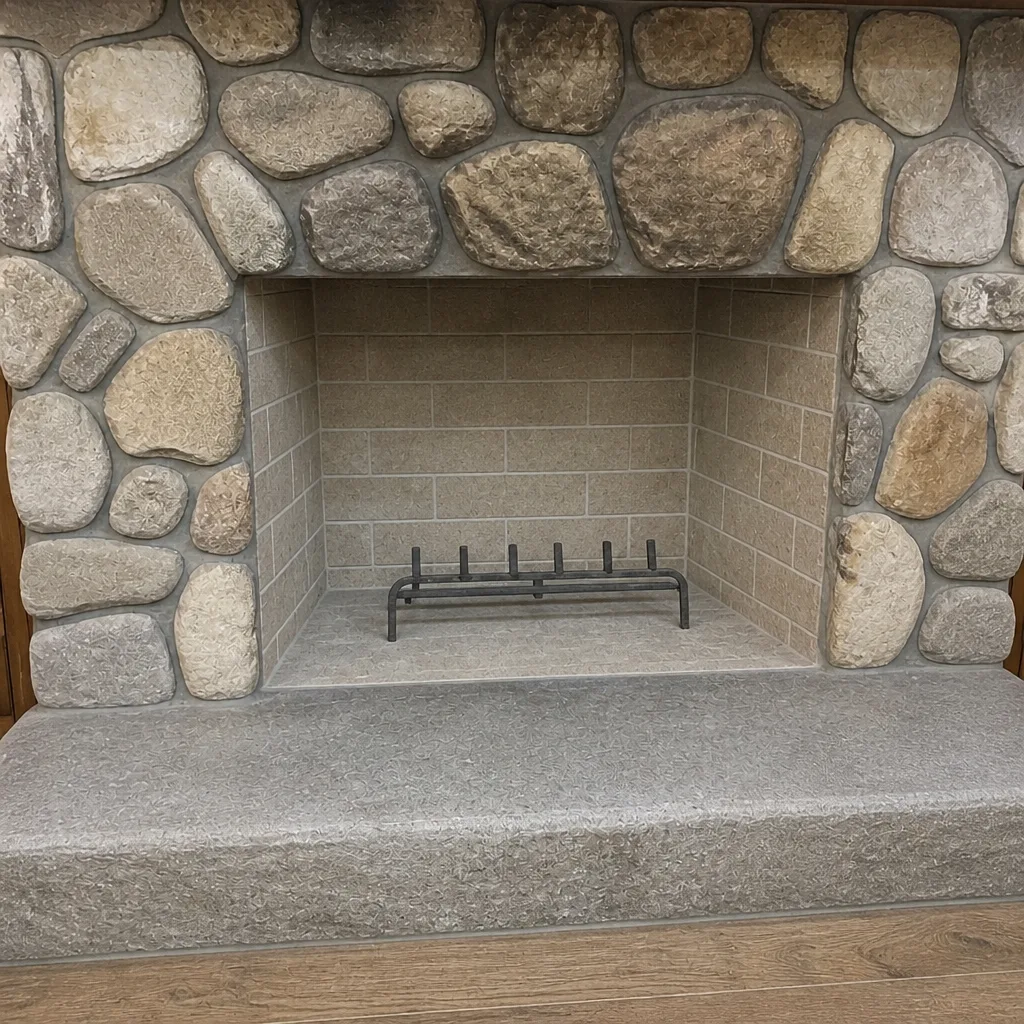
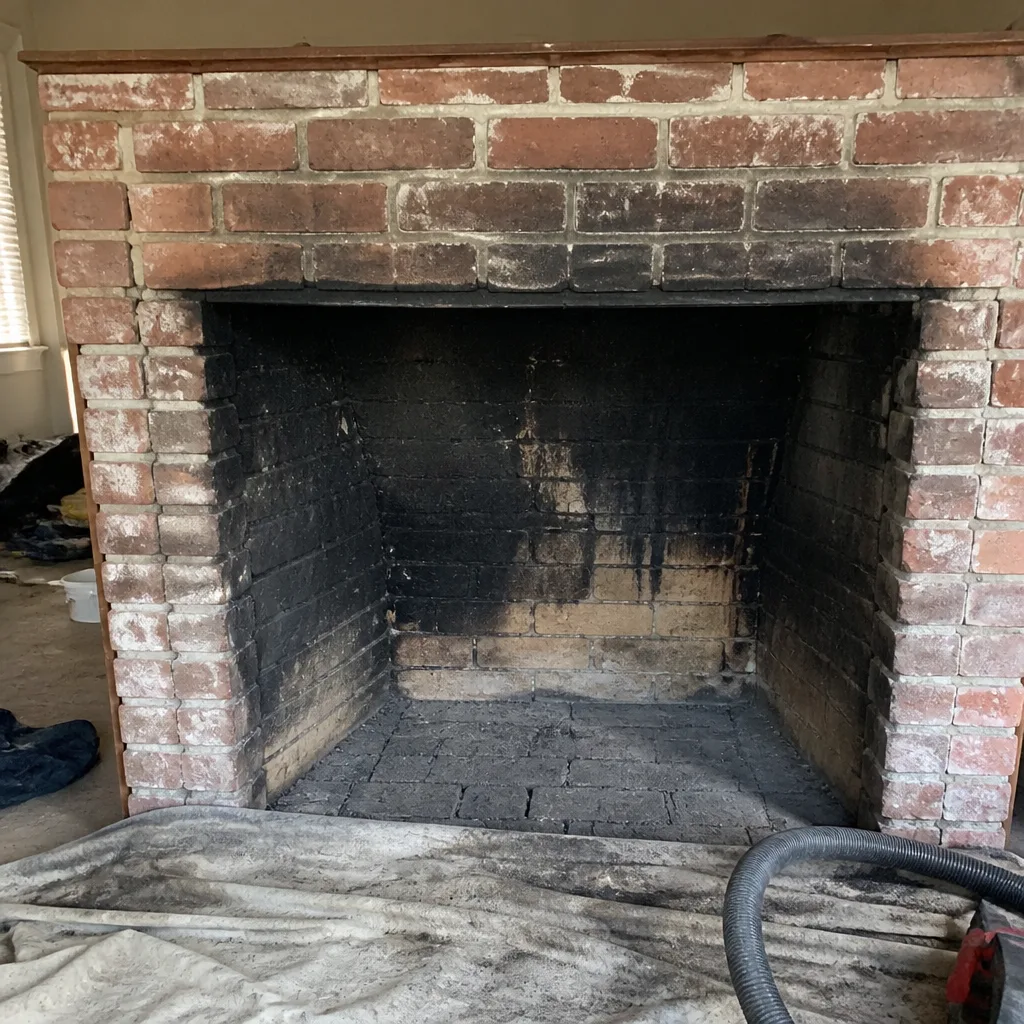
See the difference
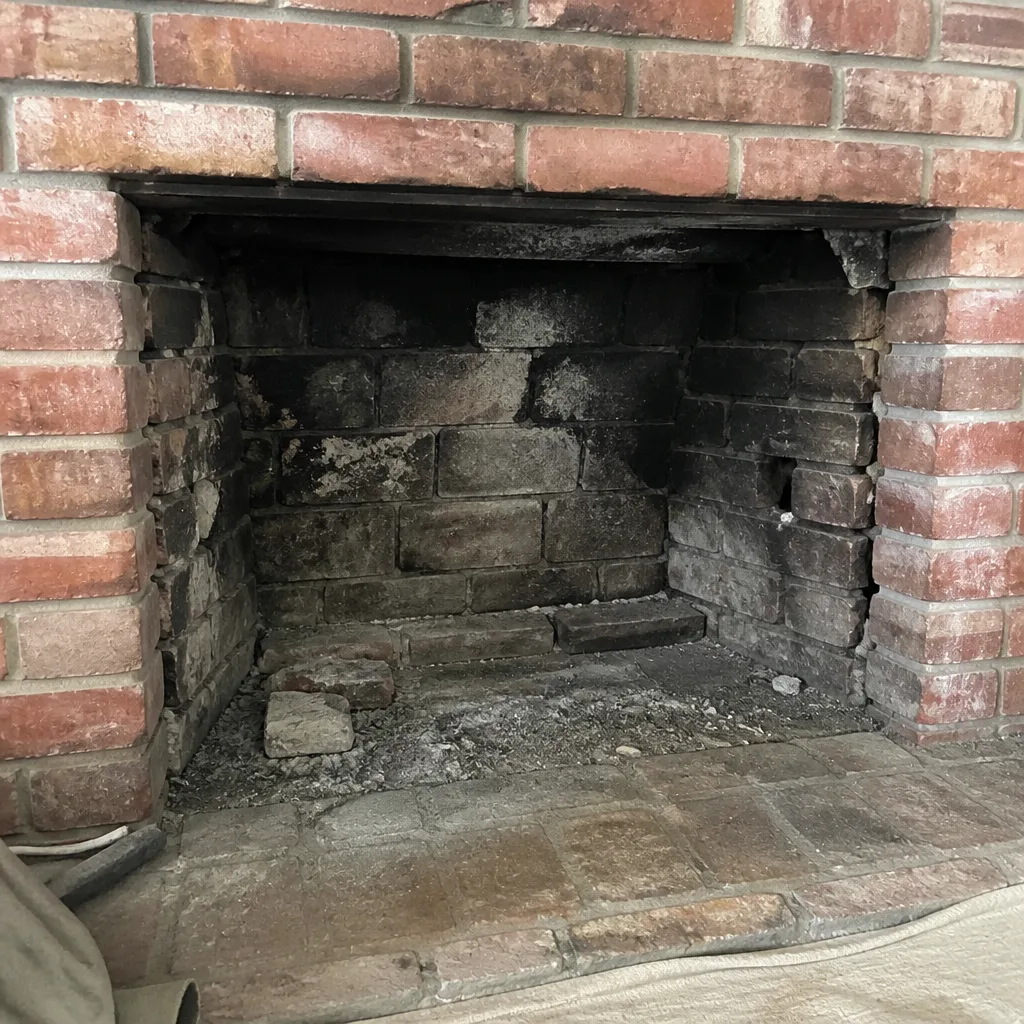 Before
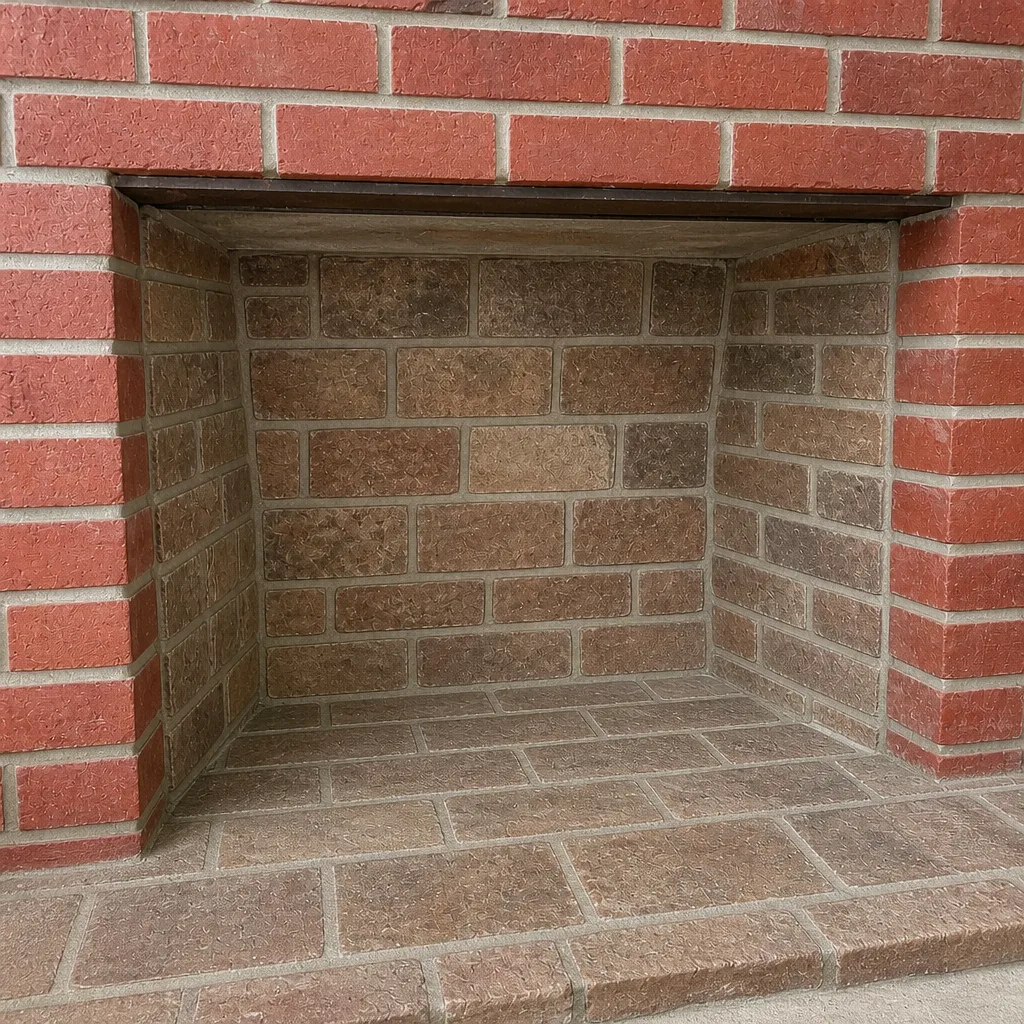 After
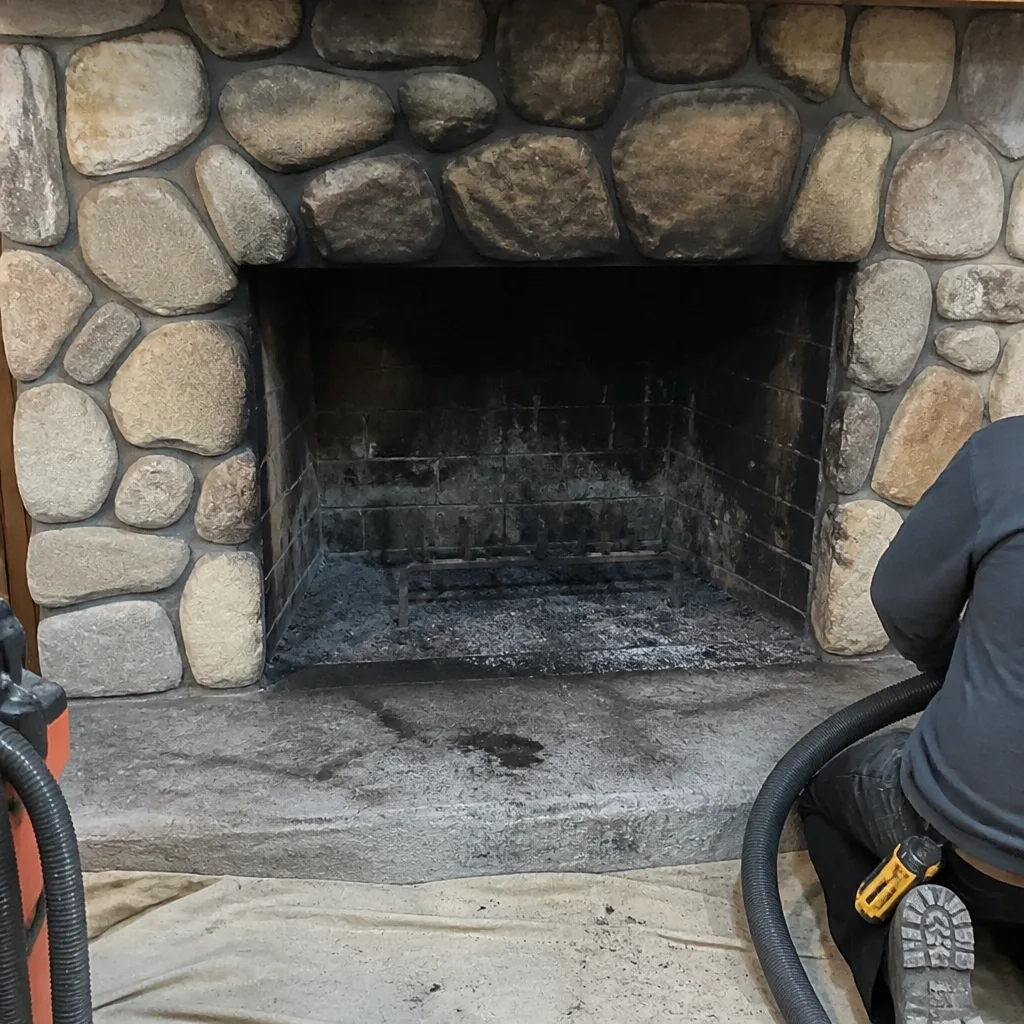 Before
 After
 Before
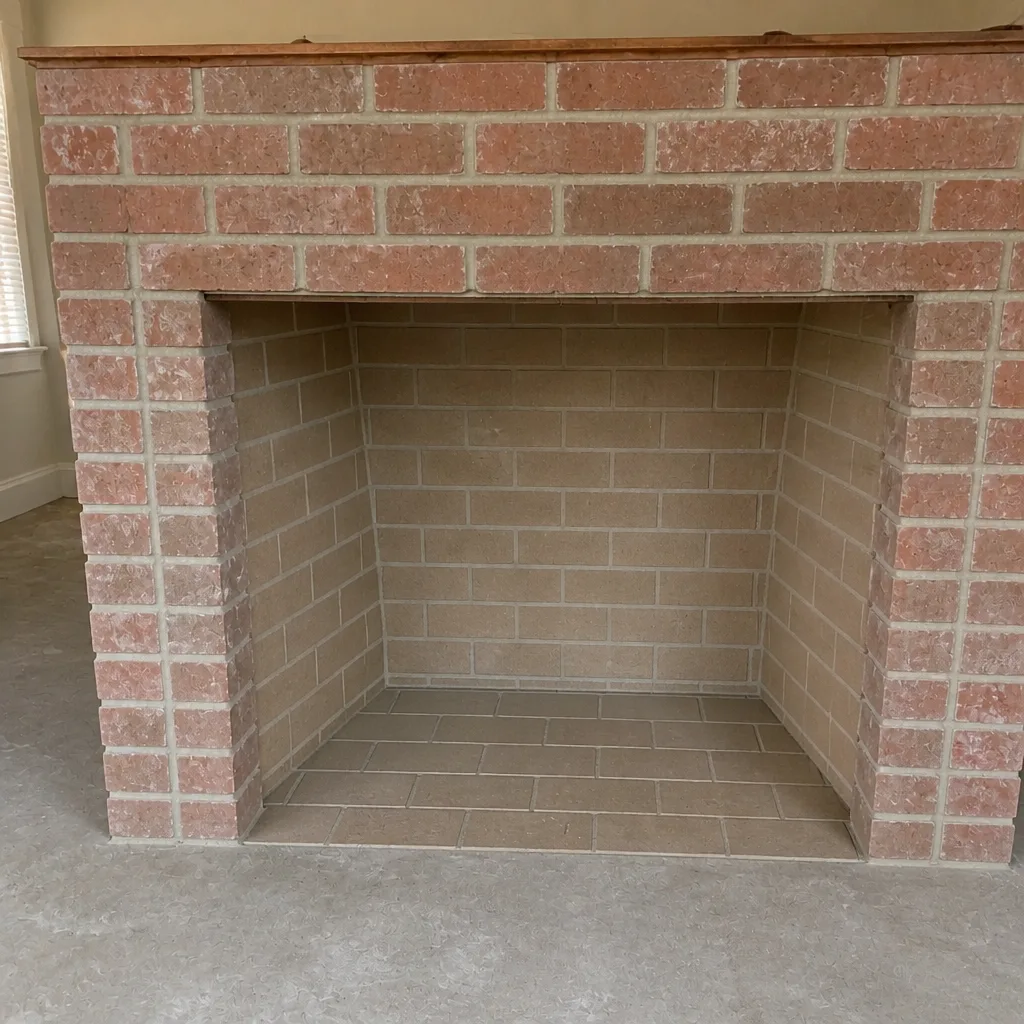 After
When to Call a Professional
Some chimney work is a judgment call for a professional, and a few situations are clear signals to call right away. If you smell smoke in the room while a fire is burning, if the draft is weak or smoke backs up, if you see creosote or debris falling into the firebox, or if you suspect a bird has nested in the flue, those are all reasons to stop burning and get the system checked. Schedule a call if it’s been more than a year since your last sweep, if you’re buying or selling and want a credible inspection report, if you haven’t used the fireplace in a while, or if a Santa Ana wind event has damaged the cap or crown. Chimney Sweep Anaheim Colony offers free estimates in Anaheim Colony – call (833) 482-6032. We handle the full range of work, from the annual sweep to liner repair, and you can reach our fireplace repair team for issues inside the firebox as well.
Frequently Asked Questions
Once a year for most Anaheim Colony homes, with the sweep timed to late summer or early fall before the burning season. If you burn frequently or notice buildup sooner, schedule an additional check. The annual sweep is a minimum, not a maximum.
Yes, for safety it’s the priority window. A late-summer sweep clears the off-season’s debris and nesting material and confirms the flue is safe before you light the first fire. A spring sweep is still worthwhile to clean up after the burning season, but it protects you after the fact, not before.
Because the risk in Anaheim Colony comes from accumulation and moisture, not from hard freezes. Intermittent burning leaves creosote that never fully burns off, the long off-season lets debris and birds collect in the flue, and the marine layer keeps masonry repeatedly wetted and dried. That’s why yearly care matters here just as much as in colder places.
They can, mostly at the top of the stack. Wind-driven debris gets past a loose cap and into the flue, and sustained gusts accelerate cracks and spalling on the crown and mortar joints. An inspection before wind season catches a weakened cap or crown before the next round of gusts makes it worse.
Don’t light a fire until the flue has been checked. Get an inspection to confirm what’s in the flue and whether removal is appropriate at that time of year, then have it swept and a screened cap installed once it’s clear. Removing an active nest can involve rules for protected species, so it’s worth having a professional assess it rather than trying to clear it yourself.
Yes, and we treat it as a legitimate reason to call. An inspection is a standalone service, not just a sales tool, and it gives you an honest assessment whether you need repairs or not. We photograph what we find so you can see the evidence for yourself, and we’ll tell you when work can safely wait.
The Bottom Line
Chimney care in Anaheim Colony follows the local climate, not the textbook. The priority window is late summer and early fall, when you clear the off-season’s debris and nesting material and confirm the flue is safe before the first fire. Santa Ana winds push debris in and wear on the crown, the marine layer works moisture into masonry and liners, and a quiet fireplace invites birds to move in. Sweep before the season, check after it, and watch the cap and crown after wind events. That rhythm keeps your home safe and your flue clear year-round. And when you’re ready, a single call covers the sweep and whatever repair turns up.
Contact: Call (833) 482-6032 for a free estimate. We answer 24/7. Fast dispatch from 7am to 7pm, Sunday through Friday. Visit Chimney Sweep Anaheim Colony to learn more about our full range of chimney services.
Written by the team at Chimney Sweep Anaheim Colony.