
Last updated November 25, 2026
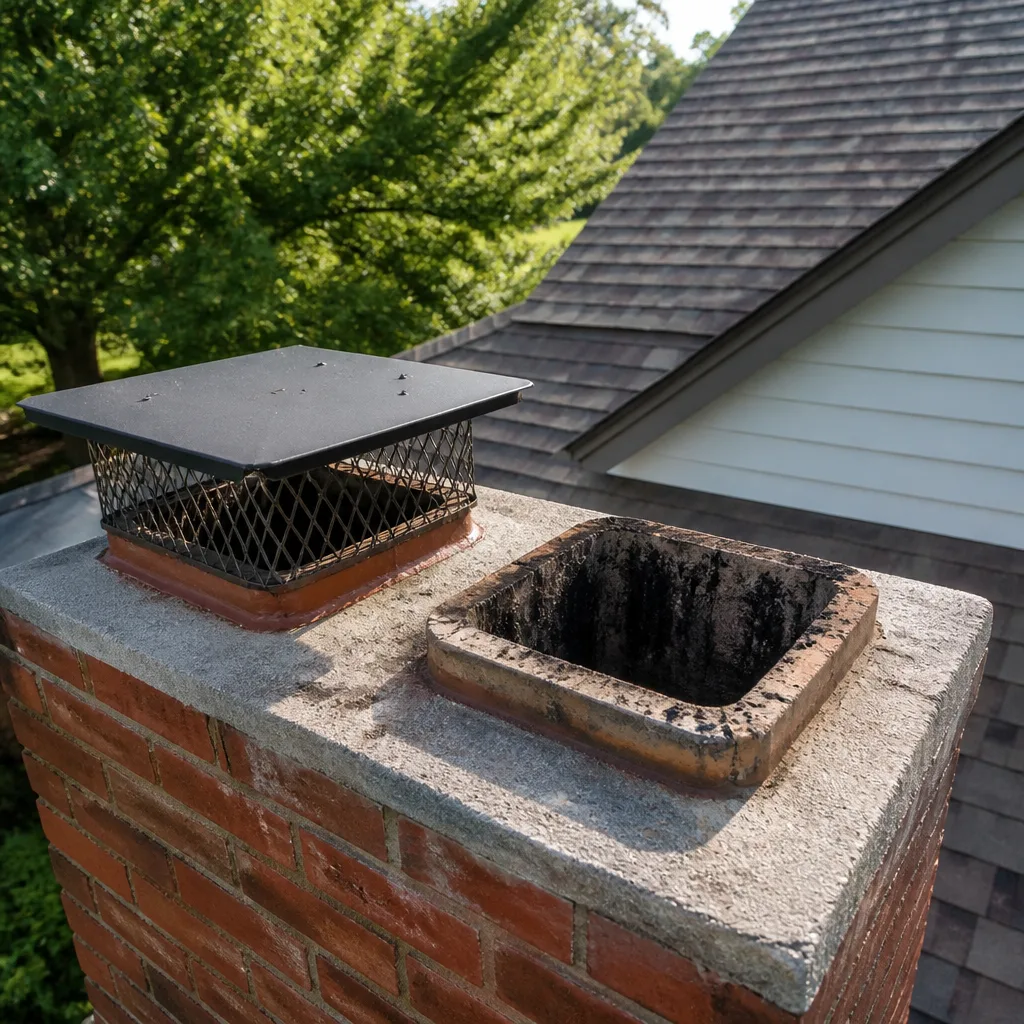 Sweep & inspection
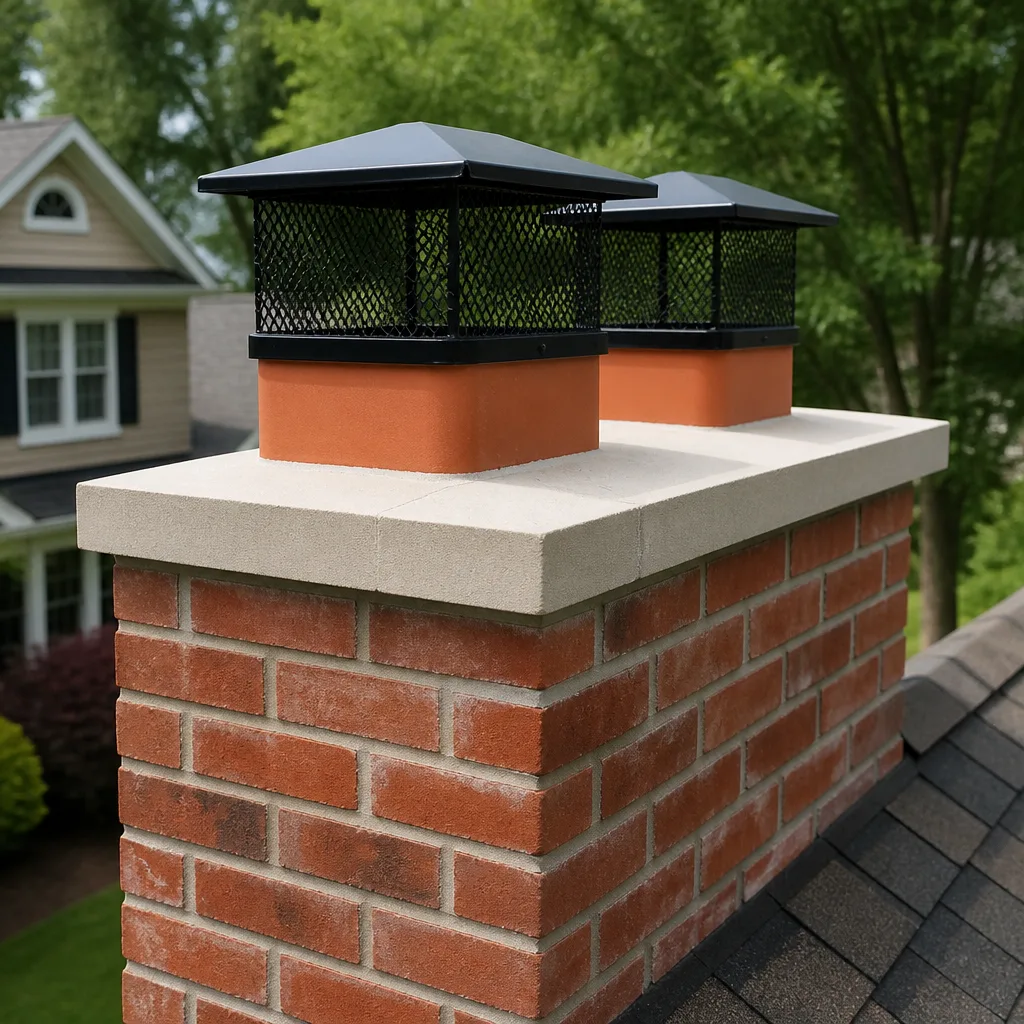 Caps & crowns
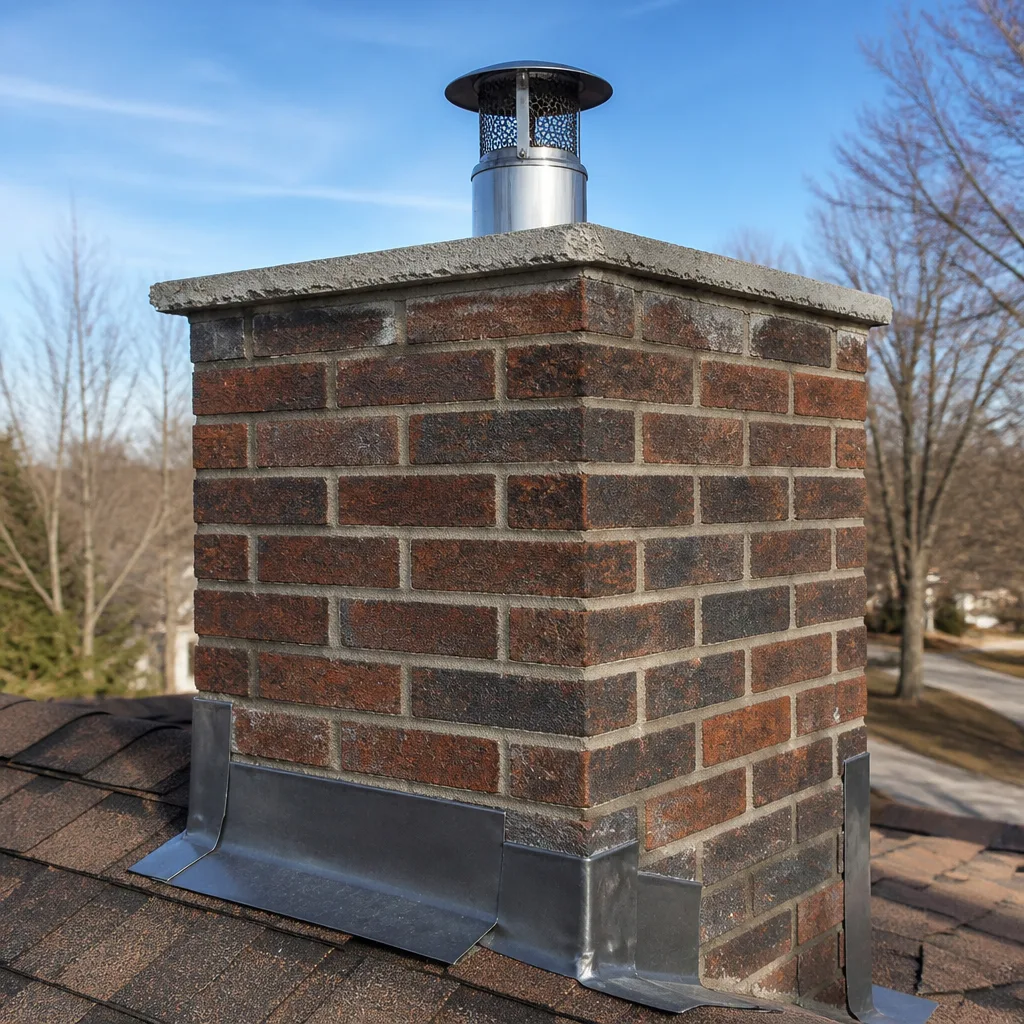 Flue relining
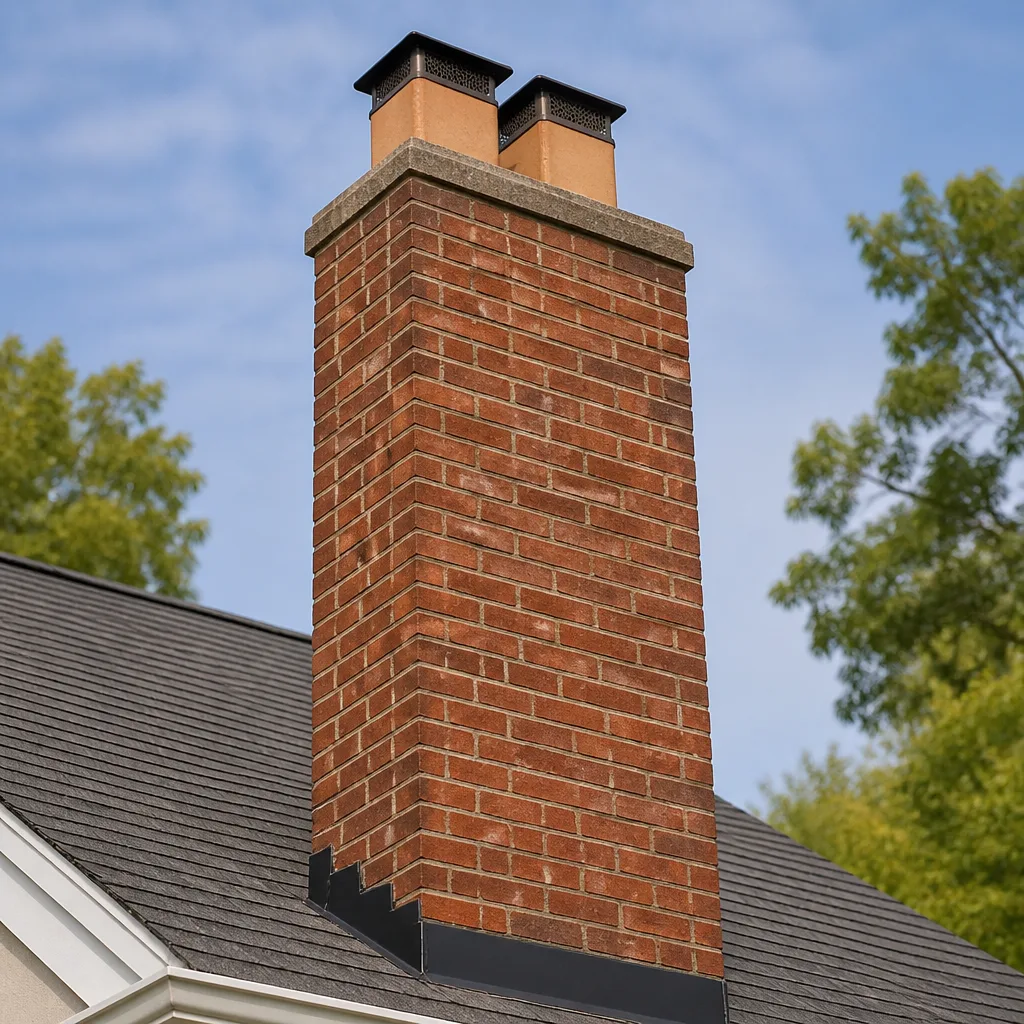 Masonry repair
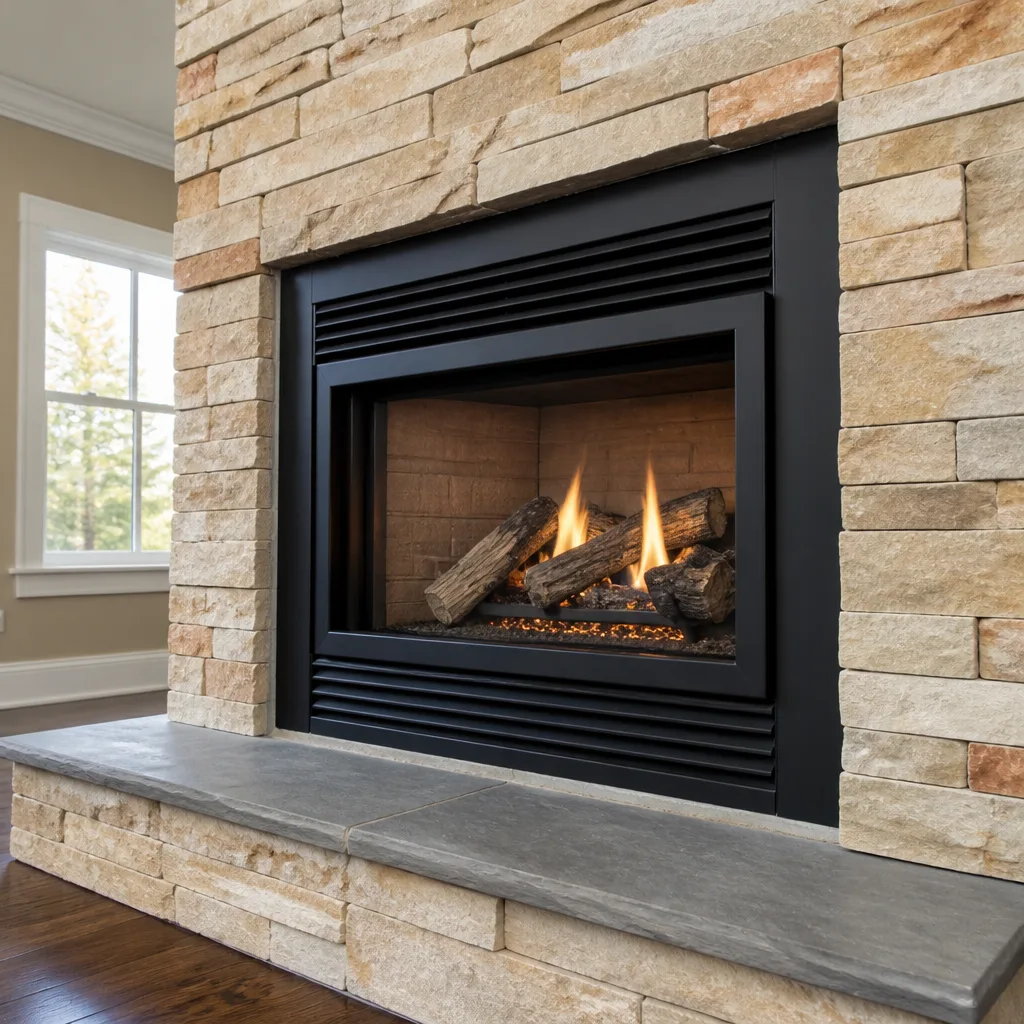 Gas fireplace service
Level 1 sweep and inspection to the NFPA 211 annual standard - flue, crown, cap, and flashing checked and photographed
Chimney sweep logs do not sweep chimneys. They loosen some creosote - which then falls where a brush and vacuum still have to collect it.
Chimney Cleaning Permits, Codes & Inspections in Anaheim Colony, CA: What You Need to Know
Most homeowners assume that anything a chimney sweep does falls under routine maintenance, the kind of work that never touches a building permit. That’s true for a sweep. It stops being true the moment the work becomes a repair, a liner replacement, or a structural change to the chimney itself. In our experience across Anaheim Colony, the confusion isn’t carelessness. It’s that nobody draws the line clearly, so repairs get done without permits, and the problem only surfaces years later during a home inspection, an insurance review, or a sale. This guide draws that line: what California code requires, how the City of Anaheim handles chimney permits, what NFPA 211 inspection levels actually mean, and how to protect yourself before work starts.
Quick Answer
Routine chimney cleaning and sweeping do not require a permit anywhere in California, including Anaheim Colony. Permits become necessary when the work crosses into repair or modification: relining a flue, rebuilding a chimney crown, replacing structural masonry, or altering the chimney’s height or configuration. Inspections follow NFPA 211 standards at three defined levels, and local code enforcement in Anaheim relies on permitted work and inspection sign-offs for anything structural. If you’re only booking a sweep, no permit is involved. If repair enters the conversation, ask who’s pulling the permit before anyone touches your chimney.
Styles & brands we work with
- Sweep & inspection
- Caps & crowns
- Flue relining
- Masonry repair
- Gas fireplace service
Table of Contents
- Where the Permit Line Falls in Anaheim Colony
- What California Residential Code Says About Chimneys
- How the City of Anaheim Handles Chimney Repair Permits
- NFPA 211 Inspection Levels Explained
- Unpermitted Work, Insurance, and Real Estate Disclosure
- What to Ask a Contractor About Permits
- Sweep vs. Repair: Two Different Jobs
Where the Permit Line Falls in Anaheim Colony
The permit line is drawn at the point where work affects the structural integrity, safety systems, or configuration of the chimney, rather than just its interior cleanliness. Cleaning the flue removes creosote and debris. It changes nothing about the chimney as a structure. Repair work changes something, and that’s where code and permits enter.
Here’s the practical split we explain to homeowners in Anaheim Colony:
- No permit typically required: routine sweeping, removal of creosote and soot, cap inspection, visual condition checks, and cleaning of the firebox and smoke chamber.
- Permit typically required: relining a flue with a new liner system, rebuilding a damaged crown, replacing deteriorated masonry, altering chimney height, installing a new chimney where none existed, and structural repair to the chimney chase or flashing.
- Depends on scope: installing or replacing a cap, repairing minor flashing, and resurfacing a liner with a restoration product. Small like-for-like replacements often fall under maintenance; anything that changes the material or dimensions usually needs review.
The distinction matters because Anaheim Colony has a large stock of older homes where chimneys have been in service for decades. Original masonry chimneys from that era often have clay tile liners that have cracked or degraded. When a sweep finds that, the conversation moves from cleaning to repair, and that’s exactly the moment the permit question needs to be answered. We’re careful to say this plainly: we’re not the building department, and permit requirements can vary with the specific scope of a job. What we can do is tell you when a job is likely to require a permit so you can confirm with the City of Anaheim before work begins.
If you’re scheduling a routine chimney sweep, no permit is involved. If that sweep turns up a liner problem, the next step is a conversation about scope, code, and permits, not a rushed decision to reline on the spot.
What California Residential Code Says About Chimneys
California Residential Code governs how chimneys must be built and repaired in residential structures, and it draws on national standards for masonry and factory-built chimneys. The code addresses clearances to combustibles, flue liner requirements, chimney height relative to the roofline, crown construction, and the materials permitted in a flue. You don’t need to memorize the code to own a chimney, but knowing its broad requirements helps you recognize when a contractor’s plan actually meets them.
The areas that come up most often for Anaheim Colony homeowners:
- Flue lining. Every masonry chimney is required to have a liner, and the liner must be continuous and appropriate for the appliance it serves. A cracked clay tile liner is a code issue, not just a performance issue.
- Clearance to combustibles. Chimneys must maintain specified clearance from wood framing and other combustible materials. This is one of the most common hidden problems uncovered during inspection, because the clearance is behind the wall where no one sees it.
- Chimney height. The code sets a minimum height above the roof and above nearby roof features to ensure proper draft. Adding height or altering the chimney top affects this requirement.
- Crown and cap. The crown sheds water away from the chimney; a failed crown lets moisture into the masonry. Proper crown repair is a structural repair, which is why it falls on the permit side of the line more often than homeowners expect.
Where the code intersects with local enforcement is in the permit and inspection process. A permitted job in Anaheim requires an inspection sign-off before it’s considered complete, and that inspection checks the work against the code requirements above. This is where unpermitted work becomes a problem: the work may be done, but there’s no paper trail proving it was done to code. If your chimney is due for chimney cap & crown work, the crown portion in particular is worth checking for permit requirements before proceeding.
One more code point worth stating: fireplace repair inside the firebox, such as rebuilding firebrick or repairing a damper, is often maintenance rather than structural modification. But if the repair affects the flue or the chimney’s structure, it moves into permit territory. When in doubt, ask the City of Anaheim building department. It’s a five-minute call that can save a much bigger headache later.
How the City of Anaheim Handles Chimney Repair Permits
The City of Anaheim building department issues permits for chimney repair and modification work that meets the threshold described above, and it inspects that work before sign-off. The process follows the standard sequence for residential permits: application, plan review where required, permit issuance, work performed, inspection, and final approval. For straightforward repair work, this is typically a manageable process. For a full reline or a chimney rebuild, expect more scrutiny.
Here’s how the sequence usually unfolds for a permitted chimney repair in Anaheim Colony:
- Scope determination. The contractor defines the work in writing: what’s being repaired, what materials will be used, and how the repair meets code. This becomes the basis for the permit application.
- Permit application. The application is filed with the City of Anaheim. Some repairs require plan review; minor repairs often move through more quickly.
- Permit issuance. Once approved, the work can proceed. The permit should be posted or available on site.
- Inspection. An inspector verifies the completed work against the approved scope and applicable code requirements. Depending on the work, there may be more than one inspection.
- Final sign-off. The permit is closed, and the record becomes part of the property’s history. This documentation is what protects you at resale or in an insurance claim.
The part homeowners underestimate is how much the inspection sign-off matters down the road. A closed permit is proof the work was done to code, reviewed by an independent party. Unpermitted work has no such proof, and that absence is what triggers problems during a home inspection or an insurance review. We’re careful to say this: we’re not the permitting authority, and we don’t speak for the City of Anaheim. What we do is make sure the scope of a repair is clear enough that a homeowner can determine whether a permit is needed and file accordingly. Our chimney-only focus means every technician on site understands the difference between a cleaning and a structural repair, and can explain it to you in plain terms.
NFPA 211 Inspection Levels Explained
NFPA 211, the national standard for chimneys, fireplaces, vents, and solid fuel-burning appliances, defines three levels of chimney inspection. Knowing the levels helps you understand what you’re buying when you book an inspection, and it clarifies why a Level 1 inspection is enough for routine maintenance but not for a real estate transaction or a change in appliance.
- Level 1 inspection. A visual check of the readily accessible portions of the chimney and venting, without tools that could damage the chimney. This is the baseline inspection done alongside a routine sweep. It’s appropriate when the appliance hasn’t changed and the chimney is under regular care.
- Level 2 inspection. A more thorough inspection that includes accessible portions of the chimney’s interior and exterior, and may use video scanning of the flue. It’s required for real estate transactions, after a chimney fire, after an event that could damage the chimney, and when a new appliance is installed or the fuel type changes. This is the level most home buyers and sellers need.
- Level 3 inspection. When a Level 1 or Level 2 inspection reveals a hazard that requires access to concealed areas of the chimney, a Level 3 inspection is performed. It may involve removing parts of the chimney or surrounding structure to inspect and address the hazard.
Where NFPA 211 intersects with local code enforcement is at Level 2. When a real estate transaction requires a Level 2 inspection, the findings often drive repair work, and that repair work is where permits enter. If the inspection identifies a cracked liner or failed crown, the repair scope becomes the permit scope. The two processes aren’t identical, but they run in sequence.
We offer inspection as a standalone service in Anaheim Colony, which means you can get an honest condition assessment without being sold a repair package. We also make sure any inspection we perform aligns with NFPA 211 levels. If the inspection suggests work, the report should tell you what’s wrong, why it matters, and whether it’s urgent. For homeowners in Anaheim Colony who want a clear picture of the chimney’s condition before the first fire of the season, a Level 1 inspection alongside a sweep is usually the right starting point. If you’re preparing to sell or you’ve just bought, a Level 2 is the appropriate level.
When an inspection does identify liner deterioration, we have more options than a full replacement. HeatShield liner restoration can resurface a damaged liner in many cases, avoiding the cost and disruption of a full reline. That option isn’t right for every situation, and we’ll tell you plainly when it isn’t. When a new liner is the right answer, we install DuraFlex flexible liner systems, which are a recognized industry material and not a generic substitute.
Unpermitted Work, Insurance, and Real Estate Disclosure
Unpermitted chimney work can affect both your insurance coverage and your disclosure obligations when you sell. The issue isn’t that insurers and buyers go looking for permits. It’s that unpermitted work represents undocumented risk, and both parties are entitled to know about it.
On the insurance side, the concern is straightforward. Insurers price and cover risk based on the condition of the property. A chimney repair done without a permit has no independent verification that it was done to code. If a claim arises from the chimney, an insurer may question whether the work was performed correctly. The absence of a permit doesn’t automatically void coverage, but it removes the documentation that would support your claim. That documentation is exactly what a closed permit provides.
On the real estate side, disclosure requirements apply. California requires sellers to disclose material facts about the property, and unpermitted work is a material fact. A home inspection during a sale commonly surfaces unpermitted chimney work, and that discovery can delay or complicate a closing. The buyer’s inspector will ask for documentation. If there isn’t any, the buyer may request a Level 2 inspection and repair work before proceeding. What could have been a routine transaction becomes a repair project on a deadline.
The practical takeaway for Anaheim Colony homeowners is this: treating a chimney repair as a permitted job from the start protects you both ways. It gives you documentation for insurance and it gives you a clean disclosure for resale. Our fireplace repair work follows the same logic. If a repair touches the structure, we want a clear paper trail. If it’s maintenance inside the firebox, we’ll say so.
One more point worth stating plainly: inspections are not sales tools. An honest inspection tells you the condition of the chimney, whether you need repairs or not. If the chimney is sound, the report says that. If a repair can safely wait, we’ll tell you that too. We’re a chimney-only specialist, which means we don’t have a generalist list of other work to sell you, and we don’t need to invent a repair to keep the schedule full.
What to Ask a Contractor About Permits
Asking the right questions before work begins is the single best protection you have. A contractor who handles permits routinely will answer these without hesitation. One who resists the topic is telling you something.
Ask these questions in this order:
- “Does this job require a permit?” The contractor should be able to explain why a specific scope falls on the permit side or the maintenance side, based on what the work touches. “We never pull permits for chimneys” is not an answer; it’s a red flag.
- “Will you pull the permit, and is it included in the estimate?” The written estimate should state clearly whether permit costs are included and who is responsible for filing. Ambiguity here almost always costs the homeowner more later.
- “What inspections will be required, and will you coordinate them?” A permitted repair typically requires at least one inspection. The contractor should know the process and schedule it as part of the job.
- “What will I receive after the work is done?” You should receive documentation of the closed permit and the inspection sign-off. This is what protects you at resale and in an insurance claim.
- “What if you find additional work once you’re in there?” A clear answer here matters, because chimney repairs often uncover more once the flue is open. The change should require your approval and, where applicable, a permit revision.
If a contractor pushes back on the permit question, the right move is to get another opinion before proceeding. A sweep doesn’t require a permit, so the permit conversation only comes up when there’s real repair work on the table. That’s exactly the moment to slow down. In our experience, the contractors who resist permits are the ones whose work would fail an inspection.
For Anaheim Colony homeowners who want a straightforward conversation about scope, permit requirements, and what the work actually involves, we’re happy to walk through it. We’ll tell you what we see, what it means, and whether the City of Anaheim is likely to require a permit for the repair. If the answer is yes, we say so. If the repair can safely wait, we say that too. If you want to start with the full picture, visit Chimney Sweep Anaheim Colony for a look at what we do.
Sweep vs. Repair: Two Different Jobs
A chimney sweep and a chimney repair are two different jobs with two different safety profiles and two different code footprints. Keeping them distinct in your mind is the simplest way to stay on the right side of the permit question.
A sweep is a maintenance task. The technician removes creosote, soot, and debris from the flue and firebox, inspects the accessible portions of the chimney, and reports condition. No structural change occurs. No permit is required. This is the annual service that keeps a chimney safe, and skipping it is how creosote buildup becomes a chimney fire hazard. The risk from skipping a sweep is real and specific: creosote accumulates with every fire, and at certain concentrations it can ignite. Carbon monoxide is a separate risk, and it’s tied to proper draft and a sound flue. Both are why regular sweeping matters and why an inspection alongside it is worth doing.
A repair is a structural task. It changes something about the chimney: a new liner, a rebuilt crown, repaired masonry, altered height. These are the jobs that fall under California Residential Code and may require a permit from the City of Anaheim. They also carry more risk if done incorrectly. A poorly installed liner can fail, obstruct draft, or leave clearance problems hidden inside the wall. That’s why permits and inspections exist for this category of work.
The overlap is that a sweep often uncovers the need for repair. That’s not a sales tactic; it’s how chimney maintenance works. The sweep shows you the condition of the flue, and if the condition requires a repair, you make an informed decision about scope, permit, and cost. The key is that the decision happens after the inspection and before the repair, not in the middle of a sales conversation.
Anaheim Colony’s climate is mild, which changes how often a sweep is needed but not the underlying rules. Chimneys here don’t face the freeze-thaw stress that chimneys do in colder parts of the country, but they still accumulate creosote with use and still degrade with moisture over time. Mild winters don’t exempt a chimney from Annual attention. They just shift the calendar: the first fire of the season is the natural checkpoint, and the sweep should happen before it.
If you’re booking a sweep and want to know what a repair would involve, we can walk through both at once. A single visit can cover the sweep, the inspection, and a written explanation of any repair scope, including whether a permit is likely. That’s the value of having one chimney-only specialist handle the full sequence. You can also read more about what we cover on our chimney sweep page, or look at cap and crown work separately if that’s the concern.
Common Mistakes to Avoid
- Assuming all chimney work is permit-free because sweeping is. The permit line sits at repair and structural work, and treating it as maintenance is how unpermitted work ends up on a property record.
- Letting a contractor reline or rebuild without asking who pulls the permit. If the permit question is dodged, the work likely won’t pass an inspection, and the documentation you need later won’t exist.
- Skipping the inspection because the sweep came back clean. A sweep clears the flue; it doesn’t assess the chimney’s structural condition, and the two are separate services for a reason.
- Confusing a Level 1 and a Level 2 inspection during a home sale. A real estate transaction calls for a Level 2 inspection under NFPA 211, and buyers who receive a Level 1 report will often request a second inspection.
- Treating unpermitted work as someone else’s problem at resale. Unpermitted chimney repairs are a common red flag in home inspections, and the seller carries the disclosure obligation.
- Booking a repair before understanding the scope. A written scope, including whether a permit is required and whether permit costs are included in the estimate, should come before any work starts.
- Choosing a multi-trade handyman for chimney repair. Chimney work has its own standards and its own code requirements, and a generalist is not the right fit for structural chimney repair.
See the difference
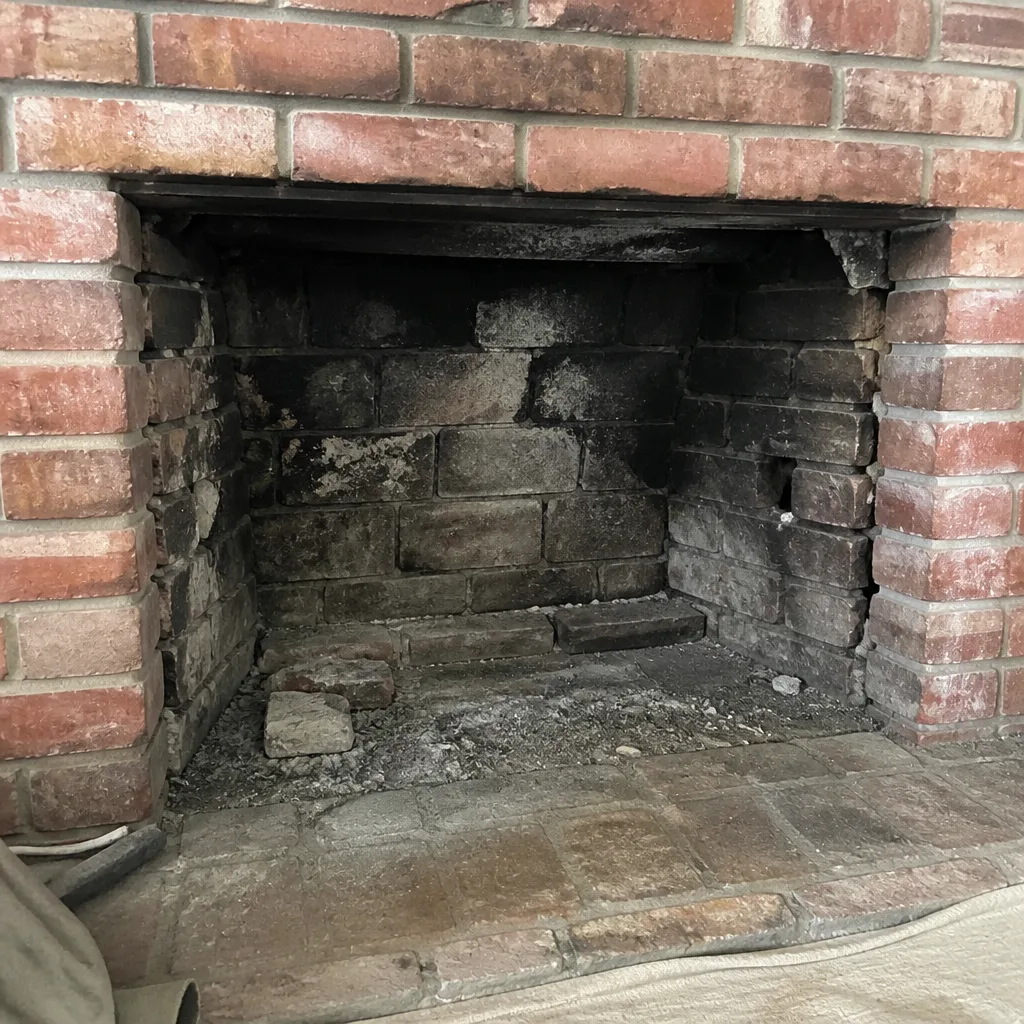 Before
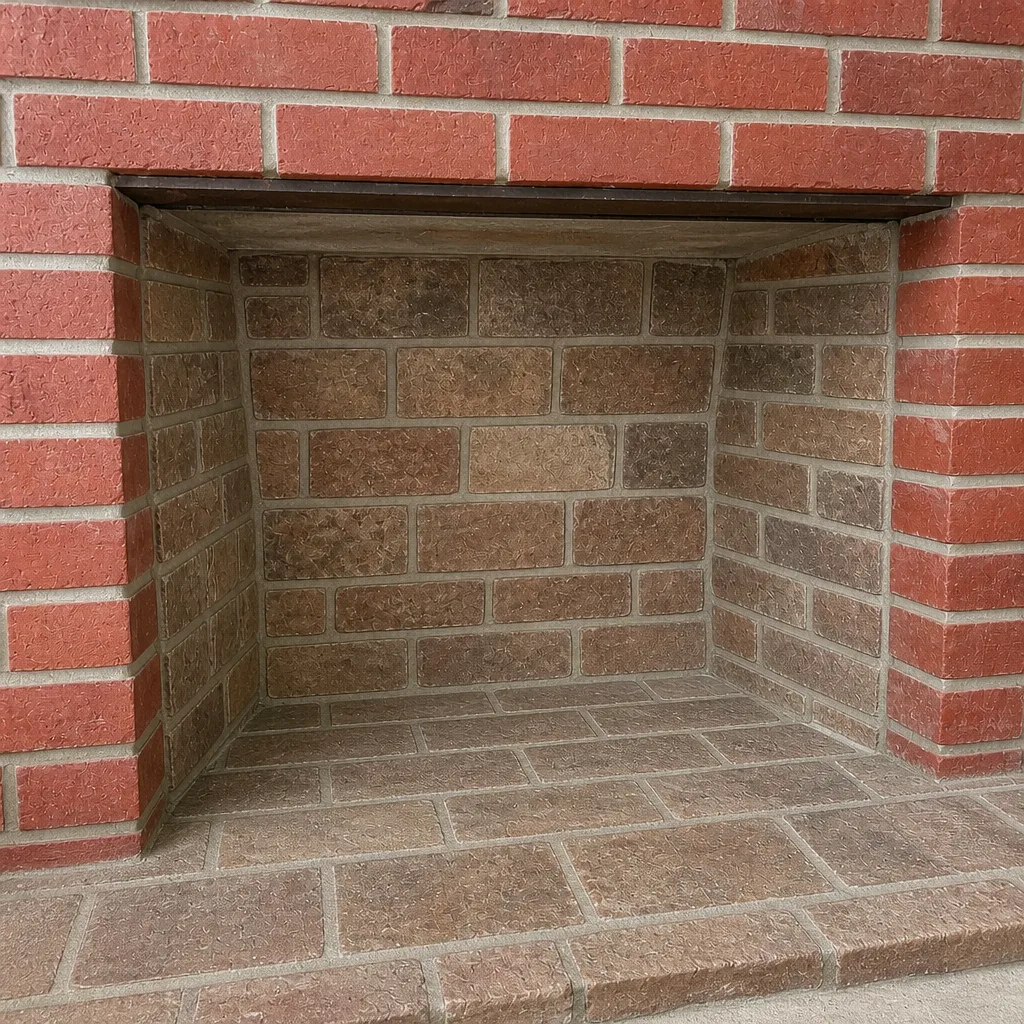 After
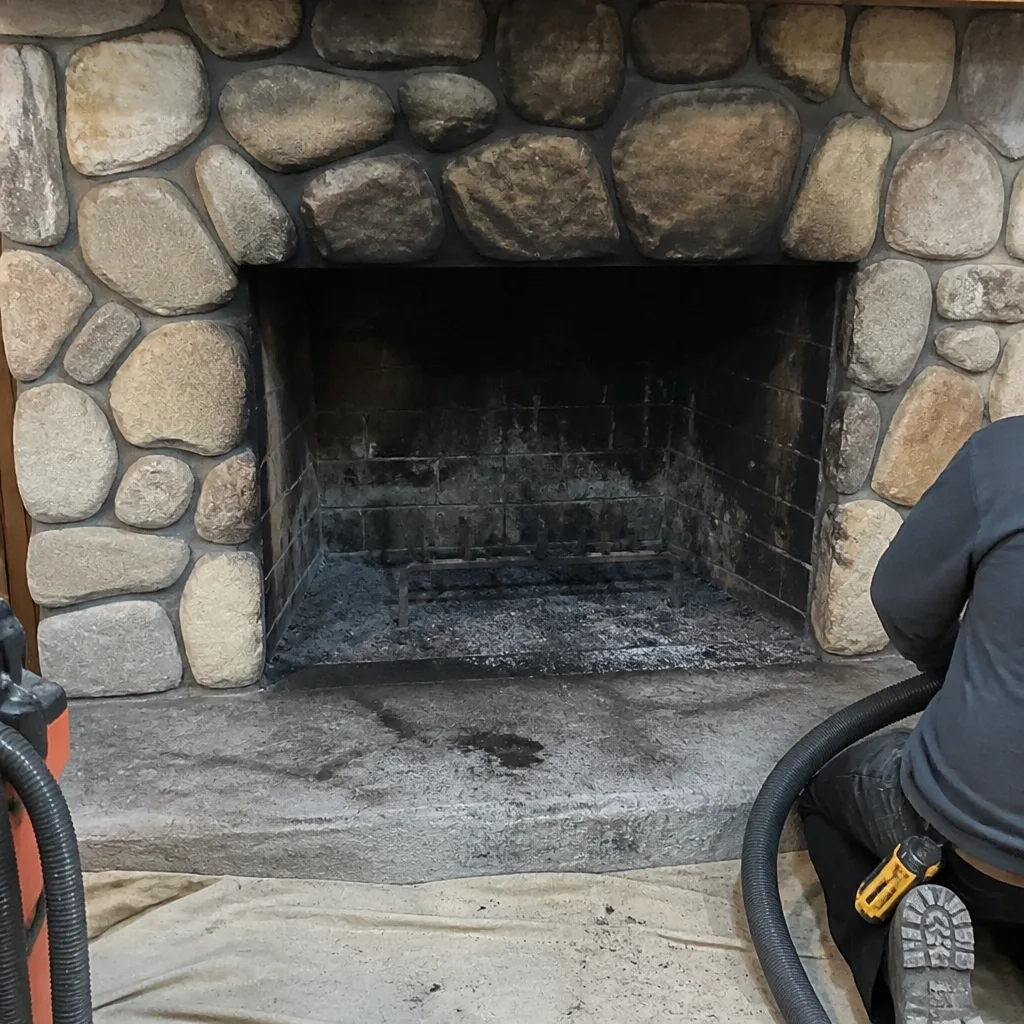 Before
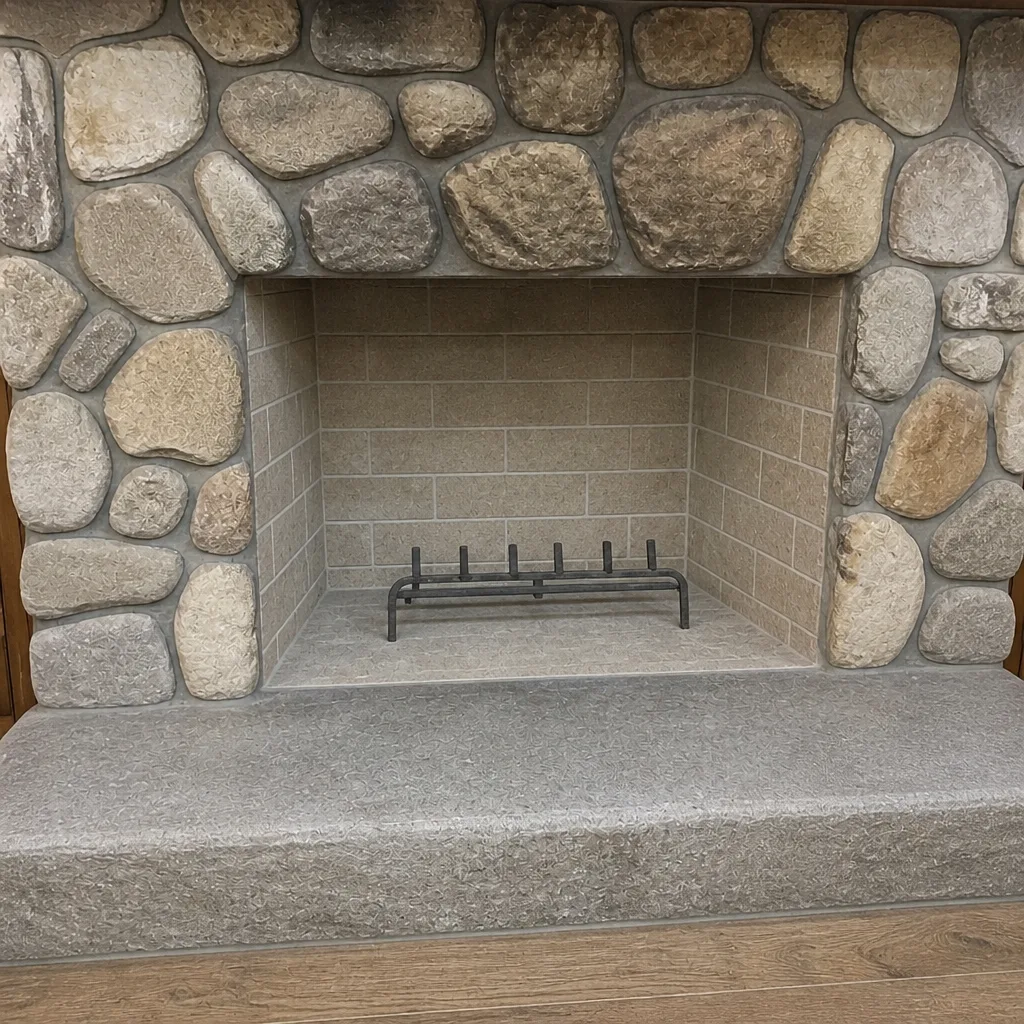 After
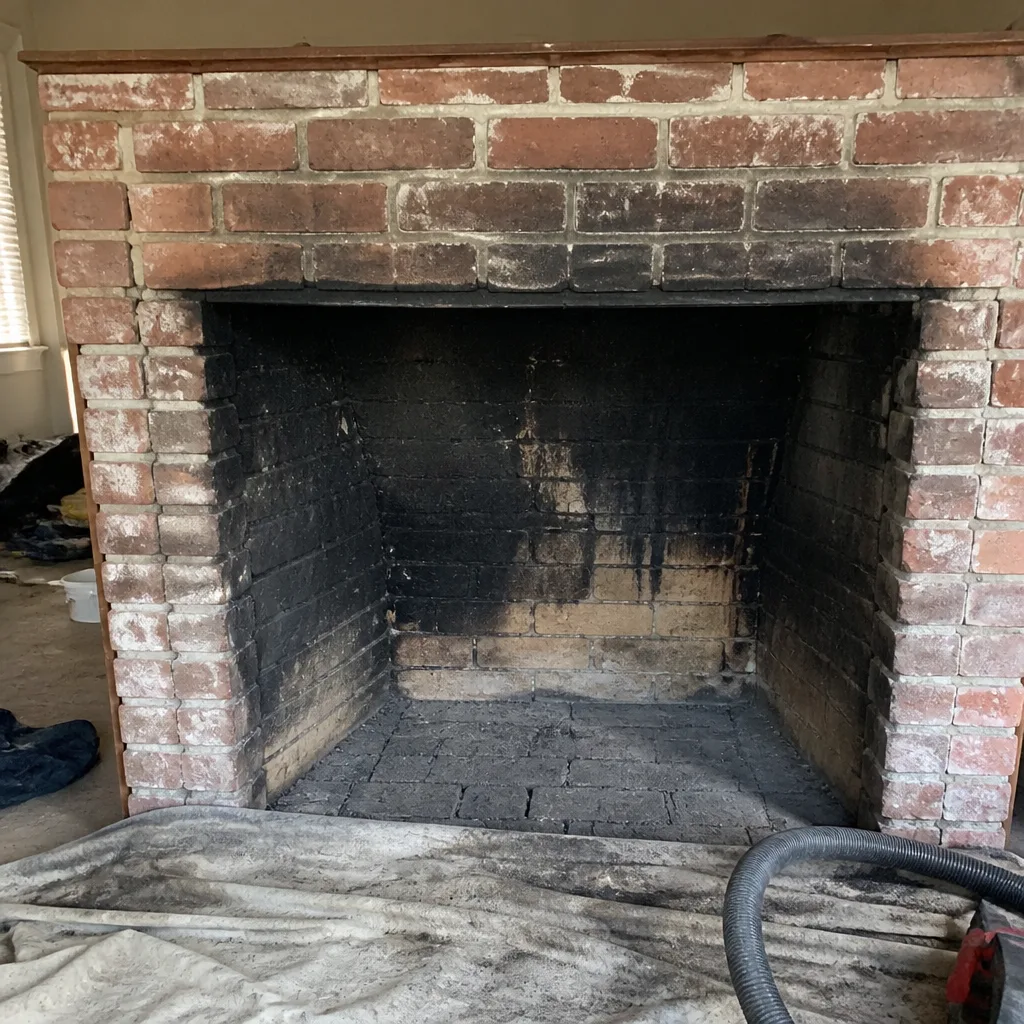 Before
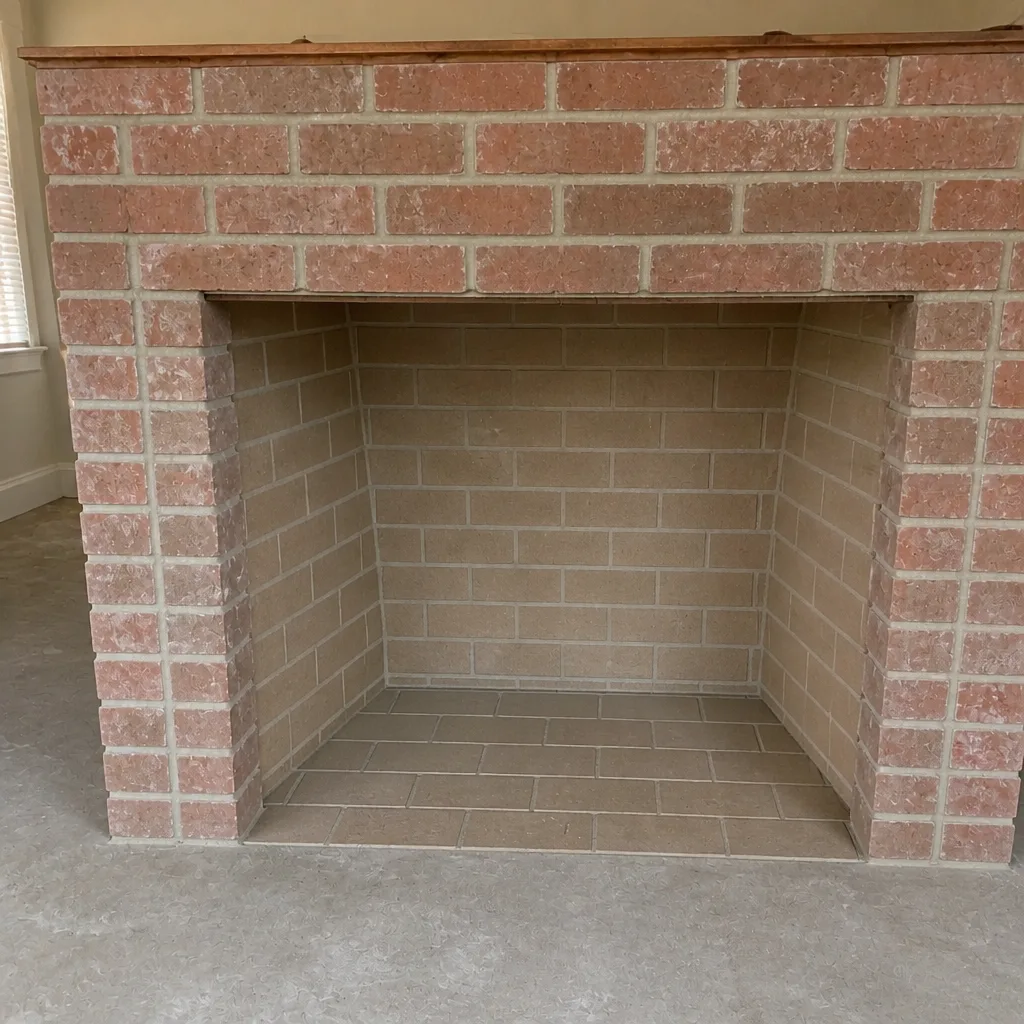 After
When to Call a Professional
Call a professional when the chimney is due for its annual sweep before the first fire of the season, when a home inspection or real estate transaction requires a Level 2 inspection, or when you’ve noticed signs of trouble: draft problems, smoke entering the room, visible creosote, cracked masonry, a failed crown, or a liner that inspection has flagged. Call when a repair has been recommended and you want a second opinion on scope and permit requirements before committing. Call when you’re buying or selling an Anaheim Colony home and need a credible inspection report. Call when you’re not sure whether the work you’ve been told you need actually requires a permit, because that’s exactly the question a chimney-only specialist should answer clearly. Chimney Sweep Anaheim Colony offers free estimates in Anaheim Colony, and we’re glad to walk through the scope, the code, and the permit question before anything is scheduled. Call (833) 482-6032. We answer 24/7. Fast dispatch from 7am to 7pm, Sunday through Friday.
Frequently Asked Questions
No. Routine chimney cleaning and sweeping do not require a permit in Anaheim Colony or anywhere in California. A sweep removes creosote and debris and doesn’t change the chimney’s structure. Permits apply to repair and modification work, such as relining, rebuilding a crown, or altering the chimney. Call (833) 482-6032 for an exact quote on a sweep; estimates are free.
Chimney work in Anaheim typically requires a permit when it involves structural repair or modification: relining a flue, rebuilding a crown, replacing masonry, altering chimney height, or installing a new chimney. Minor maintenance such as sweeping, cleaning, and small like-for-like replacements generally doesn’t. The specific scope determines the requirement, so confirm with the City of Anaheim building department before work begins. We can help you define the scope so the question has a clear answer. Call (833) 482-6032 for an exact quote; estimates are free.
A Level 1 inspection is a visual check of the readily accessible portions of the chimney, done alongside a routine sweep. A Level 2 inspection is more thorough, includes accessible interior and exterior portions, and may use video scanning; it’s required for real estate transactions, after a chimney fire, and when a new appliance is installed. A Level 3 inspection goes further when a hazard requires access to concealed areas. Call (833) 482-6032 to book the right level; estimates are free.
Unpermitted work can affect insurance because it leaves no independent verification that the work was done to code. If a claim arises from the chimney, the absence of a permit and inspection sign-off can complicate the claim. It doesn’t automatically void coverage, but it removes the documentation that supports your position. Permitted work with a closed permit gives you that documentation. Call (833) 482-6032 to talk through scope and permit requirements; estimates are free.
In many cases a deteriorating liner can be restored rather than replaced. HeatShield liner restoration can resurface a damaged liner and avoid the cost and disruption of a full reline, though it isn’t appropriate for every situation. A proper inspection determines which option applies, and we’ll tell you plainly when restoration isn’t the right answer. Nothing is recommended without inspection evidence you can see for yourself. Call (833) 482-6032 for an exact quote; estimates are free.
Most wood-burning chimneys benefit from an annual sweep, timed before the first fire of the season. Anaheim Colony’s mild climate means chimneys here don’t face the same moisture and freeze-related stress as colder regions, but creosote still accumulates with use and the flue still needs regular inspection. A sweep combined with a Level 1 inspection once a year is the standard. Call (833) 482-6032 to schedule; estimates are free.
The risks are specific. Creosote accumulates with every fire, and at sufficient concentration it can ignite, which is a chimney fire. Separately, a damaged flue or a blocked chimney can cause carbon monoxide to vent into the home instead of outdoors. Skipping maintenance doesn’t create a problem immediately; it lets one develop out of sight. A sweep and inspection catch both issues before they become active hazards. Call (833) 482-6032 for an exact quote; estimates are free.
The Bottom Line
The line between a sweep and a repair is the line between maintenance and code. Sweeping doesn’t require a permit, and it never will. Repairing, relining, or modifying a chimney can require a permit from the City of Anaheim, and unpermitted work creates problems that surface at resale and in insurance claims. NFPA 211 defines the inspection levels, and a Level 2 is what most real estate transactions require. When a repair is on the table, ask who’s pulling the permit and what documentation you’ll receive. If the answer is vague, get another opinion. That’s the whole guide in one sentence: know where the line is before the work starts, not after.
If you’re in Anaheim Colony and want a clear picture of your chimney’s condition, or you’re facing a repair and want to understand the permit question before committing, call (833) 482-6032 for a free estimate. We answer 24/7. Fast dispatch from 7am to 7pm, Sunday through Friday. We’re chimney-only specialists, and we’ll tell you what we see, what it means, and whether a permit is likely, in plain terms, before anything gets scheduled.
Written by the team at Chimney Sweep Anaheim Colony.