
Last updated November 25, 2026
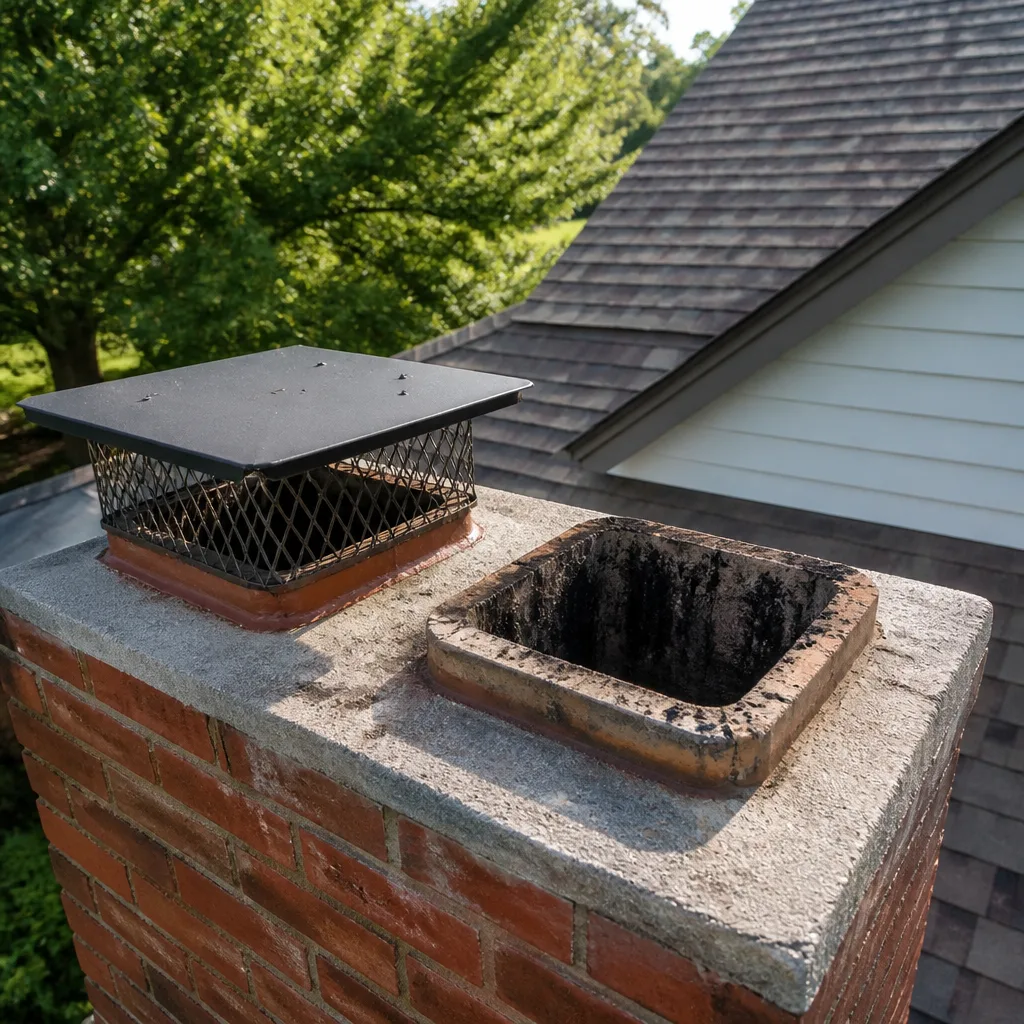 Sweep & inspection
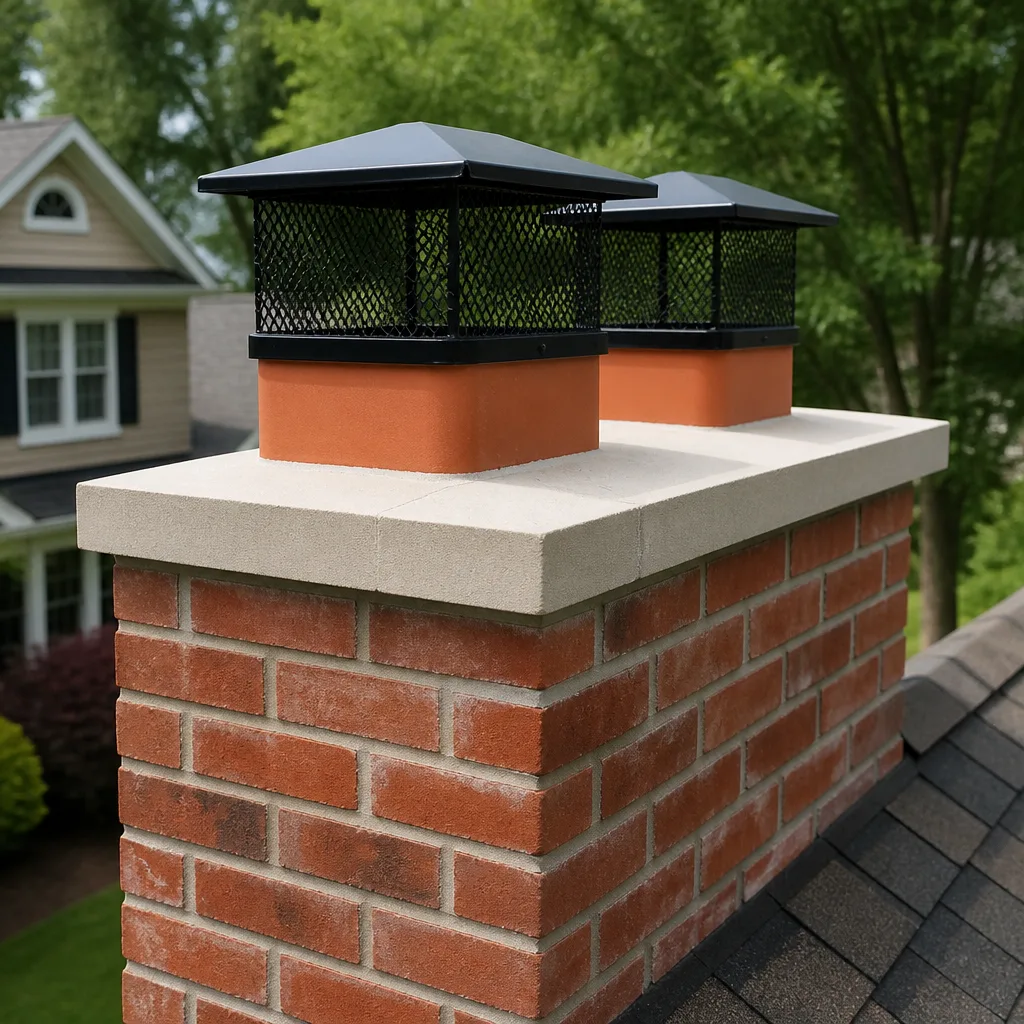 Caps & crowns
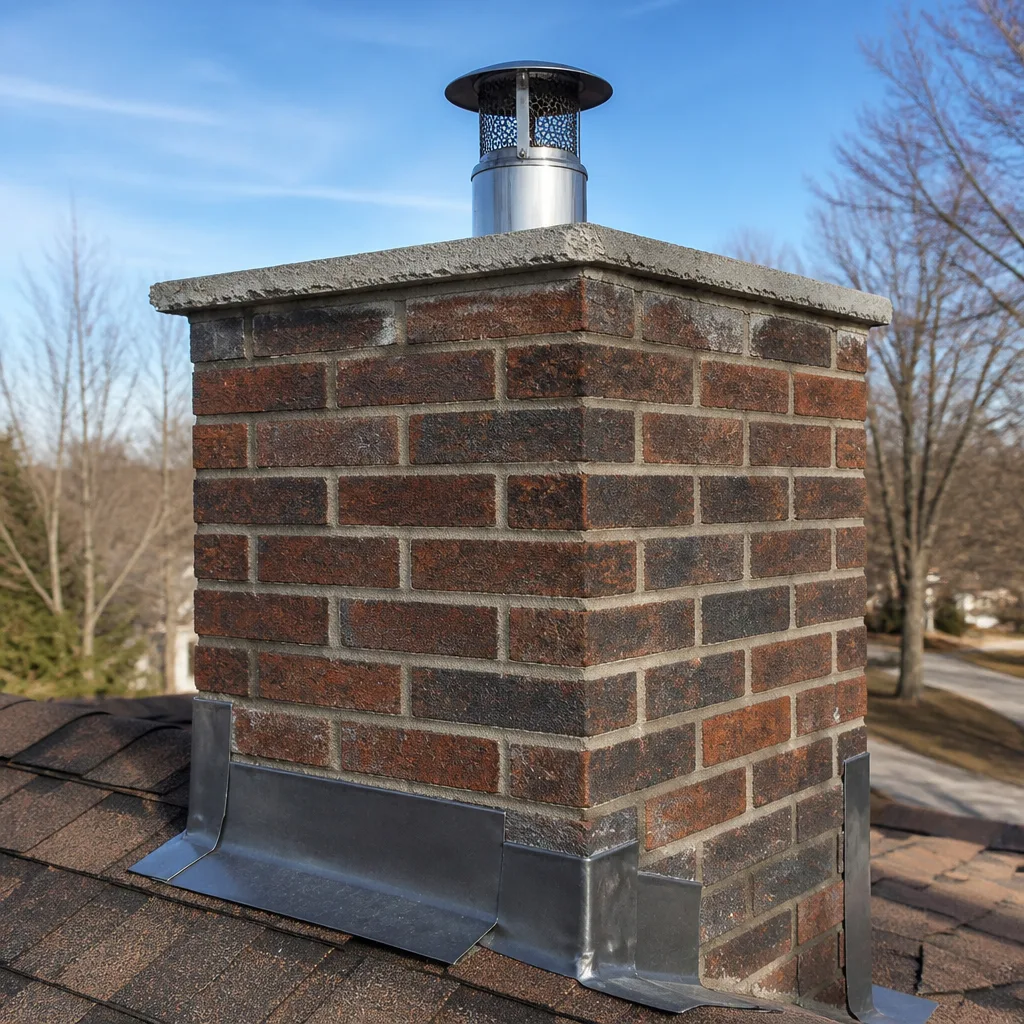 Flue relining
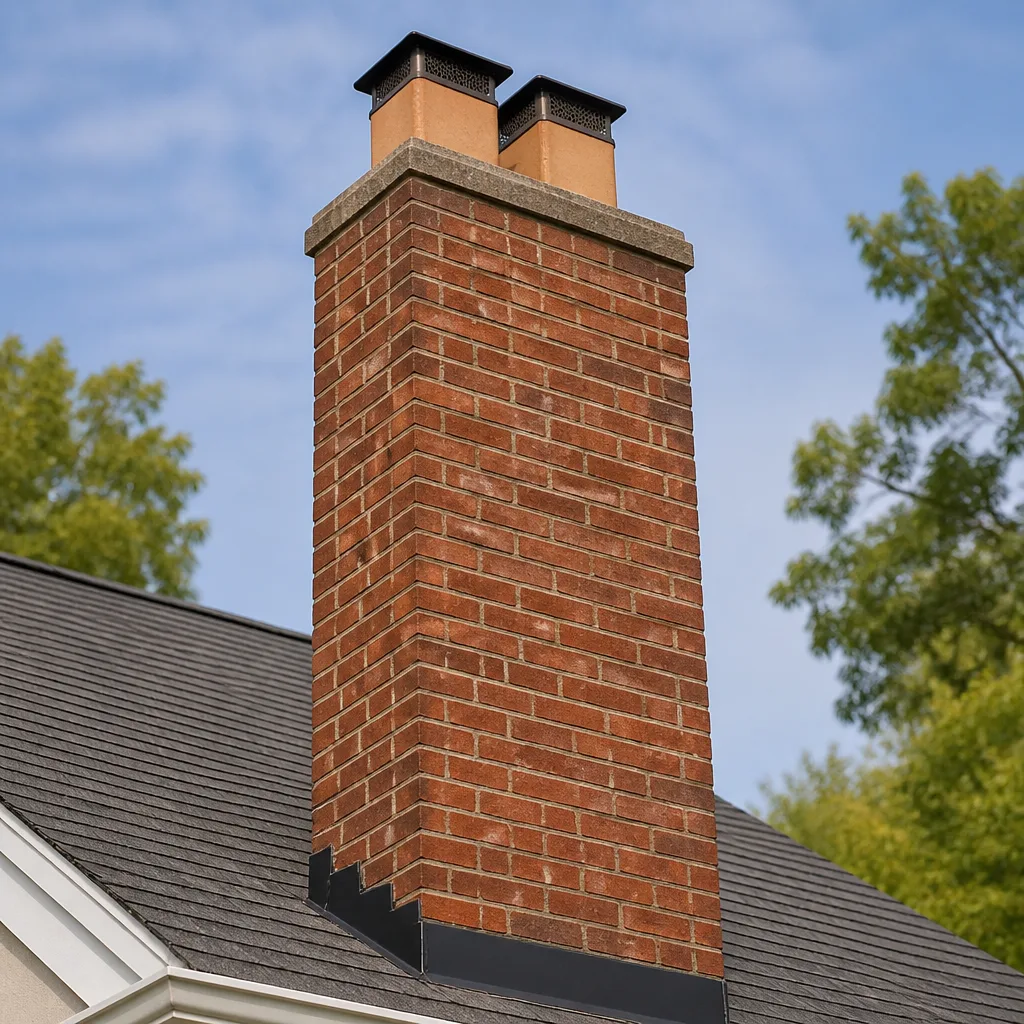 Masonry repair
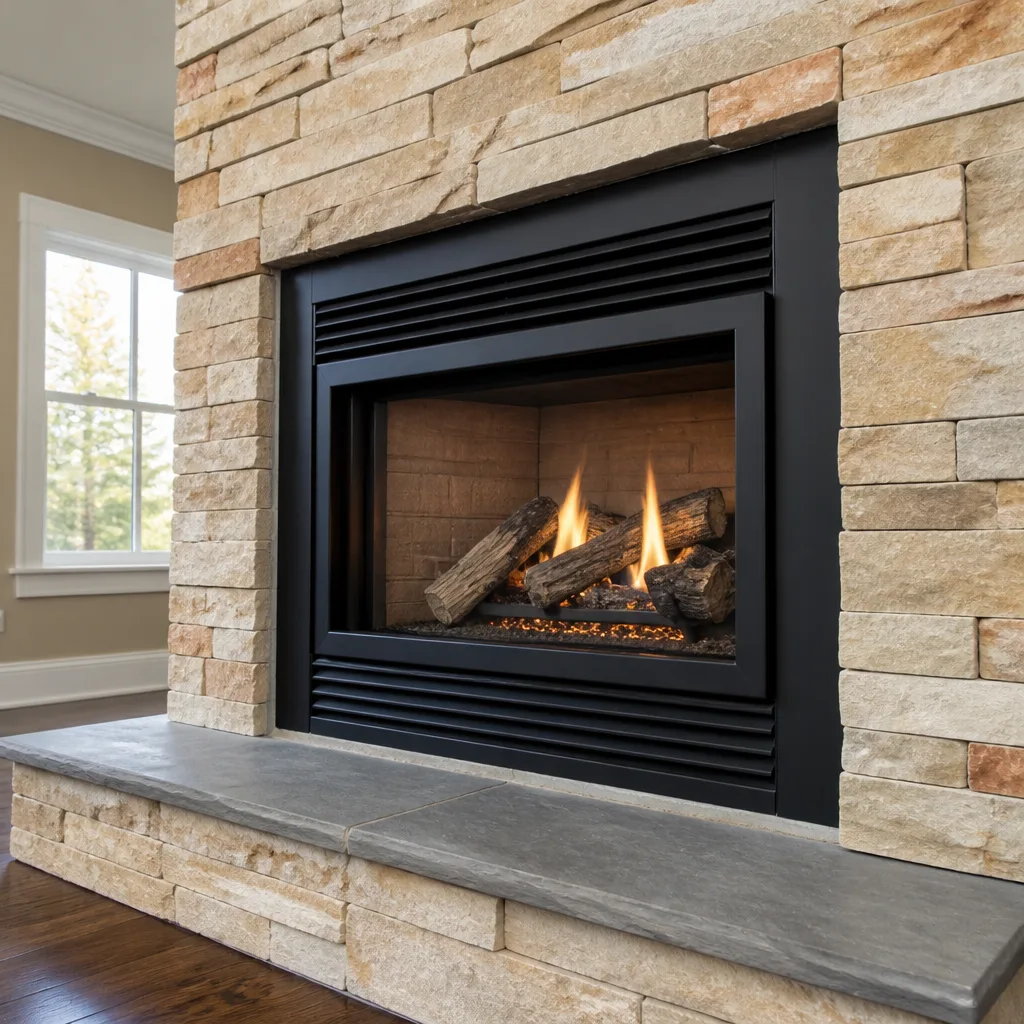 Gas fireplace service
Level 1 sweep and inspection to the NFPA 211 annual standard - flue, crown, cap, and flashing checked and photographed
Chimney sweep logs do not sweep chimneys. They loosen some creosote - which then falls where a brush and vacuum still have to collect it.
DIY vs Professional Chimney Cleaning: The Anaheim Colony Homeowner’s Decision Guide
You can buy a chimney brush kit for $40 and clean your own flue. The question isn’t whether you can. It’s whether a brush-only cleaning on an uninspected chimney is actually making your fireplace safer, or just making it look like you did. In Anaheim Colony, where mild winters mean fireplaces sit unused for months and then get worked hard through the cooler stretch, that distinction matters more than it sounds. This guide walks through what a DIY sweep can genuinely accomplish, where it quietly falls short, what equipment a real attempt requires, and when paying a professional is the honest answer. Not a sales pitch. A decision framework.
Quick Answer
DIY chimney cleaning can remove loose soot and light creosote from an accessible flue, but it can’t identify stage-two or stage-three creosote, can’t verify liner condition, and can’t safely handle a roof with a steep pitch or loose shingles. Professional cleaning in Anaheim Colony covers those gaps because the sweep is also an inspection: the technician sees the inside of the flue with a camera, checks the cap and crown, tests draft, and gives you a written condition report. If your chimney hasn’t been inspected in the last year, or you’ve never burned in it, DIY cleaning alone isn’t a substitute.
Styles & brands we work with
- Sweep & inspection
- Caps & crowns
- Flue relining
- Masonry repair
- Gas fireplace service
Table of Contents
- What DIY Cleaning Can and Can’t Accomplish
- Roof Access and Safety on Anaheim Colony Roof Pitches
- What Equipment a Legitimate DIY Attempt Actually Requires
- When DIY Is a Reasonable Maintenance Step
- When DIY Is Genuinely Inadequate
- What a Professional Sweep Does That Has Nothing to Do With the Brush
- How the Costs Actually Compare in Anaheim Colony
- Before You Light the First Fire of the Season
What DIY Cleaning Can and Can’t Accomplish
A chimney brush removes what’s loose. That’s the honest summary. Soot, ash, and the soft powdery creosote that forms with regular hot fires comes off the flue walls with a stiff-bristled brush on fiberglass rods. If that’s the only thing in your chimney, a DIY sweep does the job. The problem is you don’t know whether that’s the only thing in your chimney until you look down it with a light and inspect what comes off the brush.
Creosote comes in three recognizable stages. Each one behaves differently and each one calls for a different response:
- Stage one: Soft, flaky, dusty. Brushes off easily. Common in chimneys burned hot and often. DIY can handle this.
- Stage two: Crusty, brittle, sometimes shiny. Brushes off with effort but can flake and hide in joints and offsets. Harder to remove completely without rotary tools.
- Stage three: Glazed, hardened, fuel-rich coating. Resists a brush entirely. Requires chemical treatment or rotary cleaning, and often points to a draft or burn-temperature issue that needs diagnosis.
What DIY cannot do is tell you which of those you’re looking at. You can scrape a sample off the flue wall and it might look soft in one spot and hard three feet down. A brush-only cleaning pushes stage-two residue around without fully addressing it and does nothing to stage-three coating. That’s why the Chimney Sweep Anaheim Colony approach pairs every sweep with a visual and camera inspection: the point is to know what came out and what stayed.
DIY also can’t spot a cracked flue tile, a broken mortar joint, or a warped damper. Each of those conditions affects how safely your fireplace burns, and none of them show up in a brush.
Roof Access and Safety on Anaheim Colony Roof Pitches
Most chimney cleaning happens from the roof, top-down. That means walking across the roof, positioning near the chimney, and working with a brush and rods for thirty to sixty minutes. On a low-slope, walkable roof in good repair, that’s a manageable task for a careful homeowner. On a steeper pitch, or a roof with older shingles, or one that gathers morning dew into a slick surface, the equation changes fast.
Anaheim Colony is an older neighborhood with a wide mix of roof profiles. Some homes have a low, gentle pitch; others have enough steepness that a fall would be serious. The variables that matter most for roof safety aren’t the ones a brush kit shows you:
- Pitch: Walkable roofs are typically at or below a modest incline. Beyond that, traction drops quickly.
- Surface condition: Aged composition shingles or tile that’s lost its grip are a hazard even at lower pitch.
- Weather: Any moisture on the roof, including morning dew, makes footing uncertain. Mild Anaheim Colony mornings can leave a roof slicker than it looks from the ground.
- Anchoring: A proper roof harness system tied to a stable point. Without one, any slip becomes a fall.
- Access path: How you get up there and where you set the ladder. Ladder failures account for a real share of home injuries.
If you have any hesitation about your roof, that’s the signal. A homeowner who’s not confident on the roof shouldn’t be up there with a brush and rods. The cleaning itself can wait or be handed off. A fall cannot.
What Equipment a Legitimate DIY Attempt Actually Requires
The brush-and-rod kits sold at hardware stores cover the basics but not the whole job. Here’s what a genuinely complete DIY sweep involves compared to what the average homeowner kit contains.
What a basic kit gives you
- One stiff polypropylene or wire brush sized to your flue
- Fiberglass or nylon rods that screw together
- A hand-crank or drill adapter
- Sometimes a small mirror and a plastic drop cloth
What a complete DIY attempt also needs
- A flue-sized brush: Round brush matched to the flue’s inside dimension. Too small leaves residue; too large won’t turn.
- A proper drop cloth sealed at the firebox: Not a towel, not a sheet of plastic taped loosely. A sealed cloth keeps soot inside the firebox instead of drifting into the room.
- A strong flashlight and hand mirror: For a visual pass down the flue before and after the brush.
- A respirator: Soot and creosote particles are fine enough to reach deep lung tissue. A dust mask is not enough.
- Safety glasses and gloves: Non-negotiable.
- A roof harness and ladder stabilizer: If working from the roof.
- A HEPA vacuum: For the inevitable spill, and to clean up the firebox afterward.
- A rotary whip or drill brush: For any hardened creosote the straight brush won’t move.
Add that list up and you’re past what the $40 kit promised. The bigger cost isn’t money, though. It’s that a homeowner can have every one of those tools and still not know what to do if the brush comes back with a glazed sample or the camera shows a cracked tile.
When DIY Is a Reasonable Maintenance Step
There are real situations where a DIY sweep is a sensible maintenance move, and pretending otherwise would be dishonest. DIY works well when the chimney meets a specific set of conditions:
- You know the chimney’s baseline condition. A professional inspection was done recently and confirmed clean flue tiles, intact liner, and no structural issues.
- You’ve burned at least a cord and less than a season since the last sweep. Soot volume is modest and the creosote stage you’d expect is low.
- You burn seasoned wood, not green or overly resinous wood. Burn quality drives creosote formation more than anything else.
- Your roof is low-pitch, dry, and in good repair. No safety question about being up there.
- You’re sweeping as routine upkeep between professional visits. Not as a replacement for the annual inspection.
In those conditions, a top-down brush sweep removes the loose soot, you clean out the firebox, and you’re back to a clean chimney. The DIY sweep functions as interim maintenance, not as the annual service. The chimney sweep that keeps a fireplace safe across a season is the one that includes inspection and a written condition record. Book that once a year, sweep in between if you want.
If any of those five conditions is missing, DIY stops being a reasonable step and starts being a guess.
When DIY Is Genuinely Inadequate
DIY is inadequate whenever it would leave a condition undetected that could affect safety. In our experience, the situations where that happens most often are also the ones where a homeowner is most likely to reach for a brush kit as a shortcut:
- You’ve never had the chimney inspected. A brush can’t tell you if the flue liner is intact. A liner with a gap lets combustion gases into the structure of the house.
- You’ve had a chimney fire. Even a small one can crack tiles and warp metal. A sweep alone won’t find the damage.
- You’ve burned green or unseasoned wood. Stage-two and stage-three creosote build faster, and a brush doesn’t fully address either.
- You’ve seen glazed creosote. Brush contact bounces off the surface. Rotary cleaning or chemical treatment is what’s needed.
- There’s a smell in the house when the fireplace isn’t burning. That often points to a draft problem, a cracked flue, or a failed cap gasket, none of which a brush addresses.
- The chimney has an offset, a damper that doesn’t open fully, or a top-sealing damper. Brush access is compromised and equipment needs to change accordingly.
- You’re a home buyer or seller. A DIY sweep doesn’t produce the inspection report a transaction needs. Credible reports come from a professional assessment aligned with NFPA 211 standards.
The common thread is that DIY is fine when you already know the chimney is sound, and inadequate whenever you don’t. If you’re not certain, the honest answer is that the sweep should be professional, not the workaround.
What a Professional Sweep Does That Has Nothing to Do With the Brush
This is the part of the visit most homeowners don’t see from the outside, and it’s the reason the visit costs more than a brush kit. A professional sweep in Anaheim Colony during a typical service call:
- Sets up protection. Drop cloths sealed at the firebox, HEPA vacuum running, shoe covers. The house stays clean.
- Inspects before brushing. Flashlight and mirror first, sometimes a camera. The technician notes creosote stage, soot volume, and any obvious damage before anything gets moved.
- Sweeps with the right brush and rotary tools. Matched to the flue, and adapted if the visual pass found harder creosote than expected.
- Runs a camera down the flue. Photographs tile condition, mortar joints, liner seams, damper operation, and the smoke shelf. You see what the technician sees.
- Checks the firebox and smoke chamber. Cracks in firebrick, gaps in mortar, warped dampers, and damage to the smoke shelf all get flagged.
- Goes outside and up top. Cap condition, crown cracks, spark arrestor mesh, and chimney height relative to the roofline.
- Tests draft. Confirms the chimney is pulling correctly under a controlled burn or test light.
- Writes a report. A condition record you can reference next season, share with an insurer, or hand to a buyer’s agent.
The brush is one tool out of that sequence. The rest is the part that makes a cleaning valuable, and it’s the part you can’t replicate yourself with a kit and a ladder. It’s also the reason a chimney-only specialist is different from a general handyman who sweeps chimneys on the side. Every technician on-site is a chimney professional, not someone cross-trained across unrelated trades.
When that inspection surfaces a deteriorating flue liner, the conversation isn’t automatically about full replacement. HeatShield liner resurfacing is an option that rebuilds a deteriorating liner from the inside out in many cases, and it’s the kind of decision that needs a real inspection to make responsibly. Whether the answer is resurfacing, a DuraFlex flexible liner, or simply a clean and a note to check again next year, the recommendation comes from what the camera showed, not from what the calendar says.
How the Costs Actually Compare in Anaheim Colony
Comparing DIY and professional cleaning fairly means counting the whole cost of each, not just the ticket at the register. A basic brush-and-rod kit runs around $40 to $90. A rotary whip attachment and drill adapter adds another $50 to $120 if the creosote is harder than expected. Add a respirator, safety glasses, a HEPA vacuum, and a drop cloth and you’re looking at roughly $200 to $350 in equipment, much of which you may not use again for a year. A roof harness, if you don’t own one, runs more than the whole cleaning.
A professional cleaning in the Anaheim Colony market typically runs in the range of $180 to $350 for a standard sweep and inspection, depending on the number and configuration of flues, the creosote condition, and whether the visit includes an inspection report. That’s a typical estimate, not a quote; the written estimate you get before booking sets the final price. Here’s the comparison laid out:
| Item | Typical DIY Cost | Typical Professional Cost |
|---|---|---|
| Brush and rods | $40 to $90 | Included |
| Rotary whip / drill adapter | $50 to $120 | Included |
| Respirator, glasses, gloves | $40 to $80 | Included |
| HEPA vacuum and drop cloth | $80 to $150 | Included |
| Roof harness (if needed) | $100 to $250 | Included |
| Camera inspection | Not available | Included |
| Written condition report | Not available | Included |
| Typical per-visit range | $200 to $500+ in equipment | $180 to $350 |
The equipment you buy is reusable, so year over year the math tilts if you’re doing several DIY sweeps for the cost of one kit. The camera inspection and the report don’t come with the kit at any price, though, and those are the outputs that matter when something’s wrong. That’s the tradeoff a homeowner is really making.
Before You Light the First Fire of the Season
Whatever cleaning path you choose, the run-up to the first fire of the season is the moment to act. In Anaheim Colony, fireplaces sit idle through the warm months, which is exactly when creosote accumulates quietly, when the cap takes weather, and when small cracks in the crown get larger. The first fire brings any of those to life at once.
Whether your routine is a professional sweep or a DIY brush in between visits, the sequence at the start of the season shouldn’t change:
- Look up the flue with a flashlight. Any visible glazed or crusty creosote means it’s not a DIY-only job.
- Check the firebox. Cracks in firebrick, missing mortar, or a damper that won’t open smoothly are reasons to call before burning.
- Walk the exterior. Cap intact, mesh in place, crown free of new cracks, no birds or debris visible.
- Book the inspection. Even if you plan to sweep yourself, one professional inspection a year is what keeps the DIY sweep honest.
- Burn seasoned wood, hot fires. Whether or not you DIY, how you burn is the biggest factor in what accumulates.
Every one of those steps is about knowing the condition of the chimney before you put a flame under it. The cleaning is how you get the residue out. The inspection is how you know the cleaning is enough.
Common Mistakes to Avoid
- Buying the kit and skipping the visual pass. The brush is half the equipment. If you don’t look down the flue with a flashlight before and after, you’re sweeping blind.
- Assuming a clean-looking firebox means a clean flue. The visible firebox tells you almost nothing about the flue two stories up. In Anaheim Colony’s older homes, the flue is often the part that needs attention.
- Sweeping a chimney you’ve never had inspected. The first cleaning on an unknown chimney should be professional, not DIY. A brush can’t find damage it can’t see.
- Working on a wet or slick roof. Anaheim Colony’s mild mornings can leave a roof deceptively slick. If it’s damp, don’t climb.
- Using a brush that doesn’t match the flue dimension. Undersized leaves creosote behind; oversized can damage tile. The brush has to be sized to the flue inside dimension, not to what’s on the shelf.
- Ignoring glazed creosote. A brush bounces off stage-three coating. If the deposit feels hard and shiny, the job isn’t a brush job.
- Treating the sweep as the whole job. Cleaning without inspection is only half the visit. For real peace of mind, the inspection report is the point.
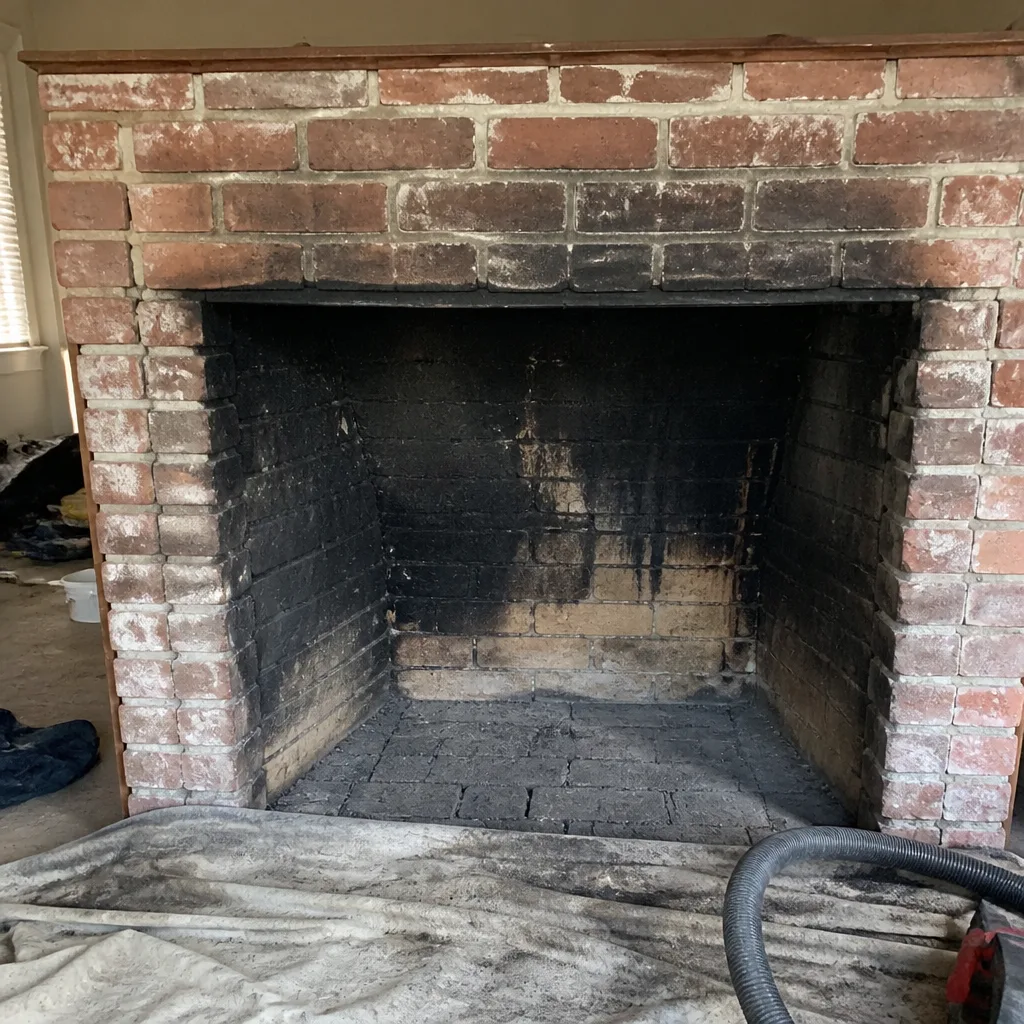
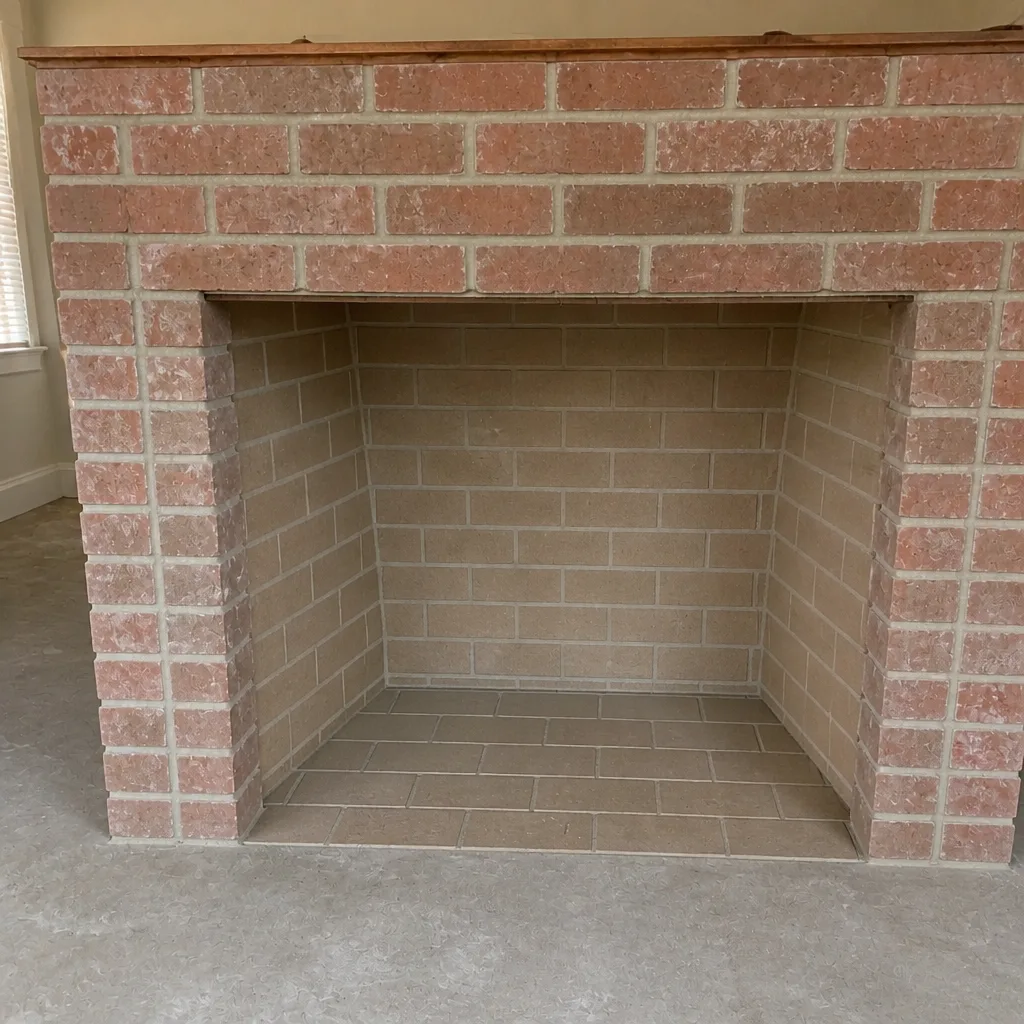
See the difference
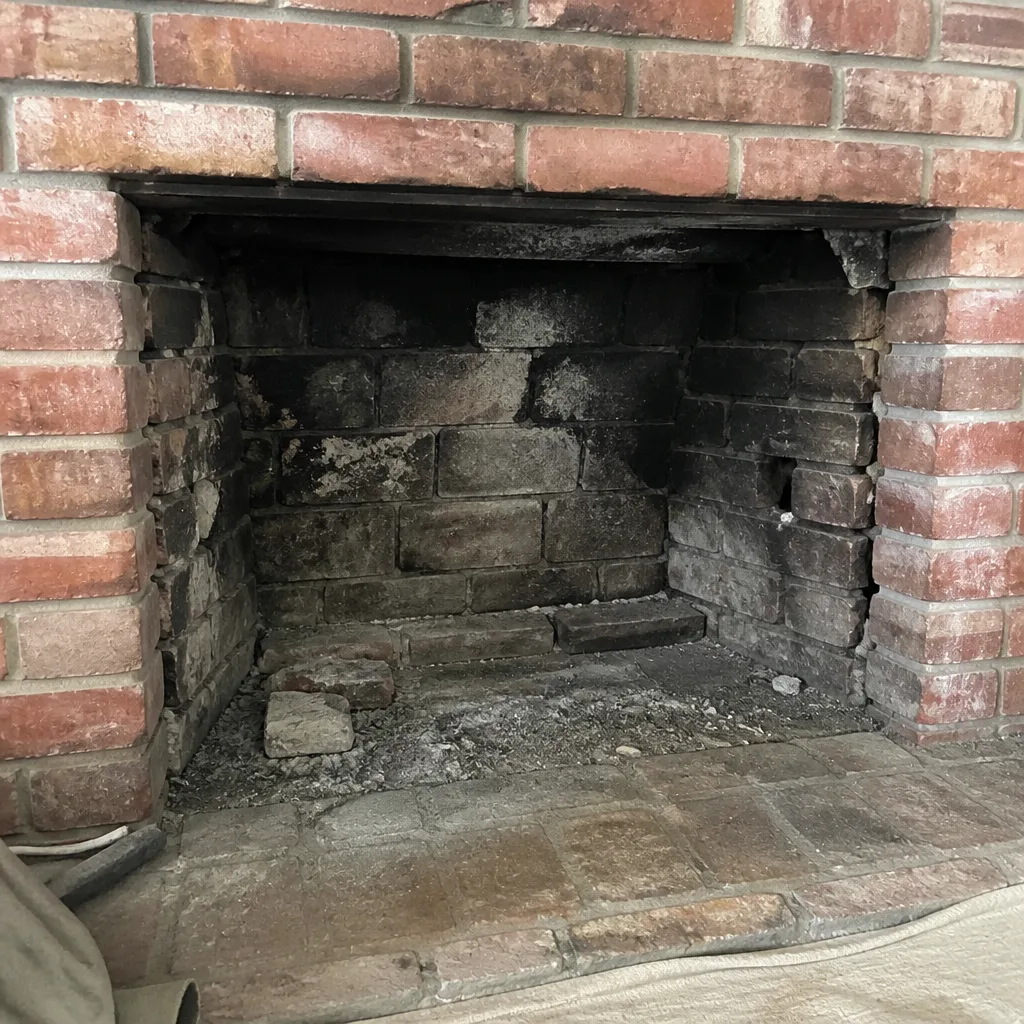 Before
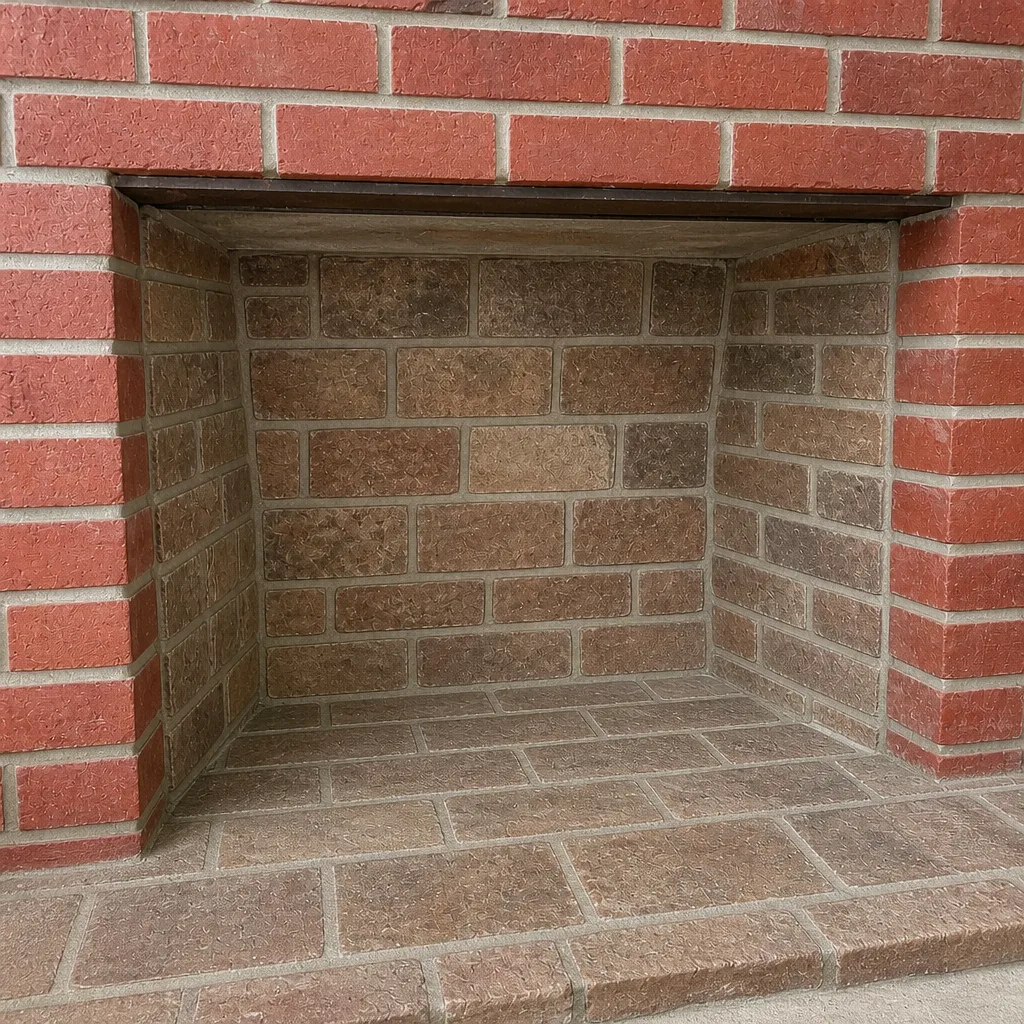 After
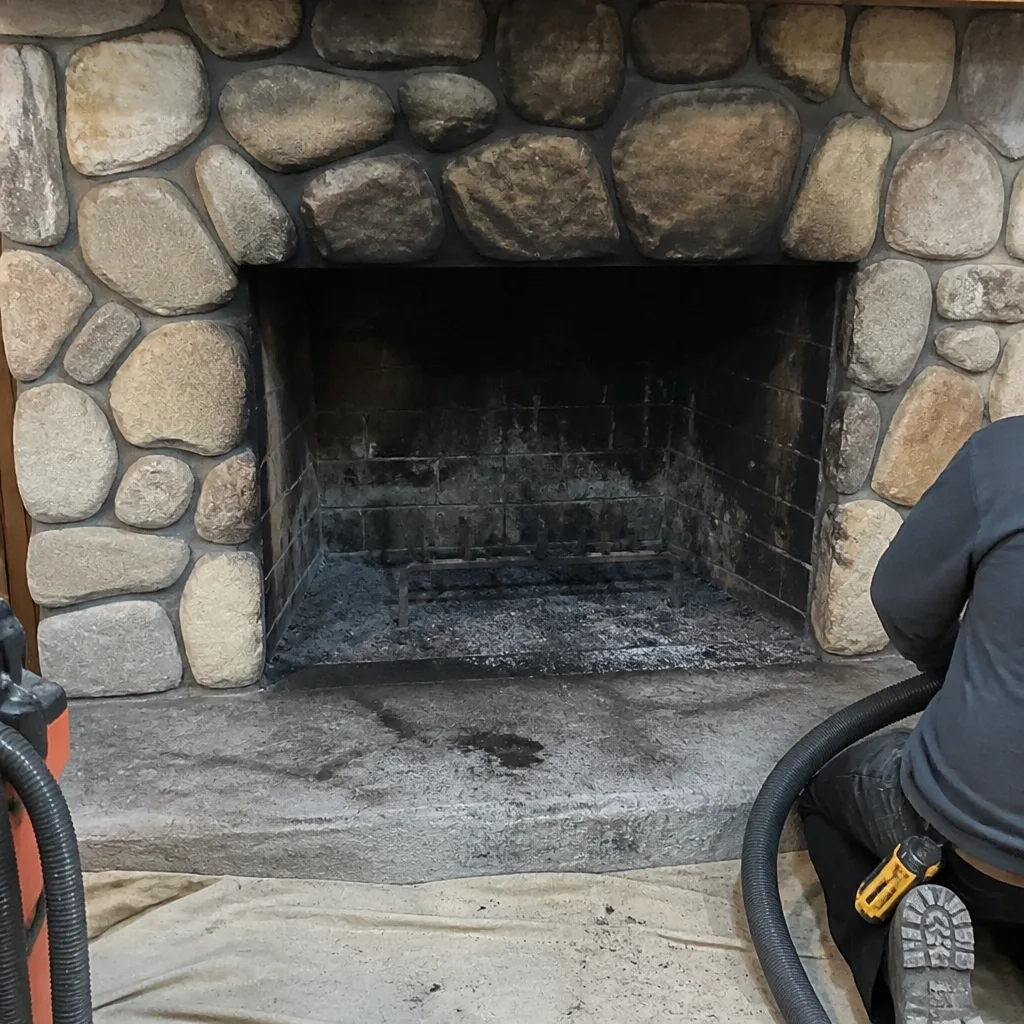 Before
 After
 Before
 After
When to Call a Professional
Call a professional chimney sweep in Anaheim Colony whenever any of the following is true: you’ve never had the chimney inspected, you’ve had a chimney fire, you’ve seen glazed or crusty creosote, there’s a smell in the house when the fireplace isn’t burning, your roofline is steep or in poor repair, or you’re buying or selling a home and need a credible inspection report. Those are also the moments when a sweep visit may turn into cap work, liner work, or fireplace repair, all handled by the same specialist rather than subcontracted out. Chimney Sweep Anaheim Colony offers free estimates in Anaheim Colony. Call (833) 482-6032 to book an inspection or a sweep; we answer 24/7 and dispatch is fast, from 7am to 7pm, Sunday through Friday.
Frequently Asked Questions
Yes, you can clean your own chimney if it has been professionally inspected within the last year, the flue is in known good condition, the creosote is light and powdery, and your roof is low-pitch and safe to walk. DIY cleaning works as interim maintenance between professional visits. It is not a substitute for the annual inspection that tells you whether the chimney is safe to use.
A professional chimney sweep in Anaheim Colony typically runs $180 to $350 for a standard sweep and inspection, depending on the number and configuration of flues and the creosote condition found. That’s a typical estimate, and the written estimate you get before booking is what sets the final price. Call (833) 482-6032 for an exact quote; estimates are free.
A DIY sweep removes loose soot with a brush. A professional cleaning removes the same soot plus harder creosote, then inspects the flue with a camera, checks the cap and crown, tests draft, and gives you a written condition report. The brush is one tool in the professional sequence; the inspection and report are what come with the visit that you can’t replicate yourself. You can see a chimney sweep visit as both cleaning and inspection in one call.
Once a year for most homes that burn regularly, and once a year regardless if the fireplace goes unused, because the inspection itself is the point. Anaheim Colony’s mild climate means fireplaces often sit idle for months, which is exactly when cap damage, crown cracks, and small liner issues quietly worsen. Annual service catches them before the first fire of the season.
The sweep will recommend the appropriate treatment, which may be rotary cleaning, chemical treatment for stage-three creosote, or nothing beyond a standard sweep if the deposit is soft. If the deposit points to a draft or burn-temperature issue, that gets addressed too. The recommendation comes from what the inspection found, not from what the calendar says, and the written report lets you verify it before agreeing to any further work.
Yes, and it’s part of what a professional sweep checks in every visit. The cap keeps rain, birds, and debris out; the crown sheds water away from the chimney structure. Anaheim Colony’s weather means both take a beating across the seasons. If either has failed, chimney cap & crown work is the repair, and it’s handled on the same visit as the sweep.
The Bottom Line
DIY chimney cleaning is a legitimate maintenance tool when you already know your chimney is sound, your roof is safe, and the creosote is light. It’s a guess whenever any of those is missing. The honest answer for most Anaheim Colony homeowners is that a professional sweep once a year gives you the cleaning plus the inspection that tells you what’s actually happening inside the flue, and everything else is interim work. Our technicians have up to 10 years of experience, and when a visit turns into liners or liner resurfacing, we work with DuraFlex and HeatShield rather than substitute products. Whether you call or pick up a brush, know the condition of your chimney before you light the first fire of the season.
Ready to book an honest inspection or a sweep in Anaheim Colony? Call (833) 482-6032 for a free estimate. We answer 24/7, and fast dispatch runs 7am to 7pm, Sunday through Friday.
Written by the team at Chimney Sweep Anaheim Colony.