
Last updated November 25, 2026
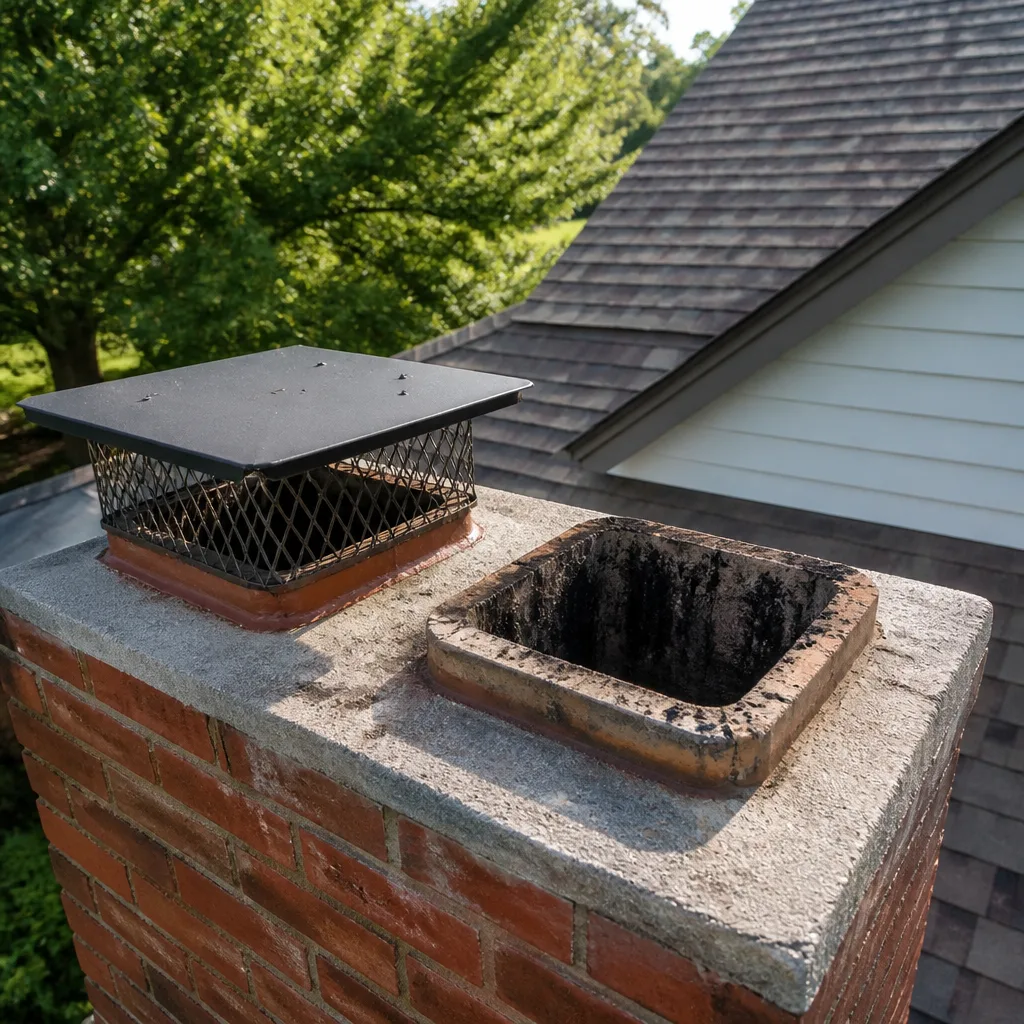 Sweep & inspection
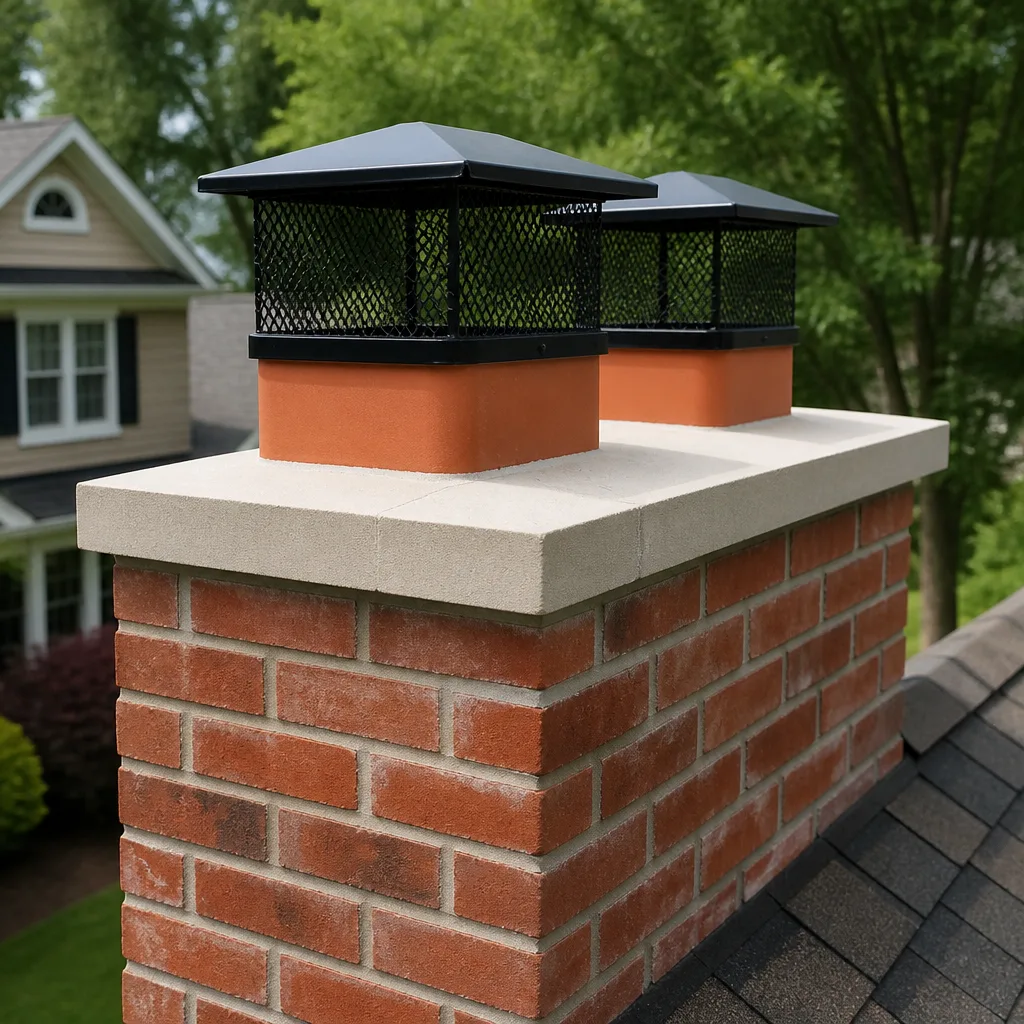 Caps & crowns
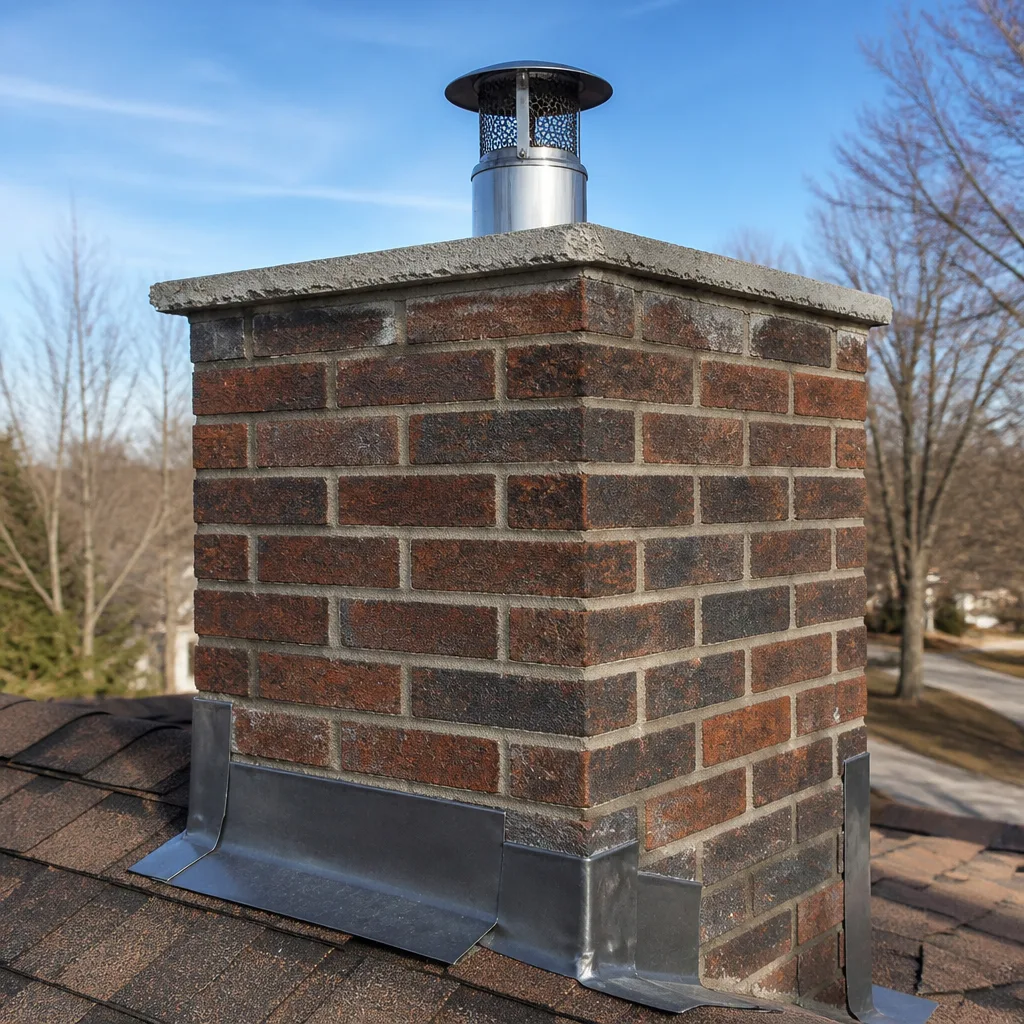 Flue relining
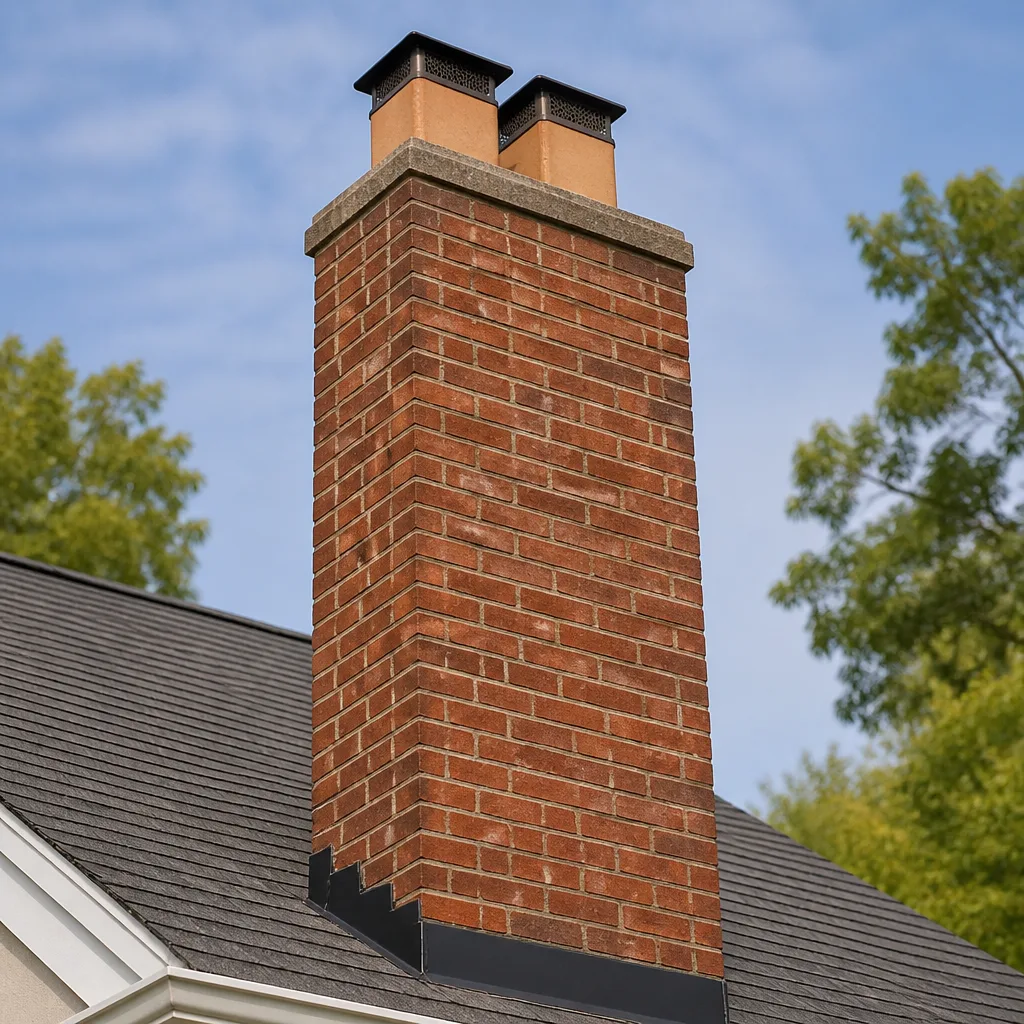 Masonry repair
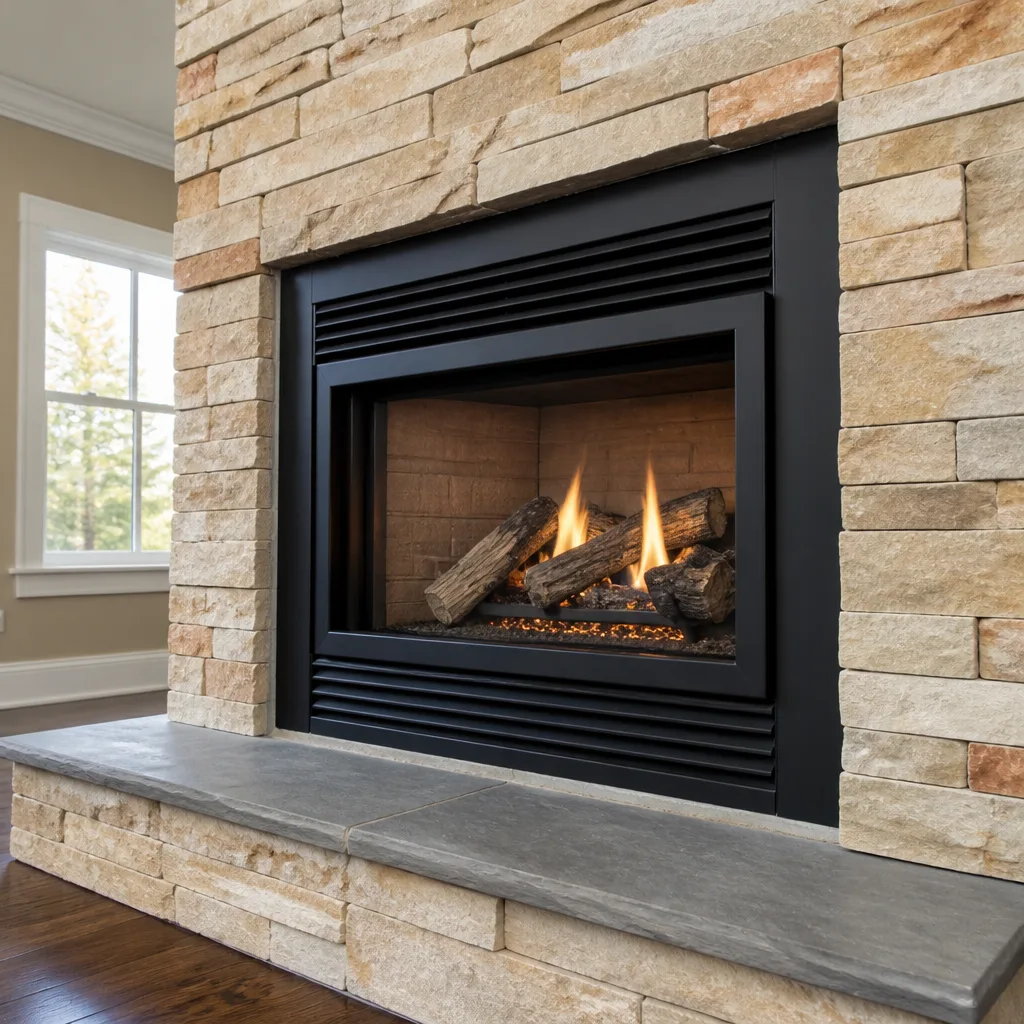 Gas fireplace service
Level 1 sweep and inspection to the NFPA 211 annual standard - flue, crown, cap, and flashing checked and photographed
Chimney sweep logs do not sweep chimneys. They loosen some creosote - which then falls where a brush and vacuum still have to collect it.
Chimney Cleaning Warning Signs: An Anaheim Colony Homeowner’s Reference Guide
The white staining on the outside of your chimney isn’t cosmetic. It’s called efflorescence, and it means water is moving through your masonry in a way that will eventually crack it from the inside out. Most homeowners in Anaheim Colony look at that chalky film and assume it’s paint, mineral dust, or just an old chimney doing old-chimney things. Then they wait. This guide exists because that waiting is the whole problem. You’ll learn what the specific symptoms on Anaheim Colony chimneys actually mean, which ones let you schedule a sweep at your convenience, and which ones mean you stop using the fireplace today. Every sign below is one you can see or smell yourself, without climbing on the roof.
Quick Answer
Chimney cleaning warning signs in Anaheim Colony fall into three groups: exterior masonry symptoms (efflorescence, spalling, crown cracks), interior clues you can check from the firebox (glaze, rust, soot texture), and smell and draft problems (smoke backing up, a fireplace that won’t draw). Efflorescence, minor creosote buildup, and small hairline crown cracks mean schedule a chimney sweep soon. Glazed creosote, a cracked flue liner, crumbling mortar with visible gaps, or smoke entering the room mean stop using the fireplace until a professional inspects it.
Styles & brands we work with
- Sweep & inspection
- Caps & crowns
- Flue relining
- Masonry repair
- Gas fireplace service
Table of Contents
- Exterior Warning Signs: What Your Masonry Is Telling You
- Interior Warning Signs You Can Check From the Firebox
- Smell and Airflow Clues That Point to Draft Problems
- How Anaheim Colony’s Climate Shows Up as Chimney Symptoms
- Stop-Using-the-Fireplace-Now vs. Monitor-and-Schedule
- Creosote Stages and What Each One Means for You
- Your Annual Pre-Season Chimney Checklist
- Common Mistakes to Avoid
- When to Call a Professional
- Frequently Asked Questions
Exterior Warning Signs: What Your Masonry Is Telling You
Walk outside and look at the chimney for two minutes. You don’t need a ladder. What you see from the yard tells you most of what you need to know about whether your masonry is holding water, and water is the slow killer of every chimney in Southern California.
Here’s what each sign means:
- Efflorescence (white chalky staining): Salt deposits pushed to the surface as water moves through the brick. Water is getting in somewhere, traveling through the masonry, and evaporating out the face. That white film is the evidence. It doesn’t mean the chimney is failing yet, but it confirms an active water path, and masonry that stays wet weakens from the inside.
- Spalling (flaking or falling brick faces): The brick face is peeling off in layers or chunks. This is the stage after efflorescence. Water inside the brick expands and pushes the outer face off. If a brick stays spalled long enough, water reaches the interior structure faster. Spalling near the top of the chimney is common because the crown and the brick joints up there take the most weather.
- Crown cracking: The concrete cap at the very top of the chimney. Hairline cracks are common and normal-ish on older Anaheim Colony chimneys. Wide cracks, cracks running the whole width, or a visible tilt mean water is hitting the flue directly. The crown is one job our chimney cap & crown service handles routinely.
- Deteriorated mortar joints: Run your eye along the joints. Crumbly, sandy, or receding mortar means repointing is coming. Joints with visible gaps go in the “call now” column.
- Rust stains on the exterior: Usually the chase cover, flashing, or the top of the flue assembly deteriorating. Tied to the cap.
- Loose or leaning cap: The cap and spark arrestor sit on top of the flue. If it’s tilted or missing, birds, debris, and rain have an open door.
None of these signs emerges overnight. Terracotta-style chimneys in this area tend to fail gradually, which is exactly why an annual look matters. You catch efflorescence before it becomes spalling, and spalling before it becomes a rebuild.
Interior Warning Signs You Can Check From the Firebox
Now go inside. With the fireplace cold, look up the flue from the firebox. Open the damper. Use a flashlight. You’re checking the flue liner, which is the part that keeps heat and combustion gases away from the structure around it. A healthy liner looks smooth and consistent. What you’re looking for instead:
- Cracks or missing pieces in the liner: Terracotta flue tiles crack over time. A visible crack, a gap between tiles, or a missing chunk means combustion gases have a path into the structure. Stop and call. This the reason fireplace repair becomes urgent, not cosmetic.
- Glazed or shiny black creosote: Dry, flaky soot is normal between sweeps. A hard, shiny, tar-like coating is glazed creosote, and it’s the stage that burns hottest. A sweep is not optional at this point.
- Rust on the damper or firebox metal: Water is coming down the flue. Usually a missing or failing cap. Left alone, it eats the damper assembly.
- Crumbling brick or loose pieces inside the firebox: Mortar joints in the firebox fail first because they take the most heat. If the firebox brick is soft or the joints are receding, the firebox needs repair before use.
- Soot streaks or staining on the fireplace face: Smoke is escaping around the opening instead of going up. Draft problem, discussed below.
- A draft that feels weak or smells like burnt wood when there’s no fire: More below, but it’s often a blockage or a pressure problem.
This is what an honest inspection is built on: what the flue actually looks like, seen clearly. We include a camera inspection and a photo report so you can see the same flue we see, without taking anyone’s word for it.
Smell and Airflow Clues That Point to Draft Problems
Your nose is an early-warning system. A fireplace that smells like a campfire on a mild day, a room that smells smoky for hours after the fire is out, or smoke that rolls back into the living room when you light it – each of these points to airflow, not just cleaning.
The common causes of draft problems in Anaheim Colony homes:
- Blockage: Nesting material, leaves, or a fallen piece of liner sitting in the flue. Air can’t get through. Smoke has nowhere to go but into the room.
- Oversized or undersized flue: A flue that’s too large for the fireplace can’t maintain the hot column of air it needs to draw. Too small and it chokes. Common in older fireplaces that were altered or added to over the decades.
- Liner damage: A cracked liner creates gaps that disrupt the smooth column of rising air.
- House pressure issues: Exhaust fans, range hoods, and even a windy day can pull air down the flue. If the fireplace works on cold nights but not mild afternoons, pressure is likely part of the story.
- Missing or damaged cap: A cap with a spark arrestor keeps the flow consistent. Without it, wind and debris change the draw.
One thing worth saying plainly: a smoky smell indoors is not normal, and it is not a “charm” of an old house. It often means combustion gases are finding a path they shouldn’t. Carbon monoxide has no smell and no color, which is why we treat persistent indoor smoky smell as a reason to get the flue inspected before lighting another fire. That’s a safety bookmark, not a scare tactic.
How Anaheim Colony’s Climate Shows Up as Chimney Symptoms
Anaheim Colony has a particular weather pattern that leaves its fingerprints on chimneys, and those fingerprints look a little different than they would in a wetter climate.
Dry heat and low humidity stress the mortar. The same dry air that feels great in July pulls moisture out of mortar joints. Mortar that stays too dry for long stretches becomes brittle and sandy, and joints that crack from drought stress are also the first to let water in when the rains finally come. That’s the pattern we see most: efflorescence and spalling after a wet spell, on mortar that dried out over the preceding hot months.
Santa Ana wind debris. Dry, gusty winds push palm frond debris, leaves, twigs, and dust into caps and flues. A blocked flue from windblown debris is common in the fall, before the first fire of the season.
Wide day-to-night temperature swings. Even in mild weather, our nights cool down noticeably. That range moves masonry and confirms wear faster than steady weather would. Hairline cracks in the crown grow over a few seasons instead of decades.
Winter rains on thin soil. The masonry here doesn’t sit on a deep, absorbent soil profile, so water runs off instead of soaking in, and the chimney face takes the splash.
If your chimney is showing efflorescence on the south or west face and thin cracking in the crown, that’s the pattern Anaheim Colony weather produces most often. Monitoring it each fall, right before the first fire, is the practical response.
Stop-Using-the-Fireplace-Now vs. Monitor-and-Schedule
Sort your findings into two piles. This is the part most homeowners get backwards, choosing based on how the chimney looks rather than what each sign means.
Stop using the fireplace now – call a professional
- Visible cracks, gaps, or missing sections in the flue liner.
- Glazed, shiny, tar-like creosote on the flue walls.
- Smoke rolling into the room when you light a fire.
- A persistent smoky or gassy smell indoors, even without a fire.
- Crumbling or loose firebox brick with visible gaps.
- Debris visible inside the firebox that fell from the flue.
- Any chimney fire has happened, even a small one you suspect you caught.
Monitor and schedule a sweep or inspection soon
- White efflorescence with no spalling yet.
- Hairline crown cracks on an otherwise level crown.
- Flaky, dry soot – the normal between-sweep stage.
- A rusty damper with no other sign.
- A cap that’s present but worn, or one that’s older than you can remember.
- A fireplace that draws well but hasn’t been looked at in the last year.
If more than one item lands in the “stop now” column, the right move is a chimney inspection, not a guess. A trained professional can see what’s actually going on with a camera, and that’s the difference between replacing a liner and putting one off. If it’s a sign you’re not sure about, that’s the whole reason to call.
Creosote Stages and What Each One Means for You
Creosote is the residue that builds up inside the flue as smoke cools. It’s the single most common reason a chimney needs cleaning, and it comes in stages. Knowing which stage you’re looking at tells you how quickly to act.
- Stage 1 – flaky, dusty, dry: Light buildup. Normal between sweeps and straightforward to remove. This is the stage you want to catch a chimney at.
- Stage 2 – sticky, tar-like: The flue walls feel tacky. This takes more effort to remove and is the point where buildup is outpacing your cleaning schedule. In Anaheim Colony, a fireplace used heavily through a mild winter can hit this stage in a single season.
- Stage 3 – glazed and shiny: Hard, shiny, and dense. The most flammable stage, and the least removable with a standard sweep. Glazed creosote raises chimney-fire risk, and it means stop using the fireplace.
The reason this list matters: creosote buildup doesn’t announce itself. A sweep removes it before it reaches the stage that burns. Our technicians have up to 10 years of experience assessing exactly this, and the sweep itself is the safe way to clear it, because the tools, containment, and knowledge are what you’re paying for. The flat-price sweep is agreed before we book, so there’s no surprise on the day.
If the flue is glazed over or the liner is failing, that’s where our repair side comes in. HeatShield and Gelco liner resurfacing let us restore a deteriorating flue in many cases without a full tear-out, and DuraFlex flexible liners handle the situations where replacement is the right call. Either way, the recommendation follows the camera evidence you see, not the other way around.
Your Annual Pre-Season Chimney Checklist
Do this once a year, ideally before you plan to use the fireplace. It takes 20 minutes and gives you a real picture of your chimney’s condition heading into the season.
- Look at the chimney from the yard. Check for efflorescence, spalling, cracked or tilted crown, receding mortar, rust stains, and a missing or loose cap.
- Check the firebox interior. Look for crumbling mortar, soft brick, or loose pieces. Open the damper and confirm it moves freely and closes cleanly.
- Look up the flue with a flashlight. Cracks, gaps, missing tile, or a heavy glazed coating all go on the list.
- Check the smell. With no fire burning, does the room smell smoky or gassy? That’s worth a mention when you book.
- Test the draw. Light a single sheet of newspaper near the damper and watch the smoke direction. If it rolls forward into the room instead of up, that’s a draft problem.
- Check the firebox for debris. Leaves, twigs, or anything that fell from the flue means something’s wrong up top.
- Book a sweep or inspection if any of the above raises a flag, or if it’s been a year since the last one.
In our experience, the homeowners who do this checklist every fall are the ones who catch the small stuff before it becomes a repair. A chimney sweep in Anaheim Colony isn’t expensive compared to the masonry problem it prevents, and the inspection that comes with it is an honest read on the whole system.
Common Mistakes to Avoid
- Treating efflorescence as cosmetic. That white staining means water is moving through your brick. Paint it over and you trap the moisture inside, which accelerates the spalling instead of stopping it. Fix the water path first, then anything cosmetic.
- Skipping a year because the previous house owner “just had it done.” In Anaheim Colony this comes up constantly with homes that changed hands recently. A sweep report from before a sale tells you about the date on the report, not the condition of the flue today, especially after a dry season that stressed the mortar. Get a fresh look.
- Burning unseasoned wood to get through a mild winter. Wet wood burns cooler and leaves more creosote. It’s the most common cause of recurring heavy buildup we see, and it’s completely within your control.
- Hiring a general handyman to sweep. Chimney work is single-trade work. A generalist who does 40 different jobs a week can miss the crack in the liner or the glazed creosote that a chimney specialist would flag immediately.
- Climbing on the roof to check the crown yourself. Height work on a pitched roof is a genuine injury risk, and it’s unnecessary. Everything you need to see at the top is part of a proper inspection with the right ladder and fall protection, which is why we handle that part.
- Using the fireplace after a chimney fire, even a “small” one. A chimney fire can crack the flue liner in a way you can’t see from the firebox. Get the flue inspected before the next fire, full stop.
- Assuming a gas fireplace needs no cleaning. Gas fireplaces still accumulate debris in the venting and still need inspection to confirm the vent is clear. The risk profile is different, but the yearly check isn’t optional.
When to Call a Professional
Call a professional if you see any sign in the “stop now” list, if it’s been a year since the last sweep, or if you’re buying or selling a home in Anaheim Colony and need an inspection you can trust. Also call if the fireplace smokes when you light it, if the room smells smoky with no fire, or if you have no idea when the chimney was last checked. As a group we’re chimney-only specialists, which means every technician on-site is a chimney professional. We handle the sweep, the inspection, the cap and crown, the liner, and the fireplace itself, so you’re not sourcing multiple contractors for one chimney. Our Chimney Sweep Anaheim Colony page covers the full scope. Call (833) 482-6032. We answer 24/7. Fast dispatch from 7am to 7pm, Sunday through Friday. Estimates are free, and the written estimate sets the final price.
Frequently Asked Questions
The first thing to check is white chalky staining on the exterior, called efflorescence, because it’s the earliest sign of water moving through your masonry and it’s visible from the yard. If you see it, schedule a sweep and inspection rather than waiting for it to become spalling. Call (833) 482-6032 for a free estimate.
Once a year is the standard, and it’s the practical answer for most Anaheim Colony homes with a wood-burning fireplace. If you burn heavily through a mild winter, or if a previous sweep found heavy buildup, you may need it more often. The annual sweep also catches the small masonry signs before they become repairs.
In many cases a deteriorating liner can be resurfaced rather than fully replaced, using HeatShield or Gelco for smaller sections. A full replacement with a DuraFlex flexible liner is the right call when the liner has structural cracks or gaps. The decision should follow the camera evidence, not a sales pitch. We’ll show you the flue and tell you honestly whether the work can safely wait.
Creosote keeps building, and the stage that starts flaky and dry can reach a sticky or glazed stage over one heavy season. Glazed creosote raises chimney-fire risk, and a chimney fire can crack the liner. Skipping one year isn’t automatically dangerous, but skipping based on a guess is. A sweep is booked and done well before the season, so there’s no reason to guess.
No. A persistent smoky or gassy smell indoors, especially with no fire burning, usually means a draft problem, a blockage, or a damaged liner. Carbon monoxide has no smell, so a smoky smell is the signal that gets you to call. Stop using the fireplace and get a professional inspection.
A chimney sweep is priced per job by a written estimate, and our estimates are always free. The flat-price sweep is agreed before we book so you know the number up front. We include a camera inspection and a photo report, so you can see the same flue we see. Call (833) 482-6032 for an exact quote.
The Bottom Line
Most chimney problems in Anaheim Colony announce themselves long before they become emergencies. Efflorescence, spalling, crown cracks, glazed creosote, a smoky smell, and a fireplace that won’t draw are all signs you can spot yourself. The skill is knowing which ones mean monitor and schedule and which ones mean stop. Sort your findings into those two lists, do the pre-season checklist each fall, and book the sweep before the season starts. That’s the whole system. For a free estimate and an inspection you can see for yourself, call (833) 482-6032. We answer 24/7. Fast dispatch from 7am to 7pm, Sunday through Friday.
Written by the team at Chimney Sweep Anaheim Colony.
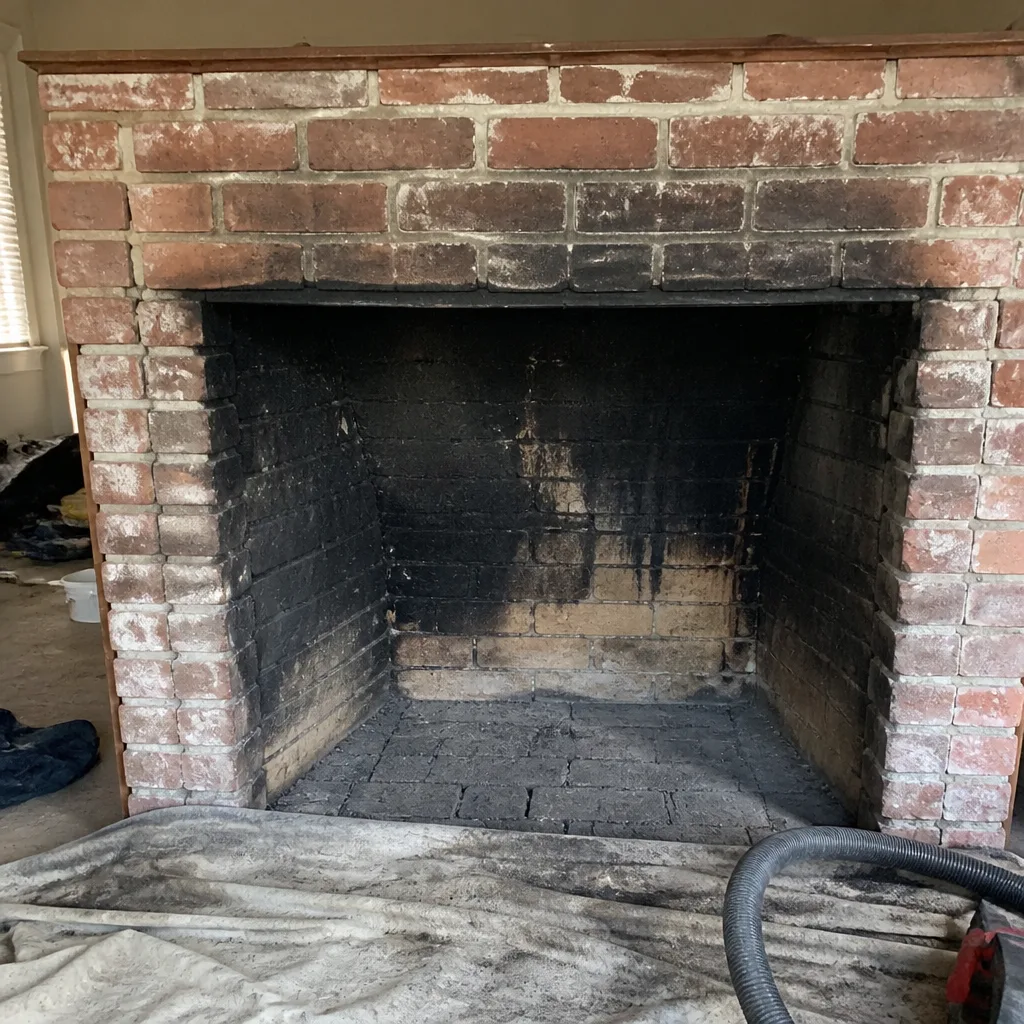
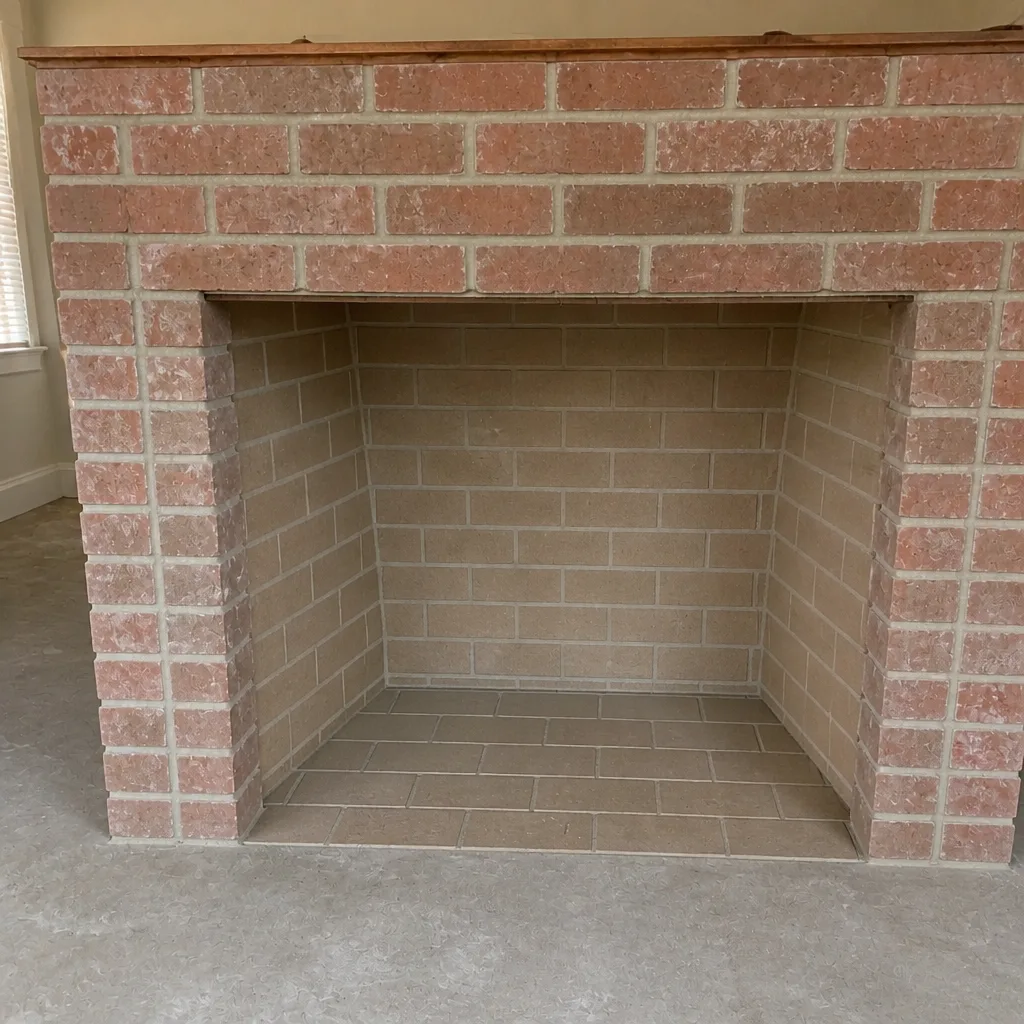
See the difference
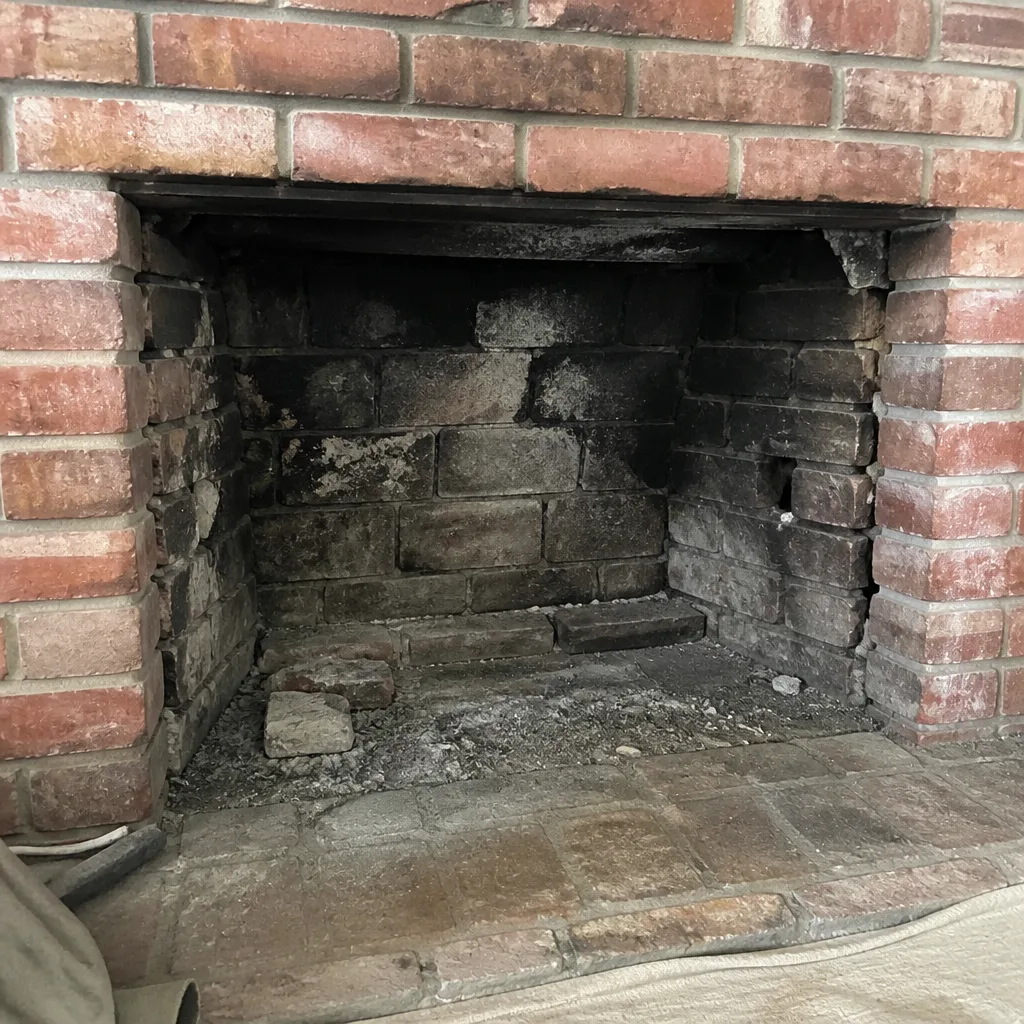 Before
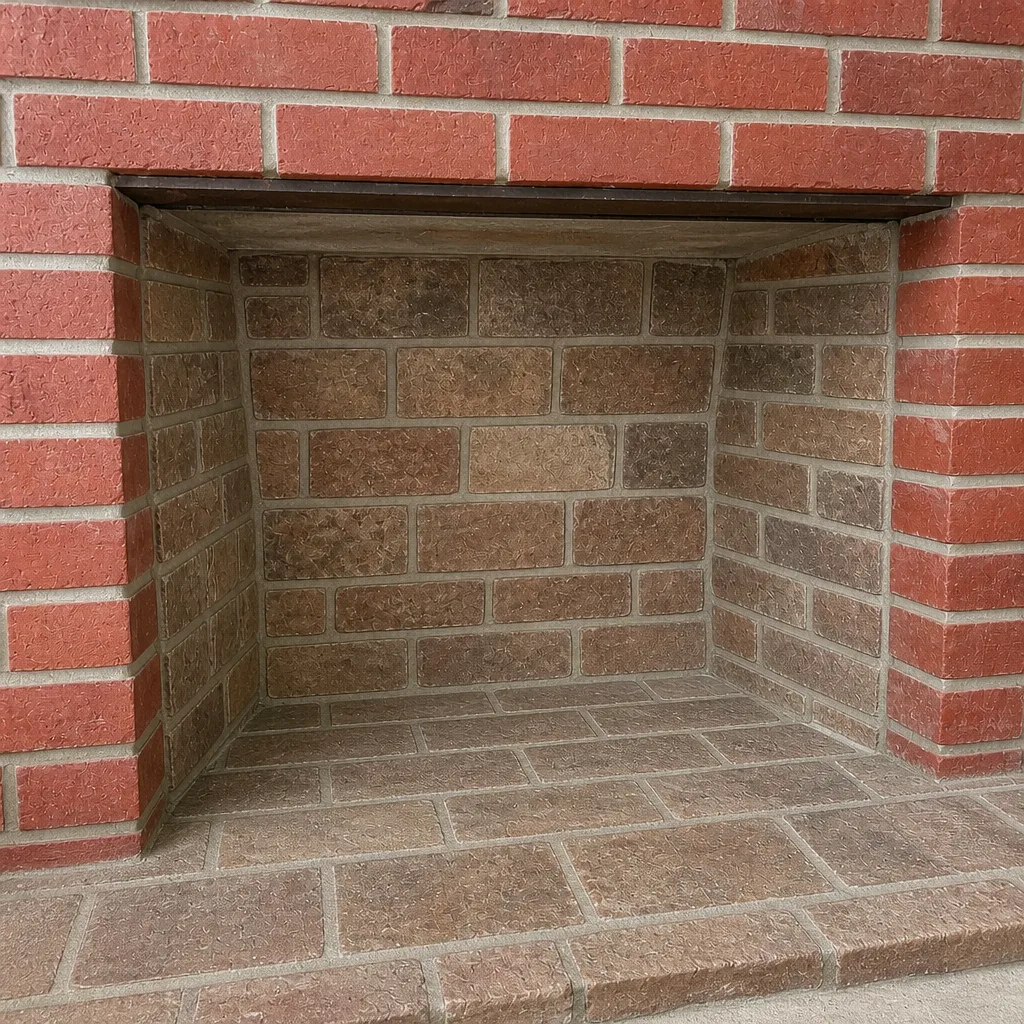 After
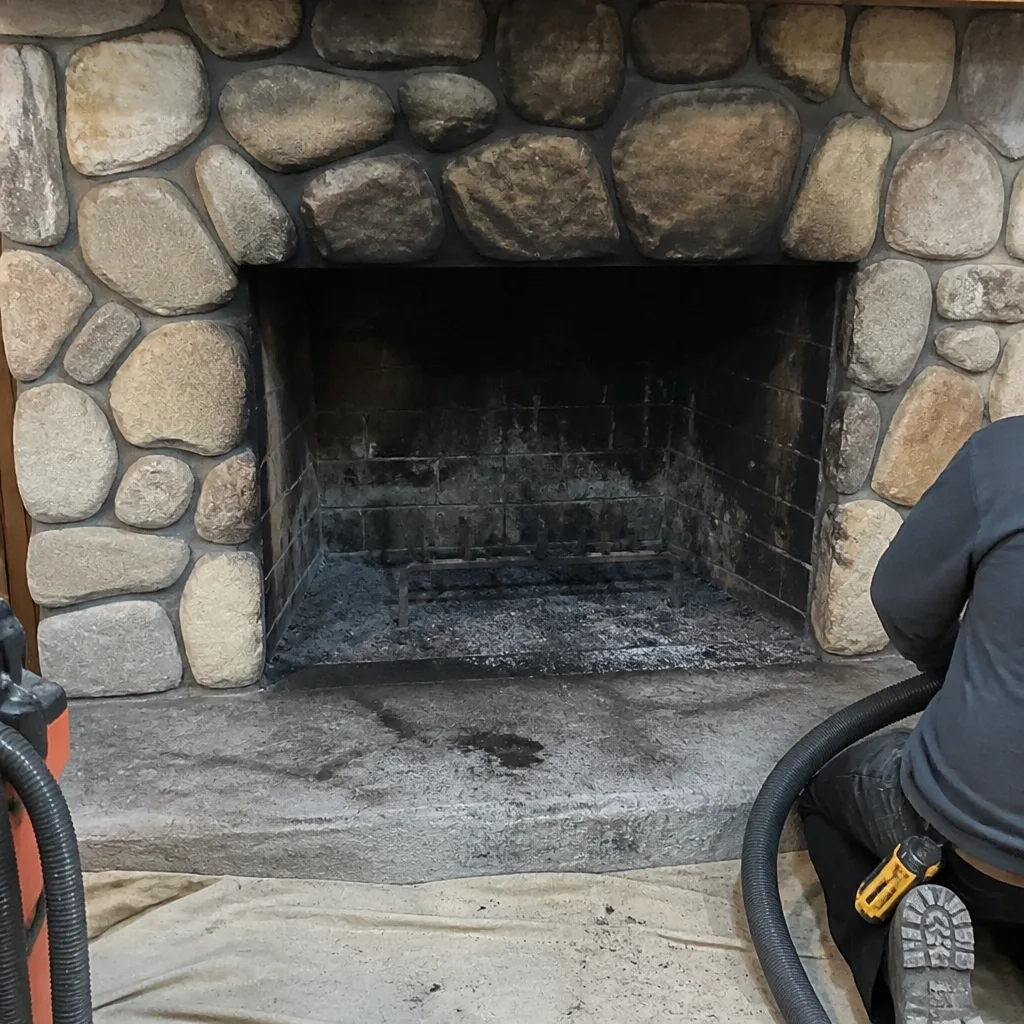 Before
 After
 Before
 After