
Last updated November 25, 2026
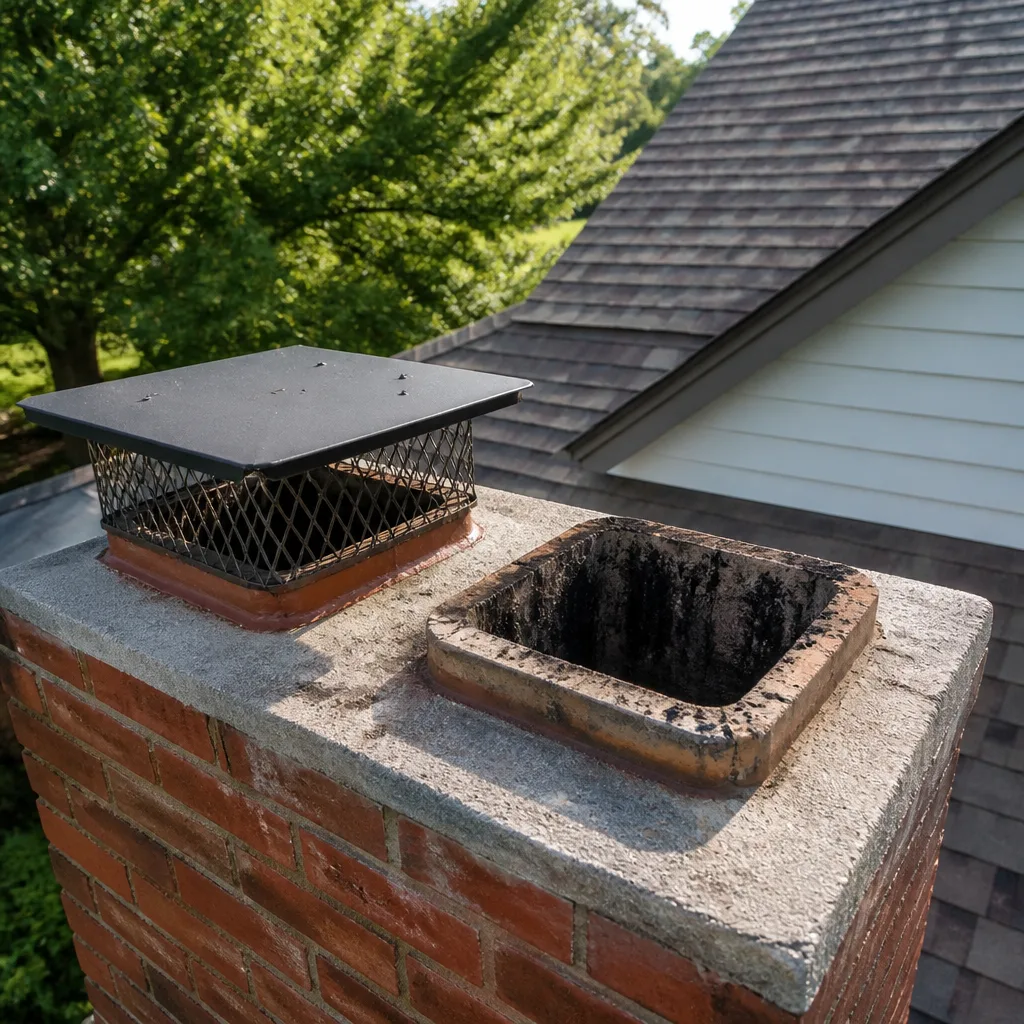 Sweep & inspection
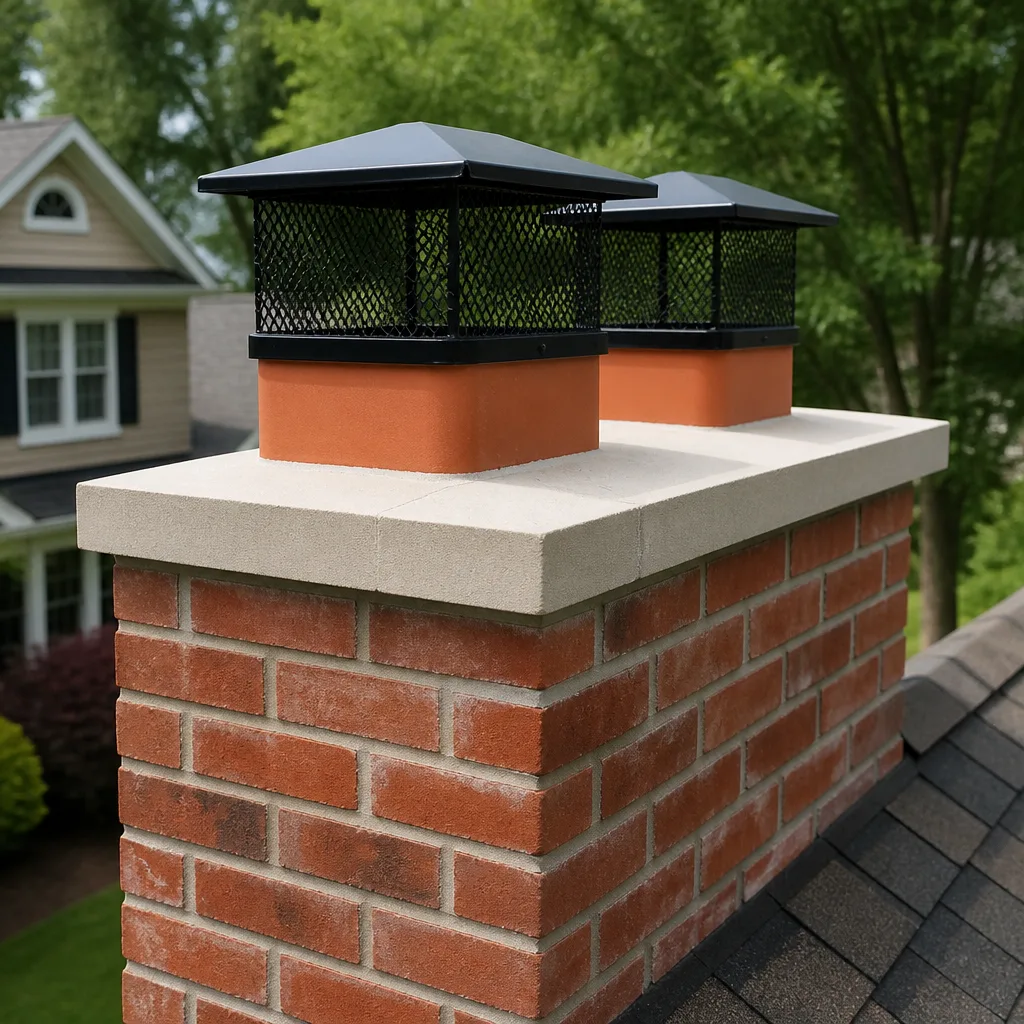 Caps & crowns
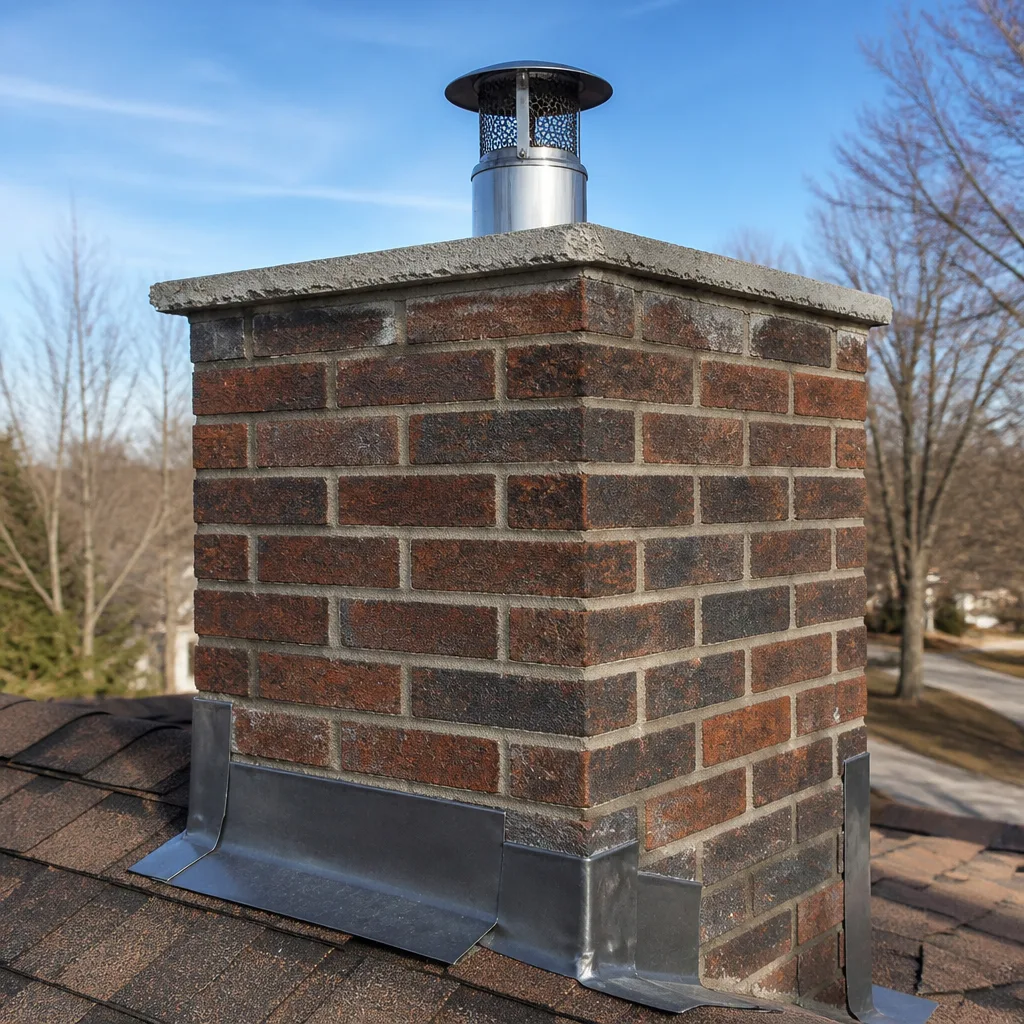 Flue relining
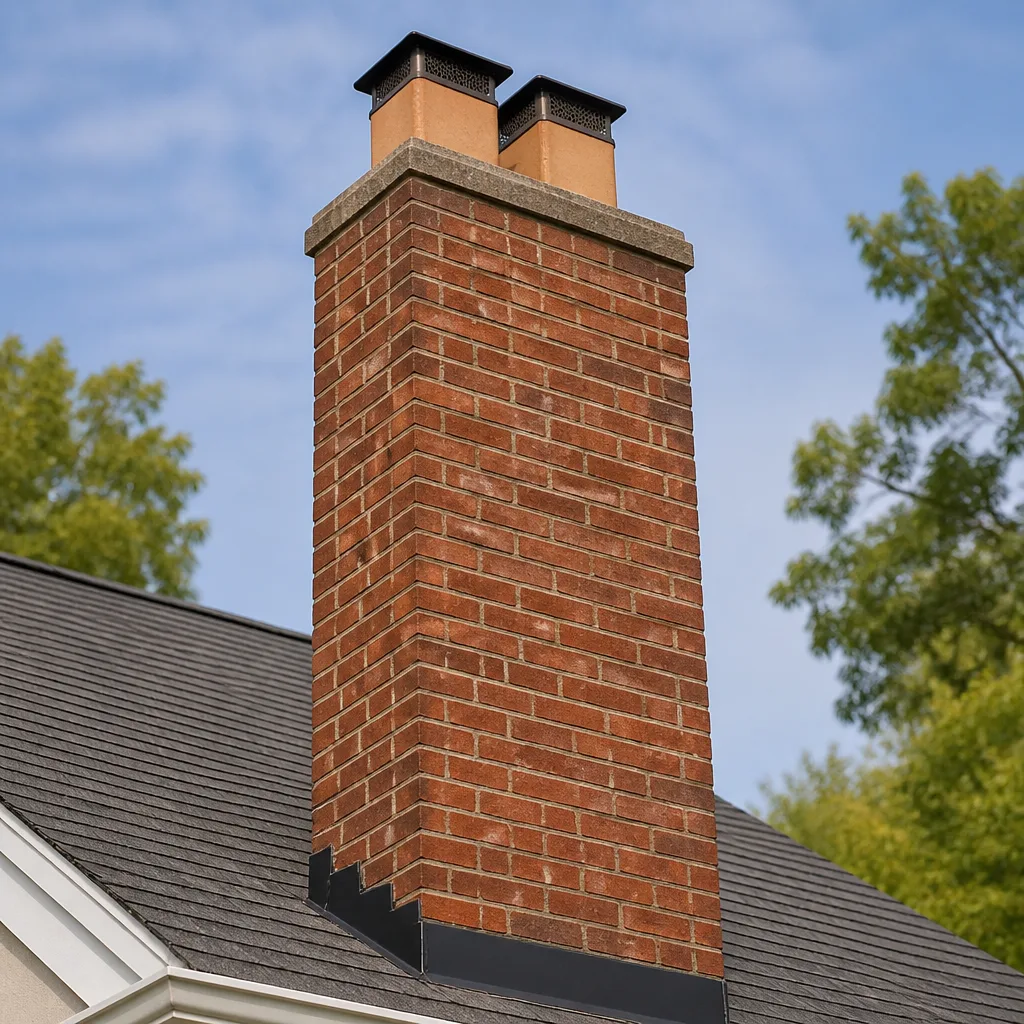 Masonry repair
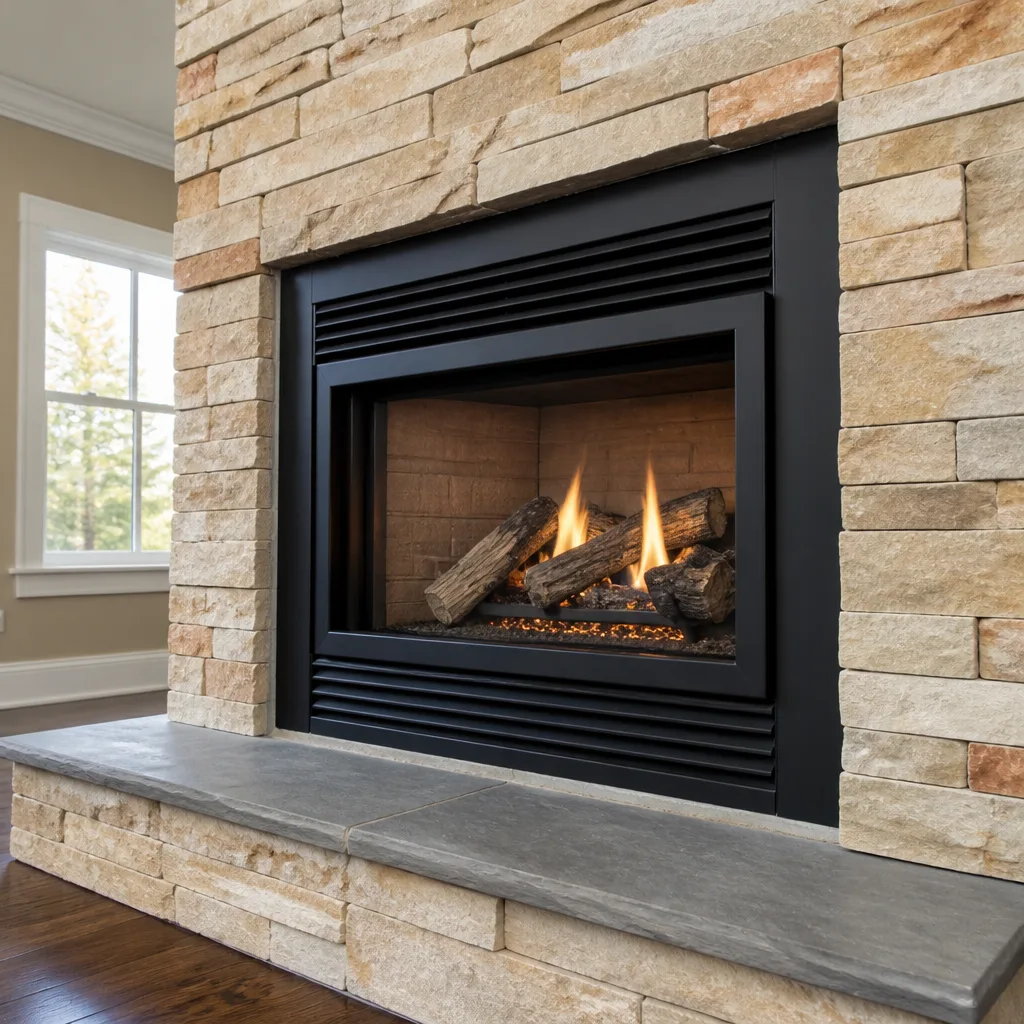 Gas fireplace service
Level 1 sweep and inspection to the NFPA 211 annual standard - flue, crown, cap, and flashing checked and photographed
Chimney sweep logs do not sweep chimneys. They loosen some creosote - which then falls where a brush and vacuum still have to collect it.
Chimney Sweep Maintenance Checklist for Anaheim Colony Homeowners
Most chimney maintenance checklists you’ll find online were written for climates where fireplaces run from October through April. In Anaheim Colony, your fireplace might run eight weekends a year, which means the checklist needs to reflect actual use, not assumed use. That gap matters more than it sounds. A chimney that sits idle through nine months of dry Southern California weather accumulates a different kind of wear than one burning daily through a cold winter: debris, nesting material, and slow masonry deterioration rather than heavy creosote loading. What follows is a task-by-task framework built for how chimneys here actually age, from a chimney-only specialist who sees the difference up close.
Quick Answer
An Anaheim Colony chimney maintenance checklist runs on a seasonal rhythm rather than a strict calendar: a pre-season debris and pest check before the first fire, a post-use inspection after your last burn of the year, and a professional sweep and inspection based on how much you actually burned. If you burn fewer than roughly a cord of wood a season, an annual professional sweep may be more often than you need, but a yearly inspection still catches the slow problems early. Homeowners can safely monitor and document; trained technicians handle anything involving the flue interior, the crown, or the liner.
Styles & brands we work with
- Sweep & inspection
- Caps & crowns
- Flue relining
- Masonry repair
- Gas fireplace service
Table of Contents
- Why an Anaheim Colony Checklist Is Different
- The Pre-Season Checklist
- Post-Use Inspection You Can Do Yourself
- What You Can Monitor vs. What Needs a Certified Sweep
- How to Document Chimney Condition Year Over Year
- Red-Flag Conditions That Should Stop All Fireplace Use
- Annual Task Reference Table
- When to Call a Professional
Why an Anaheim Colony Checklist Is Different
Anaheim Colony sits in a mild, dry climate with two features that shape chimney maintenance: a long dry season and the Santa Ana winds. Those winds are the single biggest local factor most generic checklists ignore. When sustained dry winds push through the region, they drive fine dust, palm fronds, seed pods, and dry leaf litter across rooftops and into chimney caps. Over a single season, that debris can pack the spark screen and stack on top of the damper.
A clogged cap or blocked flue isn’t just a draft problem. It reduces the pull your fireplace needs to vent smoke and carbon monoxide up and out. The blocked-flue scenario is one of the reasons carbon monoxide incidents happen in homes where nobody thought the chimney was in bad shape. Clearing it is simple; catching it before the first fire of the season is the point of a pre-season check.
The second local factor is nesting. Anaheim Colony’s dry season is prime time for birds and small animals to investigate an open or uncapped flue as a sheltered spot. A chimney that sat unused from spring to fall can hold a nest, twigs, or leaf matter by the time you’re ready to light the first fire. Burning without checking is how you get smoke backing into the living room, or worse, a blocked flue you don’t detect until it matters.
The third factor is use pattern. Many Anaheim Colony homeowners burn in short bursts during cool evenings and a handful of winter weekends rather than months of steady fire. Lighter use means slower creosote accumulation, but it does not mean no accumulation. Glazed creosote builds from repeated hot-then-cool cycles, and even a lightly used flue benefits from a periodic professional look. If you want the full picture of what a professional visit covers, our chimney sweep page walks through the process.
The Pre-Season Checklist
This is the list to work through before you light the first fire of the season. Do it in late fall, once the Santa Ana wind season has passed its peak but before the first cool evening you plan to burn.
- Look at the cap from the ground. Use binoculars if you have them. Check that the spark screen is intact, not bent, and clear of debris. A cap that’s clogged or missing is the most common pre-season problem we find in Anaheim Colony.
- Check the firebox for animal activity. Shine a flashlight up into the firebox and look for nesting material, droppings, or debris sitting on the damper. If you find any, stop and call a professional before burning.
- Open and close the damper. It should move freely. A damper that sticks, won’t fully open, or won’t seal closed is a repair, not a cleaning item.
- Look for visible cracks in the firebox brick and mortar. Hairline cracks in the mortar joints are common and often cosmetic, but a gap you can fit a coin into is a call-a-professional problem. Cracks can let heat and gases escape into the wall cavity.
- Confirm the smoke detector and carbon monoxide detector work. Test them, and note where they’re mounted. A CO detector belongs on every level of the home and near sleeping areas, not just in the room with the fireplace.
- Clear the roof around the chimney of leaf litter and debris. Keep the area immediately around the chimney base free of accumulated dry material. The chimney cap & crown are what protect that area from water intrusion, so check the crown for visible cracks too.
- Schedule a professional sweep if it’s due. If you’ve burned a meaningful amount of wood since your last sweep, book it now rather than waiting until you want to use the fireplace.
That’s the whole list, and none of it requires climbing on the roof. The items that do (the flue interior, the crown from above, the liner) get handled by a trained technician.
Post-Use Inspection You Can Do Yourself
Once the burning season is over and the fireplace has been cold for a couple of days, do a quick pass of the things you can see without tools. This is your own record of the year’s wear, and it’s the reference point that makes slow deterioration obvious.
- Firebox walls: Look for new cracks or spalling. A surface that’s flaking or powdering is worth flagging to a professional.
- Damper and throat: Check that no new creosote flaking is visible and the damper still seats closed.
- Smoke chamber: Shine a light up past the damper. Soot is normal; a heavy, glossy buildup is not.
- Cap from the ground: Confirm the screen is still intact after the windy season. A screen full of debris is the first thing to clear.
- Staining around the fireplace opening: Dark streaks on the wall above or around the fireplace can point to a draft or moisture issue. Note it.
- Rust or water marks in the firebox: Any sign of moisture intrusion after a rain means water is getting past the crown or cap. That’s a repair item, not a cleaning one.
Take a photo of each check with your phone and date it. This is exactly the kind of record a home inspector, a buyer, or a technician will ask to see. Our team at Chimney Sweep Anaheim Colony finds that documented history is the fastest way to separate a maintenance item from a real concern.
What You Can Monitor vs. What Needs a Certified Sweep
The clearest line in chimney maintenance runs between what you can safely observe and what a trained technician has to handle. Homeowners underestimate this line in one direction and overestimate it in the other: they ignore obvious warning signs, then worry about things that don’t matter.
Homeowner-safe monitoring items
- Visual inspection of the firebox, firebox brick, and mortar joints
- Operating and checking the damper
- Confirming the cap is clear and the screen intact from the ground
- Testing smoke and CO detectors
- Photographing and noting annual condition changes
- Clearing leaf litter from the roof around the chimney base
Professional-only tasks
- Sweeping the flue interior, which requires the right brushes and safe roof access
- Evaluating the flue liner for cracks, gaps, or deterioration
- Inspecting the crown and the masonry above the roofline
- Assessing creosote condition (including glazed creosote removal)
- Anything that requires opening interior wall or ceiling access
- Liner restoration or replacement
At the top of that professional list sits the flue liner, and that’s the component that most affects your safety. A liner that’s cracked or missing allows heat and combustion gases to escape directly into the wood framing of the house, which is how chimney fires start. This is also why taking a careful look at the chimney’s condition belongs in the hands of someone whose only job is chimney work. Our team brings up to 10 years of technician experience to the flue inspection, and we do it with the equipment the job actually needs rather than the brushes a general handyman uses.
How to Document Chimney Condition Year Over Year
Chimneys deteriorate slowly. The reason a maintenance checklist matters is that the slow stuff – a hairline crack that widens over three years, a crown that chips a little each winter, mortar that softens where water pools – is invisible year to year in your memory but obvious in a written record. A few minutes each year gives you that record.
- Keep a simple log. A notebook or a spreadsheet: date, what you checked, what you found, what was done. One row per year is enough for a lightly used fireplace.
- Photograph at the same angles every year. The firebox walls, the crown from the ground or from a shared photo, and the damper. Consistent angles are what let you compare.
- Save the professional inspection report. When we inspect, we document what we find with photos and a written condition assessment. Keep those alongside your own log. Any inspection the local pro performs is written to the same standard you’d expect when a home changes hands.
- Note the year’s usage. A rough count of burns, or the number of cords you went through, tells the next technician what to expect before opening the flue.
- Flag repairs you defer. If a technician tells you a repair can safely wait a season or two, write down what it was and when it should be revisited. Deferred isn’t forgotten.
This record pays off most when you sell. Buyers and their inspectors ask for the last inspection report and evidence of annual maintenance. A clean, dated log tells them the chimney was looked after. There’s no need to guess at what a buyer will want to see; our Chimney Sweep Anaheim Colony service page covers how inspections and reports work for both sides of a transaction.
Red-Flag Conditions That Should Stop All Fireplace Use
Some warning signs mean stop burning now. Not “schedule a sweep when convenient,” not “keep an eye on it.” A few specific conditions are the ones where the risk of carbon monoxide or a chimney fire is real enough that the fire should go out until a professional has looked. The National Fire Protection Association’s standard, NFPA 211, sets the baseline for what a safe chimney should be, and the conditions below are the ones that fail it.
- Smoke backing into the room. If smoke rolls out of the fireplace opening rather than going up, the flue is blocked or the draft is compromised. Stop, open a window, and get everyone out of the room. Do not try to burn it open.
- A smell of smoke in the house when the fireplace is not lit. This can point to a blocked cap or a failing liner. It’s worth a call.
- Visible creosote buildup, especially glazed, tar-like creosote. Glazed creosote is the most flammable form and needs to be professionally removed. It is not a do-it-yourself sweep.
- Cracks or gaps in the firebox, or separation from the surrounding wall. This can let fire and gases into the structure of the house.
- Carbon monoxide detector sounding or reading. Leave the house and call for help before anything else. Then call a chimney professional to find the source.
- A chimney fire has happened. Even a small one can damage the liner in ways you cannot see. Do not relight until inspected.
- Discoloration, blistering, or a “spongy” feel in the wall around the fireplace. This may indicate heat getting to framing. Stop burning.
If you’re unsure whether something is a red flag, treat it as one until you talk to someone. We don’t charge for a phone conversation, and we’d rather tell you a chimney is fine than have you burn in an unsafe one.
Annual Task Reference Table
Here’s the whole checklist in one view, sized to Anaheim Colony use. The “who” column is the key: tasks marked you are safe homeowner monitoring; tasks marked pro need a trained chimney technician.
| Task | When | Who |
|---|---|---|
| Visual cap and screen check from ground | Before first burn of season | You |
| Firebox, damper, and smoke detector/CO check | Before first burn | You |
| Proof of nesting or debris in flue | Before first burn | You, then pro if found |
| Professional sweep (if meaningful wood use) | Annually, or as needed | Pro |
| Flue and liner inspection | Annually | Pro |
| Crown and cap inspection | Annually | Pro |
| Post-use firebox and damper inspection | After last burn | You |
| Photo log and inspection report update | Both seasons | You |
If you use the fireplace more heavily than a few weekends a year, or if you’ve moved to a home where you don’t know when the chimney was last serviced, treat the professional sweep and inspection as an immediate item rather than an annual one. Our team at Chimney Sweep Anaheim Colony works with industry-recognized liner materials, including HeatShield for liner resurfacing and DuraFlex for flexible liner systems, so if an inspection does turn up a liner issue, the fix can be handled in the same visit cycle rather than sourcing another contractor.
Common Mistakes to Avoid
- Skipping the pre-season check because the fireplace was fine last year. The most common Anaheim Colony issue is wind-blown debris in the cap after a windy season. Last year’s condition says nothing about this year’s.
- Burning just to “clear out” a blocked or smoky chimney. A blocked flue doesn’t clear itself; a fire only pushes more smoke and carbon monoxide back into the room. Stop and call.
- Treating a “quick glance” as an inspection. A visible look at the firebox is not a flue inspection. Anyone telling you otherwise hasn’t looked up the flue.
- Assuming light use means no maintenance. A lightly used chimney still collects creosote and can still be blocked by nesting material or debris. Frequency can be lower; skipping the annual inspection is not.
- Watching for chimney problems only during the burning season. The Santa Ana season and the dry summer are when the debris and pest activity happen; the pre-season check is how you catch it before you burn.
- Not keeping a record. Without a photo log or an inspection report, a slow crack or a crown that chips a little each year goes unnoticed until it’s a repair instead of maintenance.
- Hiring a generalist to sweep. A chimney is a single system that needs a single-trade specialist, not a handyman whose checklist was written for a different trade.
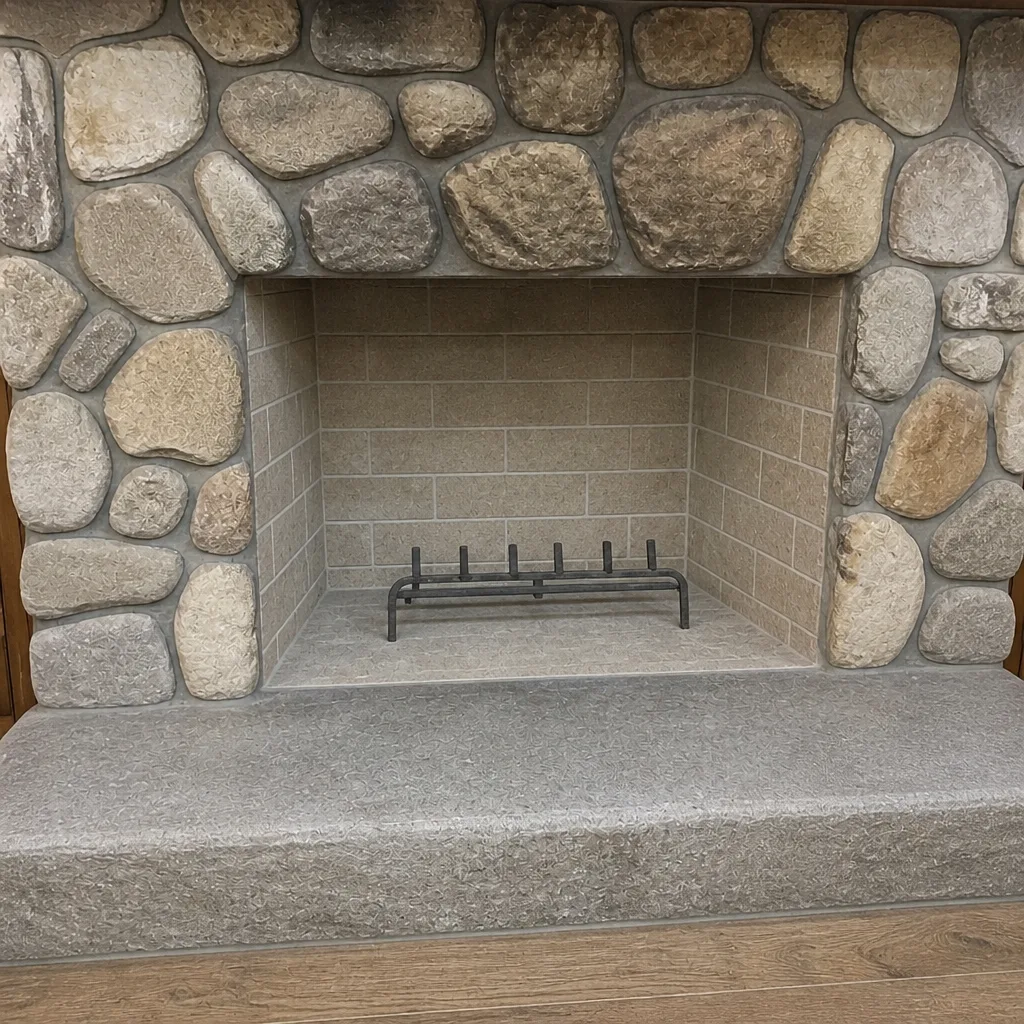
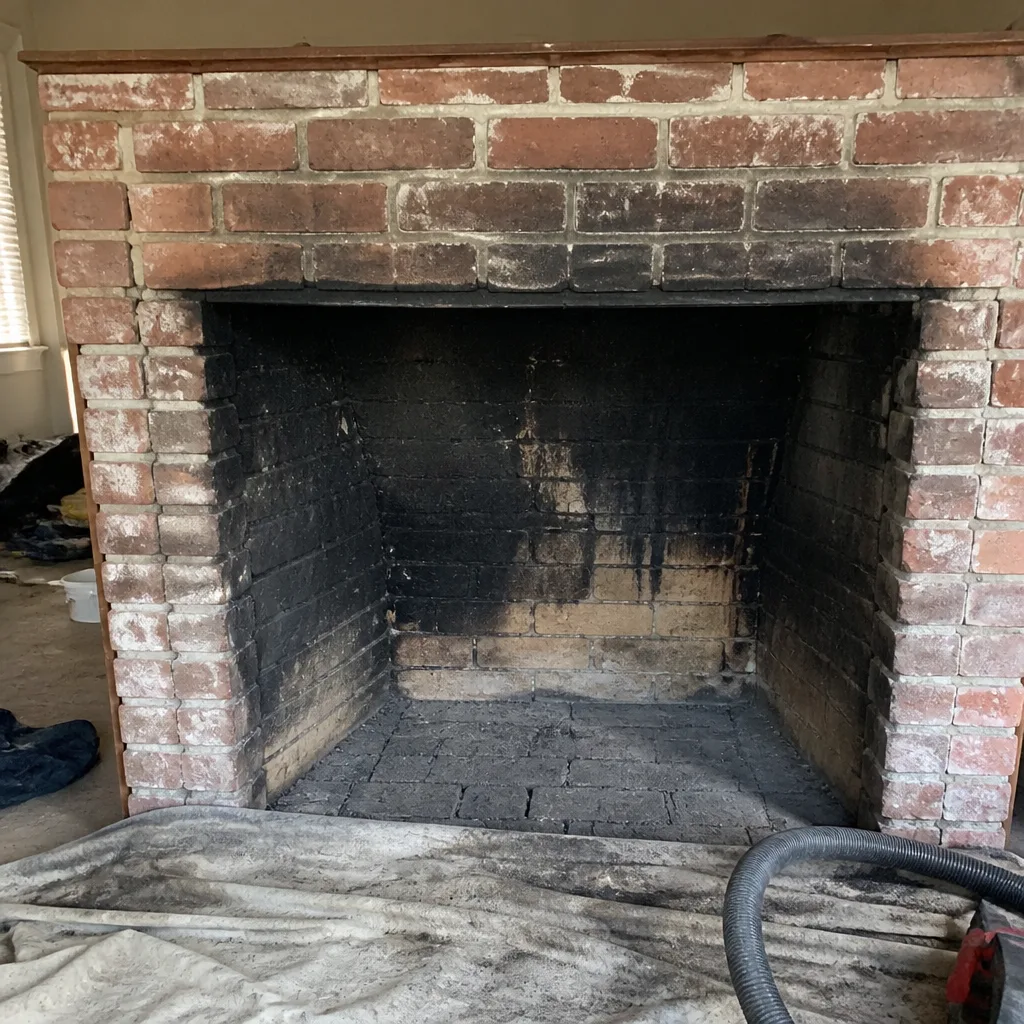
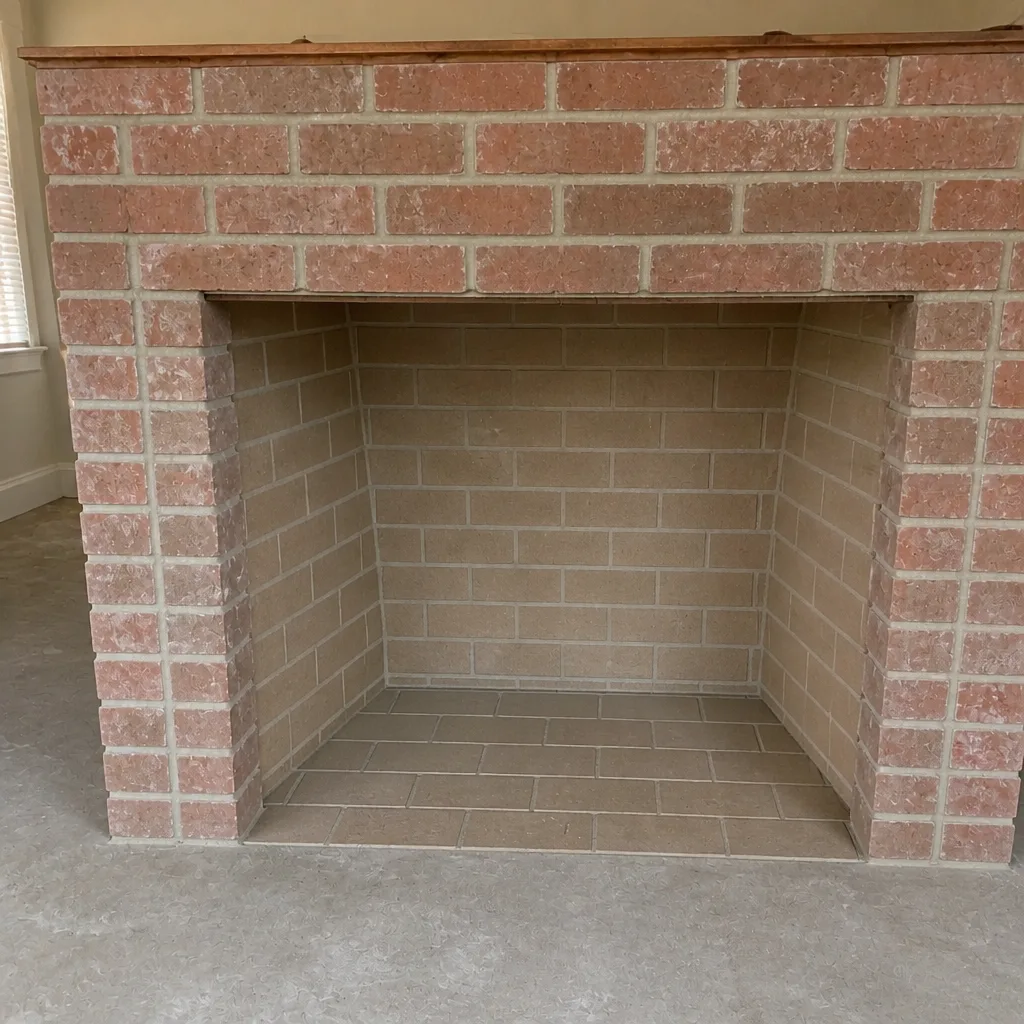
See the difference
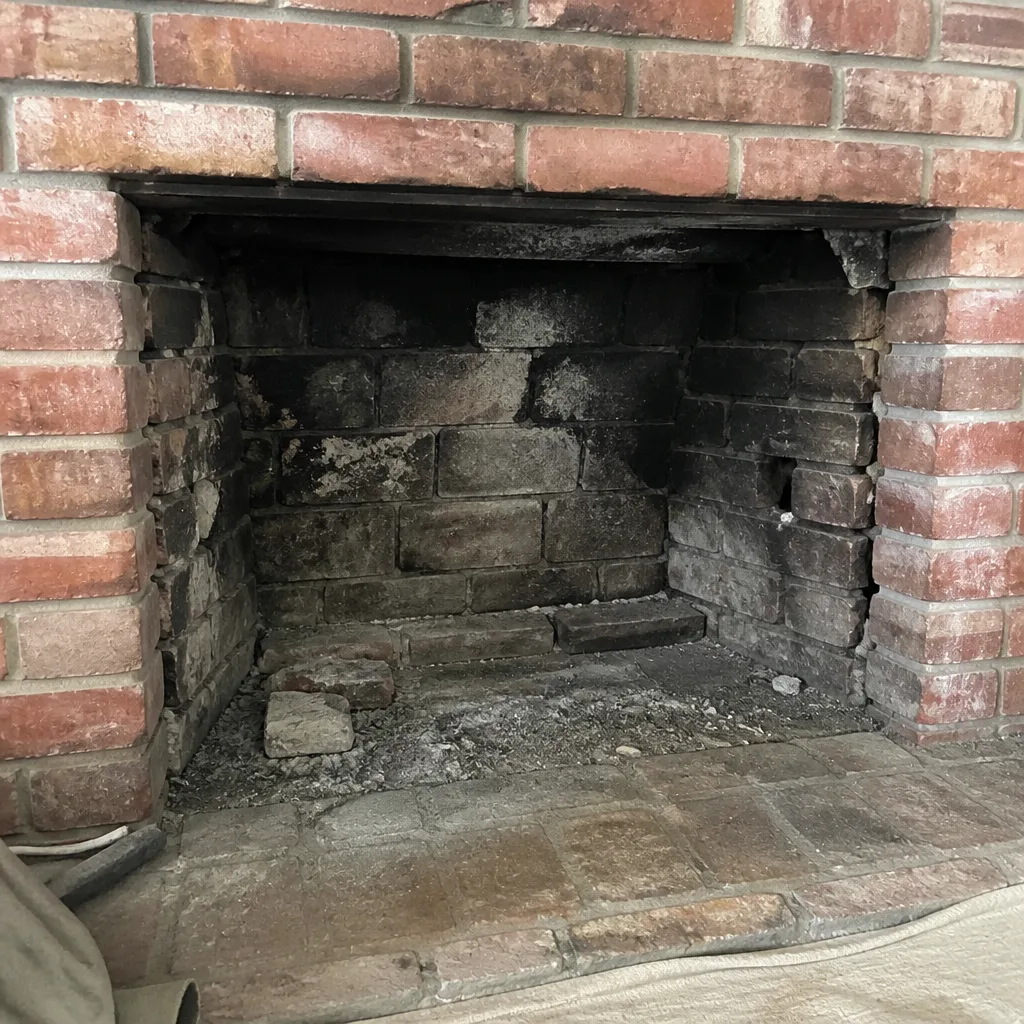 Before
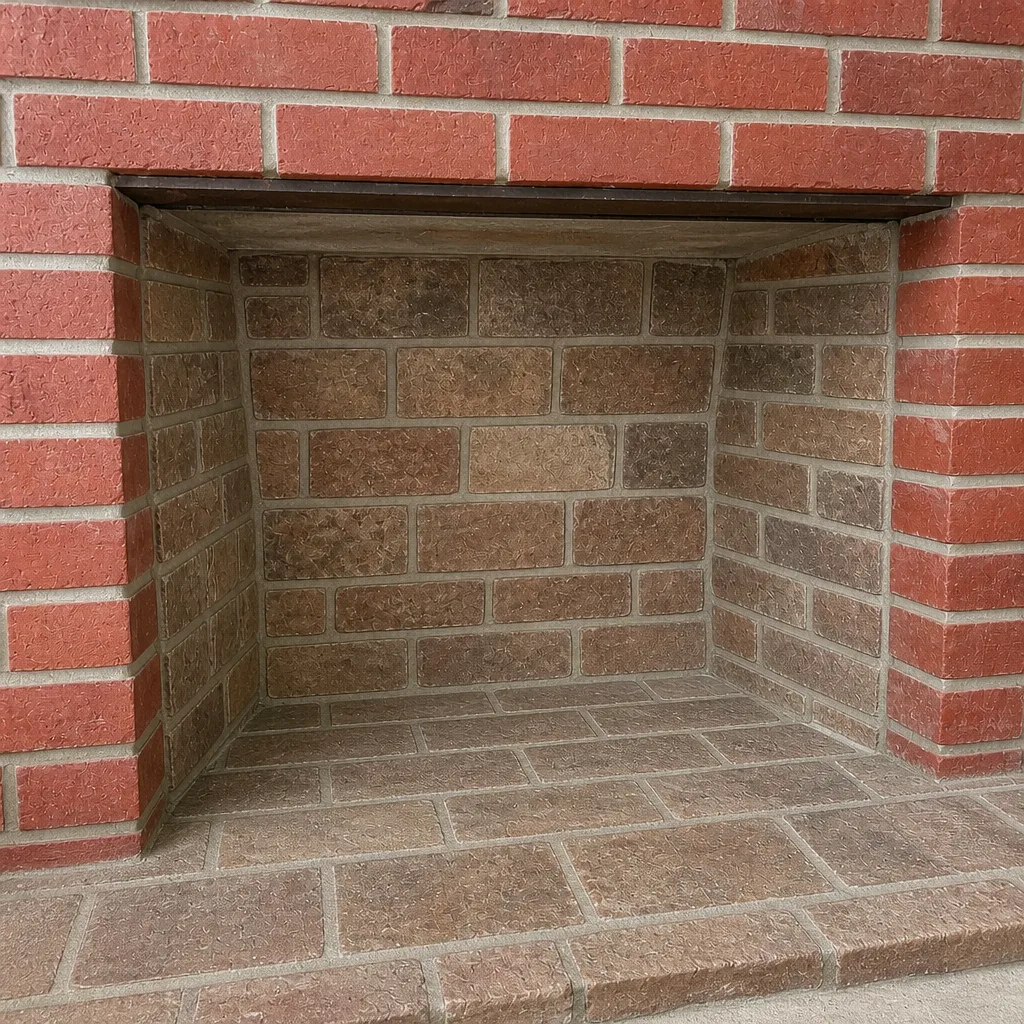 After
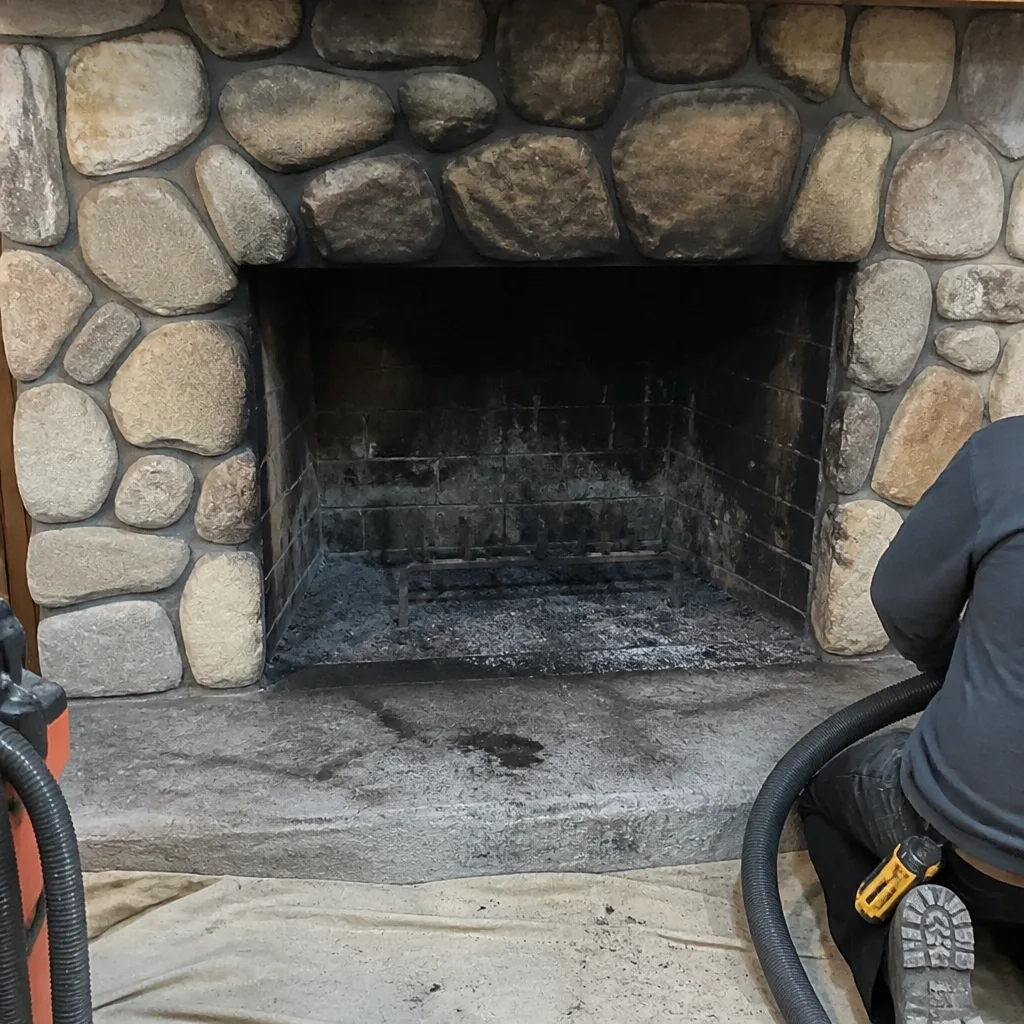 Before
 After
 Before
 After
When to Call a Professional
Call a professional when you find any of the red-flag conditions above, when it’s been more than a year since a full inspection, when you’re buying or selling a home and need a credible inspection report, or when you’ve moved into a place and don’t know the chimney’s history. Also call if you simply want to know whether the sweep is due, because a properly trained technician can tell you that in minutes and you can plan the work from there. Chimney Sweep Anaheim Colony offers free estimates in Anaheim Colony and can be reached at (833) 482-6032. We answer 24/7, with fast dispatch from 7am to 7pm, Sunday through Friday.
Frequently Asked Questions
Sweep frequency depends on how much wood you burn, not on the calendar alone. A home burning a handful of evenings a season may not need an annual sweep, though an annual inspection still makes sense; a home burning throughout the winter usually needs it yearly. Call (833) 482-6032 for an exact recommendation based on your use – estimates are free.
No. A fireplace can seem fine while a crown chip or a hairline liner crack is slowly getting worse, and those are exactly the problems a look from the ground can’t reveal. An annual inspection is the low-cost way to catch them early. Call (833) 482-6032 to book one – estimates are free.
Most checklists are written for cold climates with long, heavy burning seasons. A chimney here often sits idle for months of dry weather, which means wind-blown debris and pest activity matter more than constant creosote buildup. Your maintenance focus shifts toward pre-season clearing and annual inspection rather than heavy cleaning. Call (833) 482-6032 to talk through your specific setup – estimates are free.
Yes. The dry winds drive dust, seed pods, palm fronds, and leaf litter into open chimney caps and screens, and that debris can block the flue. Clearing the cap before the first fire of the season is the single most important local pre-season step. Call (833) 482-6032 if you’re not sure your cap is clear – estimates are free.
Smoke rolling into the room, a CO detector sounding, visible glazed creosote, cracked or separated firebox masonry, or staining and heat damage on the wall around the fireplace. Any of these means the fire goes out until a professional inspects. Call (833) 482-6032 – we answer 24/7.
Not every liner needs replacing. A deteriorated liner can sometimes be restored with HeatShield resurfacing, which extends its life and avoids a full replacement; a badly damaged flue may need a new DuraFlex flexible liner system. Only a physical inspection can tell you which applies, and any recommendation should come with photos of what was found. Call (833) 482-6032 for an honest inspection – estimates are free.
The Bottom Line
A good Anaheim Colony chimney checklist has less to do with winter and more to do with the local rhythm of dry seasons, wind-blown debris, and short bursts of burning. Check before the first fire, check again after the last one, keep a simple photo log, and have a professional inspection done every year – even if you think you can skip it. The steps you can safely handle are small; the ones that matter most (the flue, the liner, the crown) belong to a trained specialist. For a chimney-only team that handles the sweep and any repair in one call, with name-brand materials and an honest inspection whether you need repair or not, call (833) 482-6032 for a free estimate.
Written by the team at Chimney Sweep Anaheim Colony.